What does Exodus 17:4 mean?
“And Moses cried unto the LORD, saying, What shall I do unto this people? they be almost ready to stone me.” — Exodus 17:4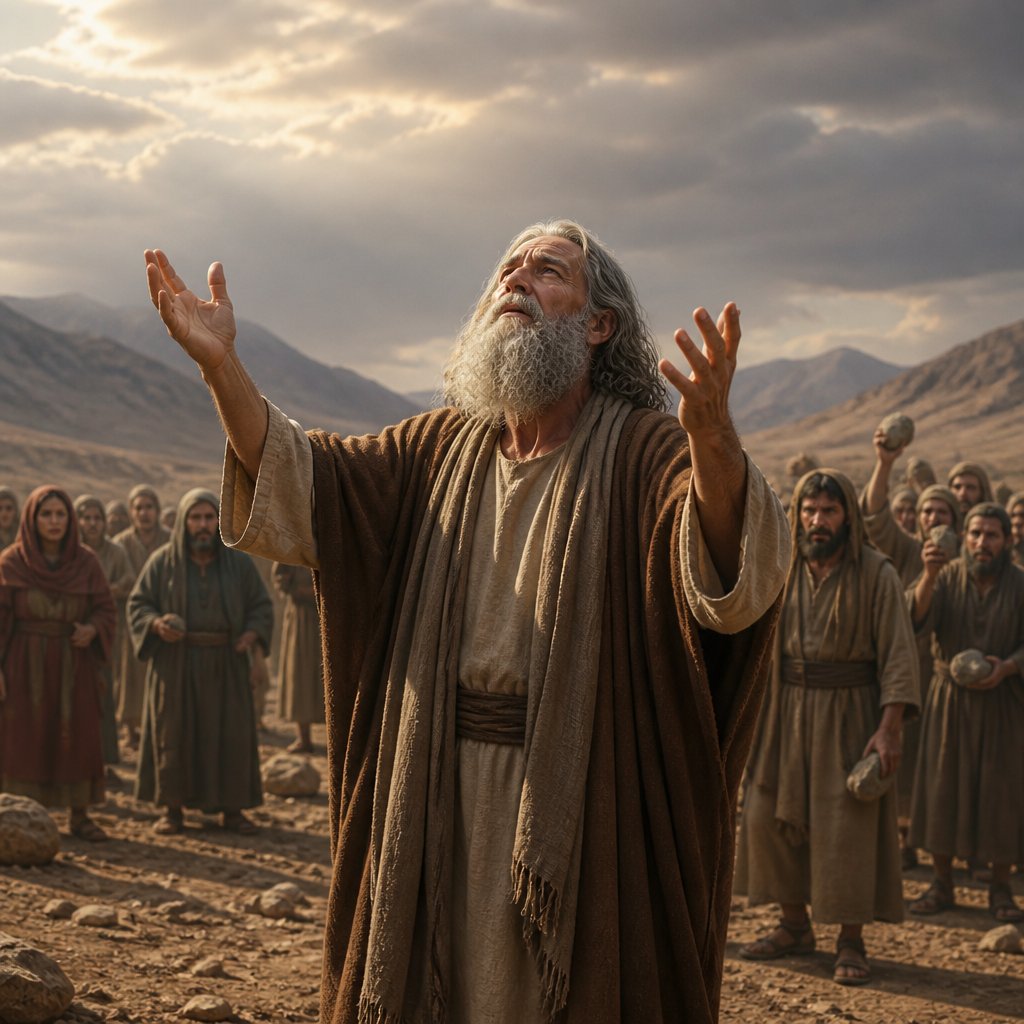
Exodus 17:4 in the King James Version of the Bible reads: "And Moses cried unto the Lord, saying, What shall I do unto this people? they be almost ready to stone me."
This verse comes from the book of Exodus in the Old Testament and is part of the larger narrative of the Israelites' journey from Egypt to the Promised Land. In this particular passage, the Israelites are becoming increasingly desperate due to their lack of water and are turning against their leader, Moses.
The context of this verse is important for understanding its significance. The Israelites had just been delivered from slavery in Egypt through a series of miraculous events, including the parting of the Red Sea. Yet, despite God's provision and protection, they continued to grumble and question whether God was truly with them. In this instance, they were facing a water crisis and were ready to stone Moses out of frustration and anger.
Moses, in turn, cries out to the Lord for guidance and help, expressing both his own desperation and the gravity of the situation. This verse highlights the intense pressure and burden that Moses carried as the leader of the Israelites. He was caught between a rebellious and anxious people and a God who had demonstrated Himself to be faithful, yet the people, in their fear and impatience, were turning against Him.
This verse also reveals the deep spiritual and emotional struggle of Moses. Despite being chosen by God and witness to His miraculous power, Moses faced constant opposition and doubt from the people he was leading. This burden led him to his breaking point, and he turned to God for guidance and help.
There are several important themes and lessons that can be drawn from Exodus 17:4. One of the primary themes is the testing of faith. The Israelites had experienced God's deliverance and provision, yet they quickly forgot His faithfulness and succumbed to fear and doubt. Their reaction to the water crisis reveals their lack of trust in God and His plan for their lives. This serves as a cautionary tale about the dangers of allowing fear and impatience to override faith and trust in God.
Another theme is the nature of leadership. Moses' cry to the Lord shows the weight and responsibility that comes with leading God's people. Despite having a close relationship with God and being obedient to His commands, Moses faced opposition and threats from those he was called to lead. This serves as a reminder of the challenges and sacrifices that come with leadership, especially in the context of guiding others in their faith journey.
Symbolically, the water crisis can be seen as a metaphor for life's difficulties and challenges. Just as the Israelites faced a literal thirst in the wilderness, people today experience spiritual thirst and long for fulfillment and purpose. The Israelites' response to their predicament serves as a cautionary tale about the dangers of allowing fear and doubt to lead to rebellion and distrust in God.
In conclusion, Exodus 17:4 is a powerful and thought-provoking verse that conveys important lessons about faith, leadership, and the human struggle. It serves as a reminder of the importance of trusting in God's faithfulness and remaining steadfast in the face of adversity. It also provides insight into the challenges and burdens that come with leadership and the need for reliance on God for guidance and strength. Ultimately, this verse challenges believers to examine their own faith and trust in God, especially when facing difficult circumstances.
Get our apps


Artwork for Exodus 17:4

Exodus 17:4 - "And Moses cried unto the LORD, saying, What shall I do unto this people? they be almost ready to stone me."
"And Moses cried unto the LORD, saying, What shall I do unto this people? they be almost ready to stone me." - Exodus 17:4

Exodus 4:17 - "And thou shalt take this rod in thine hand, wherewith thou shalt do signs."
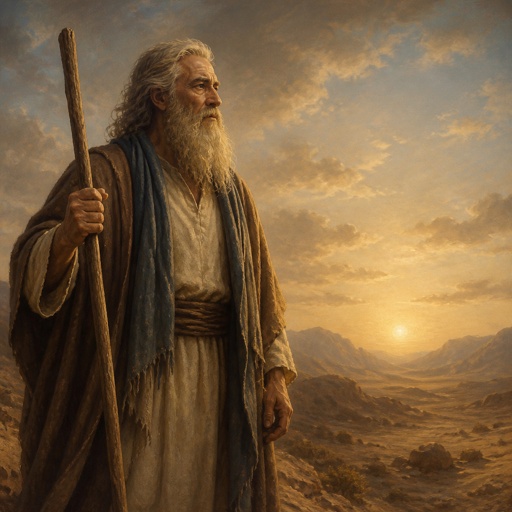
"And thou shalt take this rod in thine hand, wherewith thou shalt do signs." - Exodus 4:17
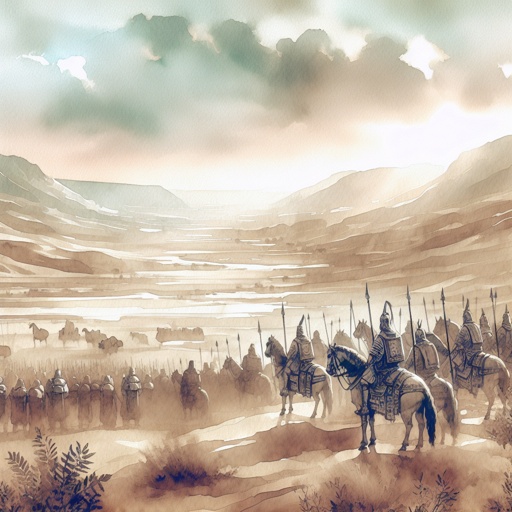
Exodus 17:10

Exodus 17:11

Exodus 17:6

Exodus 17:3

Exodus 17:3

Exodus 17:6

Exodus 17:6

Exodus 24:17

Exodus 17:6

Exodus 30:17 - "¶ And the LORD spake unto Moses, saying,"

Exodus 17:8 - "¶ Then came Amalek, and fought with Israel in Rephidim."

Exodus 13:17-14:29

Exodus 6:17 - "The sons of Gershon; Libni, and Shimi, according to their families."

Exodus 34:17 - "Thou shalt make thee no molten gods."

Exodus 17:15 - "And Moses built an altar, and called the name of it Jehovah-nissi:"

Exodus 17:13 - "And Joshua discomfited Amalek and his people with the edge of the sword."

Exodus 23:4

Exodus 28:4

Exodus 28:4

Exodus 35:17 - "The hangings of the court, his pillars, and their sockets, and the hanging for the door of the court,"

Exodus 28:4

Exodus 28:4

Exodus 24:4

Exodus 23:4

Exodus 16:17 - "And the children of Israel did so, and gathered, some more, some less."

Exodus 39:17 - "And they put the two wreathen chains of gold in the two rings on the ends of the breastplate."