What does Exodus 21:17 mean?
“And he that curseth his father, or his mother, shall surely be put to death.” — Exodus 21:17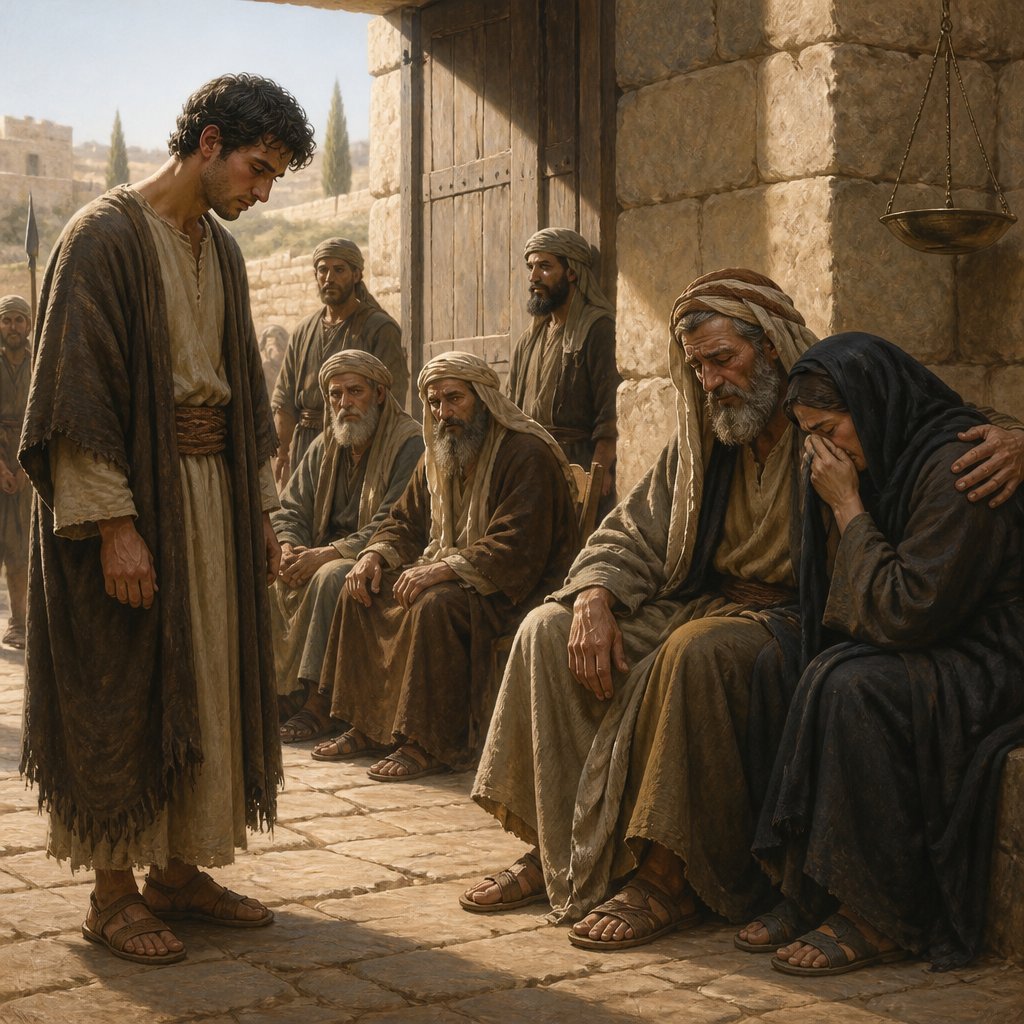
Exodus 21:17 in the King James Version of the Bible states, "And he that curseth his father, or his mother, shall surely be put to death." This verse is part of a larger passage that outlines the laws and regulations for Israelite society, particularly in regards to interpersonal relationships and the consequences for disobedience or harm caused to others. This particular verse specifically addresses the severity of disrespect and dishonor towards one's parents, highlighting the importance of familial relationships within the community and the consequences of undermining them.
The theme of respect for authority figures, particularly parents, is a central theme in this verse. The Bible places great significance on the family unit and the role of parents as authority figures. The commandment to honor one's father and mother is reiterated throughout the Bible, and Exodus 21:17 emphasizes the seriousness of violating this commandment. The verse serves as a reminder of the importance of maintaining respect and honor towards one's parents, and the severe punishment for those who disregard this fundamental principle.
In the context of ancient Israelite society, filial piety and respect for parents was considered a core value. The family structure was the foundation of the community, and the authority of parents was paramount in maintaining social order and cohesion. Disobeying or dishonoring one's parents was seen as a direct challenge to the established social and moral order, and was therefore met with severe consequences. Exodus 21:17 reflects the strict legal and moral code of conduct that governed Israelite society, highlighting the value placed on familial relationships and the expectation of honoring and respecting one's parents.
Symbolically, the verse also represents the broader biblical principles of honor, obedience, and the importance of maintaining healthy and respectful relationships within the community. The commandment to honor one's parents is a reflection of the divine order and the importance of recognizing and respecting authority. Disrespect towards one's parents is seen as a sin not only against one's parents, but also against the divine order established by God. The severity of the punishment outlined in the verse serves as a deterrent for disobedience and a reinforcement of the importance of honoring one's parents.
While the literal interpretation of Exodus 21:17 may seem harsh in modern times, it is important to understand it within the context of the cultural and legal norms of ancient Israelite society. The verse serves as a reminder of the significance of honoring and respecting one's parents, and the broader biblical principles of obedience, respect, and the importance of maintaining healthy and respectful relationships within the community. It also emphasizes the importance of maintaining the divine order established by God, and the severity of the consequences for challenging that order. Overall, Exodus 21:17 conveys a profound message about the value of familial relationships and the significance of honoring one's parents in the eyes of God and society.
Get our apps


Artwork for Exodus 21:17

Exodus 21:17 - "¶ And he that curseth his father, or his mother, shall surely be put to death."
"¶ And he that curseth his father, or his mother, shall surely be put to death." - Exodus 21:17

1 Timothy 2:1-7

1 Timothy 2:1-7

Exodus 14: 21

Exodus 14: 21

Exodus 15:21
Exodus 17:10

Exodus 17:11

Exodus 17:6

Exodus 17:3

Exodus 17:3

Exodus 17:6

Exodus 17:6

Exodus 24:17

Exodus 17:6

Exodus 21:21 - "Notwithstanding, if he continue a day or two, he shall not be punished: for he is his money."

Exodus 27:19-21

John 21:17

Genesis 17-21

Genesis 21-17

Exodus 6:21 - "¶ And the sons of Izhar; Korah, and Nepheg, and Zichri."

Exodus 30:17 - "¶ And the LORD spake unto Moses, saying,"

Exodus 17:8 - "¶ Then came Amalek, and fought with Israel in Rephidim."

Exodus 21:25 - "Burning for burning, wound for wound, stripe for stripe."

Exodus 13:17-14:29

Matthew 17:14-21

Exodus 6:17 - "The sons of Gershon; Libni, and Shimi, according to their families."

Exodus 34:17 - "Thou shalt make thee no molten gods."

The Plague of Darkness - Exodus 10:21-29