What does Exodus 21:2 mean?
“If thou buy an Hebrew servant, six years he shall serve: and in the seventh he shall go out free for nothing.” — Exodus 21:2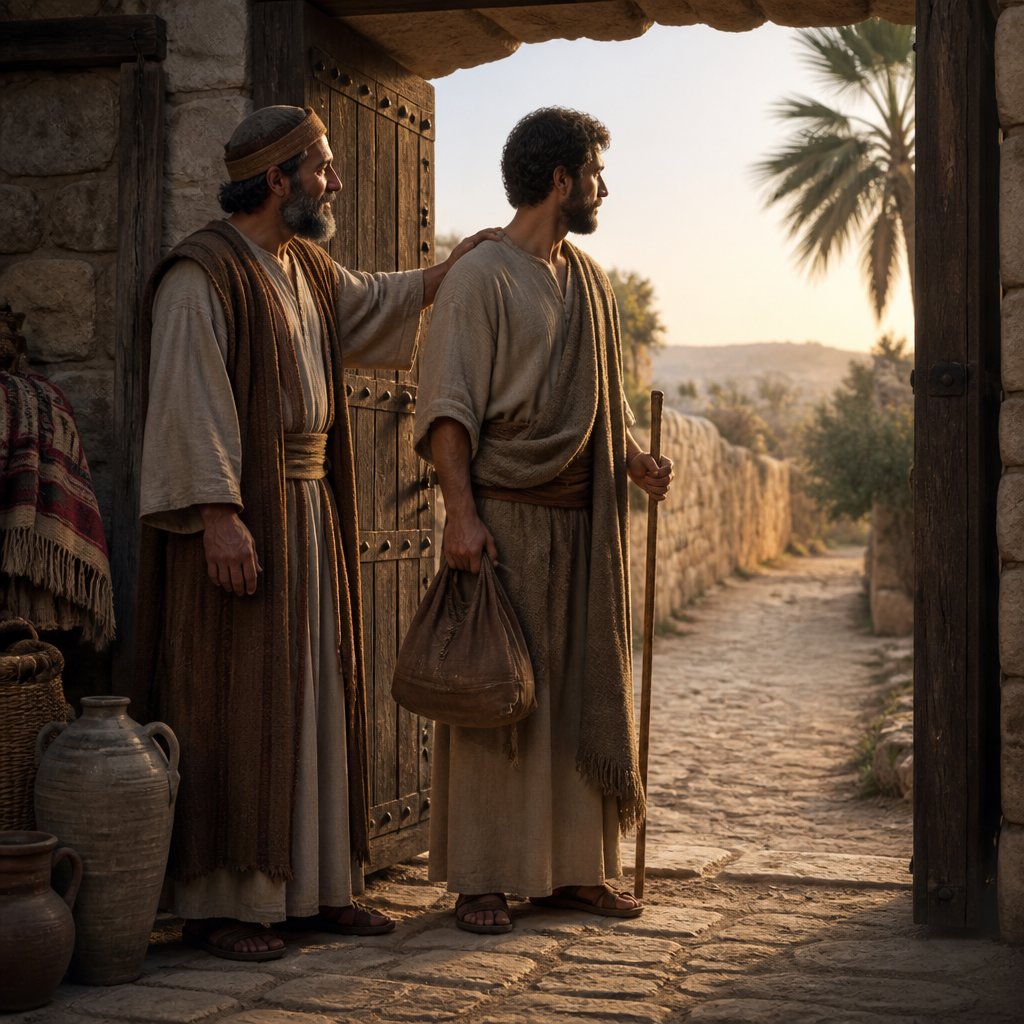
Exodus 21:2 (KJV) reads, "If thou buy an Hebrew servant, six years he shall serve: and in the seventh he shall go out free for nothing."
At first glance, this verse may seem outdated and irrelevant to today's society. However, when we take a closer look at the historical and cultural context of this passage, we can uncover important themes and symbolism that are still applicable to our lives today.
In ancient Israel, slavery was a common practice. However, the Hebrew people were given specific laws and regulations by God to ensure that their treatment of slaves was fair and just. This verse addresses the treatment of Hebrew servants, who were to serve for a maximum of six years before being given their freedom in the seventh year.
One of the key themes in this verse is the concept of freedom and liberation. The idea of serving for six years and then being set free in the seventh year echoes the biblical concept of the Sabbath, where the land is given a rest every seventh year. This reflects the importance of rest and freedom in the eyes of God, and serves as a reminder that all people are entitled to freedom and dignity.
The symbolism in this verse is also significant. The number seven holds great spiritual importance in the Bible, representing completeness and perfection. The fact that the Hebrew servant is released in the seventh year signifies the completion of their time of service and the perfection of their freedom. This symbolizes God's desire for all people to experience true freedom and to live in harmony with His laws.
Another important aspect of this verse is the emphasis on the humane treatment of servants. While the practice of slavery in ancient Israel was commonplace, God's laws ensured that the rights and dignity of servants were protected. This reflects God's concern for the oppressed and marginalized, and His desire for justice and righteousness in society.
In a broader sense, this verse can be seen as a reflection of God's character and His desire for all people to live in freedom and equality. It serves as a reminder that God is a God of justice and compassion, and that He calls His people to act in the same manner towards others.
Today, we can draw important lessons from this verse. While the practice of slavery may no longer exist in the same form, there are still issues of oppression and injustice that plague our world. The principles of freedom, justice, and compassion laid out in this verse are still relevant today, and call us to advocate for the rights and dignity of all people.
In conclusion, Exodus 21:2 (KJV) may seem like a simple regulation regarding the treatment of Hebrew servants in ancient Israel, but it holds deep meaning and significance for us today. It reminds us of the importance of freedom, justice, and compassion, and calls us to uphold these values in our own lives and in society as a whole. It serves as a powerful testament to the timeless principles found in the Bible and the enduring relevance of God's word.
Get our apps


Artwork for Exodus 21:2

Exodus 21:2 - "If thou buy an Hebrew servant, six years he shall serve: and in the seventh he shall go out free for nothing."
"If thou buy an Hebrew servant, six years he shall serve: and in the seventh he shall go out free for nothing." - Exodus 21:2

Exodus 21:2-3 If thou buy an Hebrew servant, six years he shall serve: and in the seventh he shall go out free for nothing. (3) If he came in by himself, he shall go out by himself: if he were married, then his wife shall go out with him.

Exodus 2:21 - "And Moses was content to dwell with the man: and he gave Moses Zipporah his daughter."

Exodus 14: 21

Exodus 14: 21

Exodus 15:21

Exodus 21:21 - "Notwithstanding, if he continue a day or two, he shall not be punished: for he is his money."
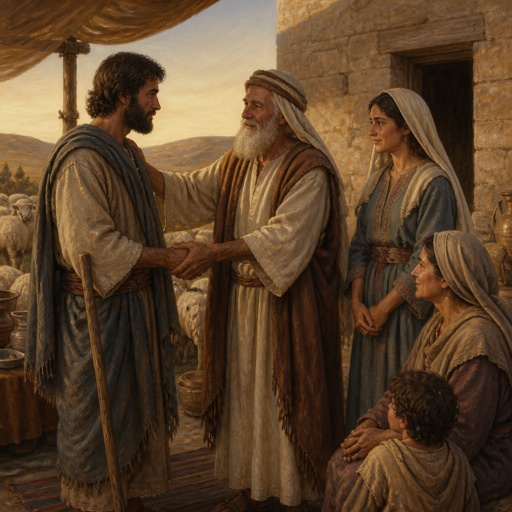
"And Moses was content to dwell with the man: and he gave Moses Zipporah his daughter." - Exodus 2:21

Exodus 27:19-21

Exodus 6:21 - "¶ And the sons of Izhar; Korah, and Nepheg, and Zichri."

Exodus 21:25 - "Burning for burning, wound for wound, stripe for stripe."

The Plague of Darkness - Exodus 10:21-29

The Plague of Darkness - Exodus 10:21-29

The Plague of Darkness - Exodus 10:21-29

The Plague of Darkness - Exodus 10:21-29

The Plague of Darkness - Exodus 10:21-29

The Plague of Darkness - Exodus 10:21-29

The Plague of Darkness - Exodus 10:21-29

Exodus 21:24 - "Eye for eye, tooth for tooth, hand for hand, foot for foot,"

Exodus 21:1 - "Now these are the judgments which thou shalt set before them."

The Plague of Darkness - Exodus 10:21-29

The Plague of Darkness - Exodus 10:21-29

The Plague of Darkness - Exodus 10:21-29

Exodus 21:23 - "And if any mischief follow, then thou shalt give life for life,"

Exodus 36:21 - "The length of a board was ten cubits, and the breadth of a board one cubit and a half."
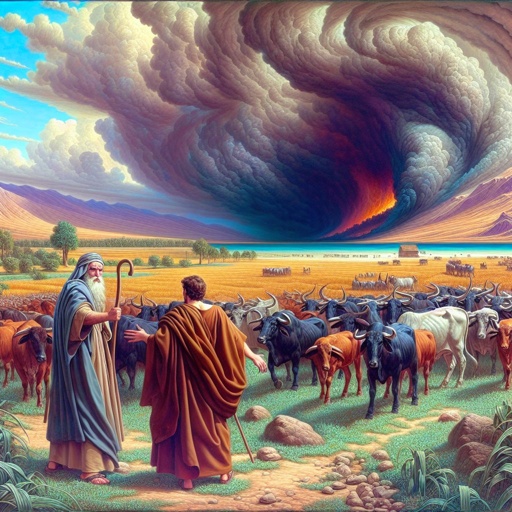
Exodus 9:21 - "And he that regarded not the word of the LORD left his servants and his cattle in the field."

Exodus 21:17 - "¶ And he that curseth his father, or his mother, shall surely be put to death."

Exodus 21:15 - "¶ And he that smiteth his father, or his mother, shall be surely put to death."

Exodus 33:21 - "And the LORD said, Behold, there is a place by me, and thou shalt stand upon a rock:"