What does Exodus 22:21 mean?
“Thou shalt neither vex a stranger, nor oppress him: for ye were strangers in the land of Egypt.” — Exodus 22:21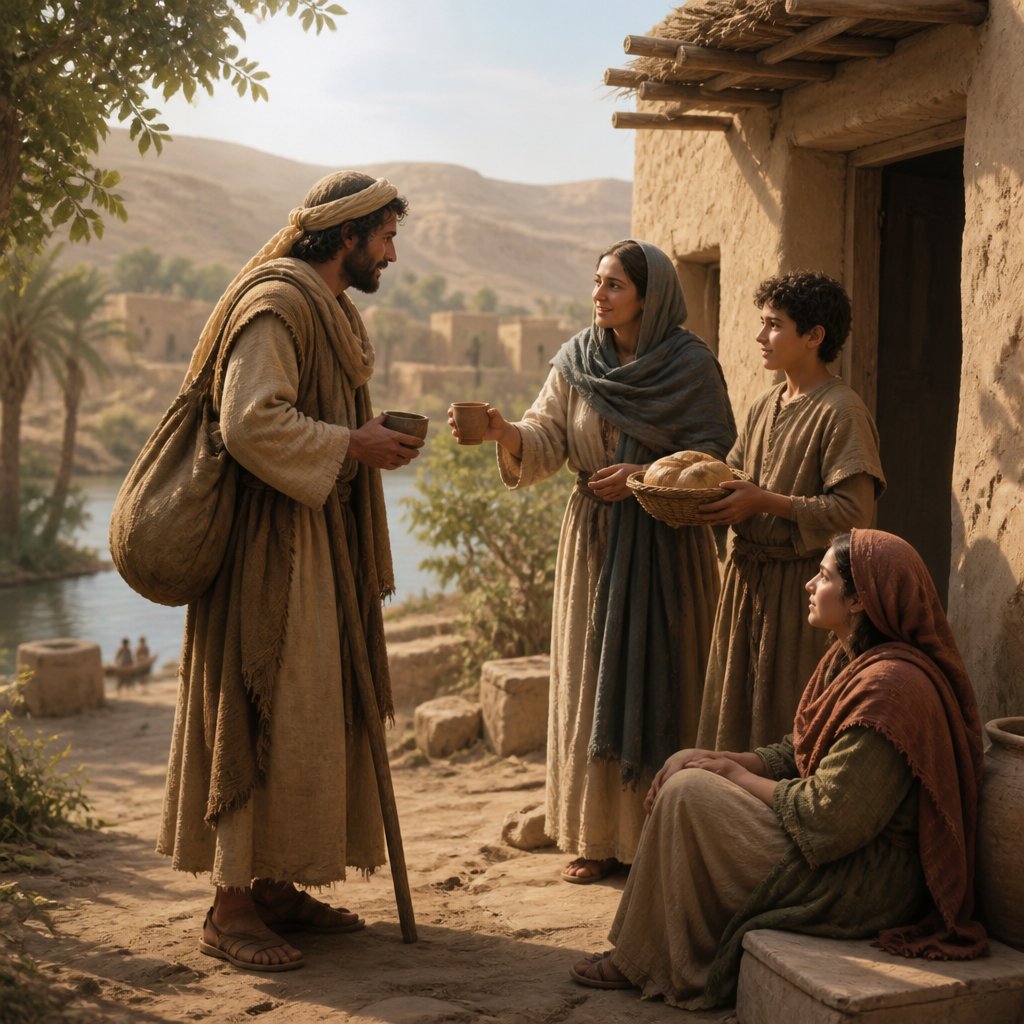
Exodus 22:21 from the King James Version (KJV) of the Bible states: "Thou shalt neither vex a stranger, nor oppress him: for ye were strangers in the land of Egypt."
This verse, found in the book of Exodus, is part of a series of laws and regulations given by God to Moses for the Israelites to follow. In this particular verse, God instructs the Israelites to treat strangers with fairness, kindness, and compassion, reminding them that they were once strangers in a foreign land themselves.
The overarching theme of this verse is one of empathy and compassion towards others, especially those who are foreign or unfamiliar. The Israelites are commanded to remember their own history as oppressed individuals in Egypt and to use that experience as a guiding principle for how they should treat others. This verse serves as a moral and ethical reminder that all individuals deserve to be treated with dignity and respect, regardless of their nationality or background.
In a broader context, this verse is part of the Mosaic Law, which outlines a set of guidelines for living in righteousness and in accordance with God's will. The laws in the book of Exodus are not only meant to govern the behavior of the Israelites towards one another, but also to shape their interactions with outsiders and strangers. By emphasizing the importance of treating strangers well, this verse underscores the universal principles of justice and empathy that should govern human conduct.
The symbolism in this verse is profound and multi-faceted. First and foremost, the reference to the Israelites' experience as strangers in Egypt serves as a reminder of their own vulnerability and suffering. This symbolism highlights the connection between personal experience and moral responsibility, urging the Israelites to use their own history as a lens through which to understand and empathize with others.
Furthermore, the stranger in this verse can also be seen as a metaphor for the marginalized and the vulnerable in society. Just as the Israelites were once strangers in a foreign land, so too are there individuals within every community who may be considered strangers in their own right. This verse thus serves as a call to action for the Israelites, and by extension all believers, to extend kindness and compassion to those who are in need, regardless of their social status or background.
In a modern context, Exodus 22:21 remains a powerful and poignant reminder of the importance of treating all individuals with dignity and respect. In a world that is often plagued by prejudice, discrimination, and xenophobia, this verse speaks to the timeless and universal value of empathy and understanding. It challenges believers to see themselves in the experiences of others and to act with compassion towards those who may be perceived as strangers or outsiders.
Overall, Exodus 22:21 from the King James Version of the Bible encapsulates a foundational principle of moral conduct, encapsulating universal themes of empathy, justice, and social responsibility. It serves as a timeless reminder to all believers to extend kindness and compassion to all, and to use their own history as a guide for understanding and empathizing with others.
Get our apps


Artwork for Exodus 22:21
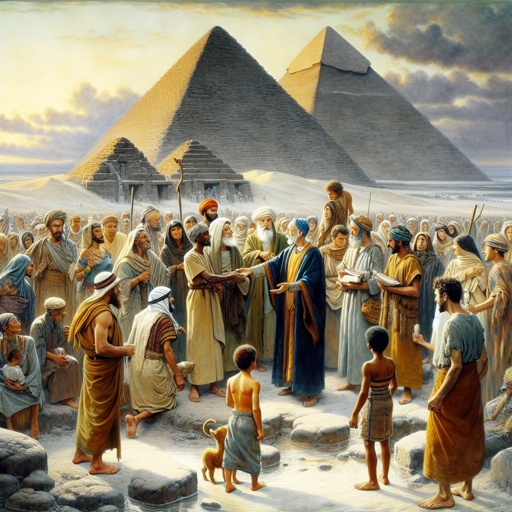
Exodus 22:21 - "¶ Thou shalt neither vex a stranger, nor oppress him: for ye were strangers in the land of Egypt."
"¶ Thou shalt neither vex a stranger, nor oppress him: for ye were strangers in the land of Egypt." - Exodus 22:21
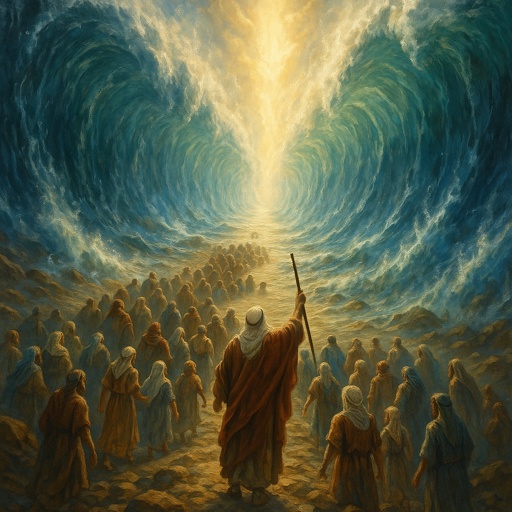
"And Moses stretched out his hand over the sea; and the LORD caused the sea to go back by a strong east wind all that night, and made the sea dry land, and the waters were divided. And the children of Israel went into the midst of the sea upon the dry ground: and the waters were a wall unto them on their right hand, and on their left." - Exodus 14:21-22
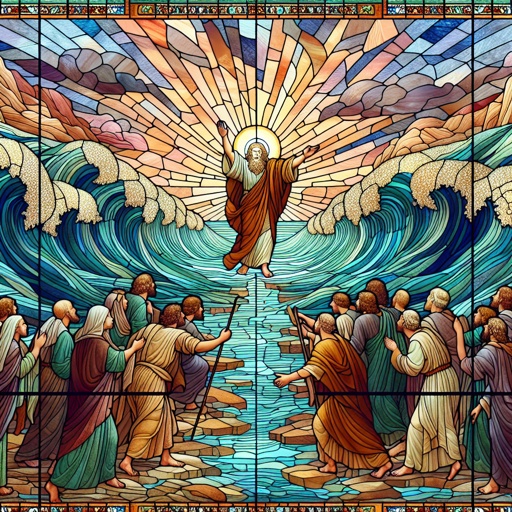
Exodus 14:21-22 KJV (21) And Moses stretched out his hand over the sea; and the LORD caused the sea to go back by a strong east wind all that night, and made the sea dry land, and the waters were divided. (22) And the children of Israel went into the midst of the sea upon the dry ground: and the waters were a wall unto them on their right hand, and on their left.
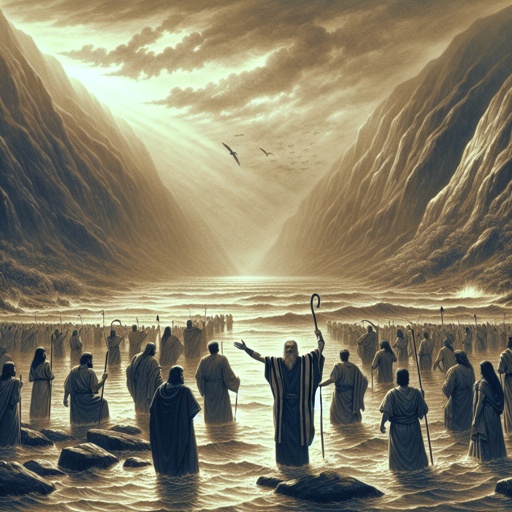
Exodus 14:21-22 KJV (21) And Moses stretched out his hand over the sea; and the LORD caused the sea to go back by a strong east wind all that night, and made the sea dry land, and the waters were divided. (22) And the children of Israel went into the midst of the sea upon the dry ground: and the waters were a wall unto them on their right hand, and on their left.
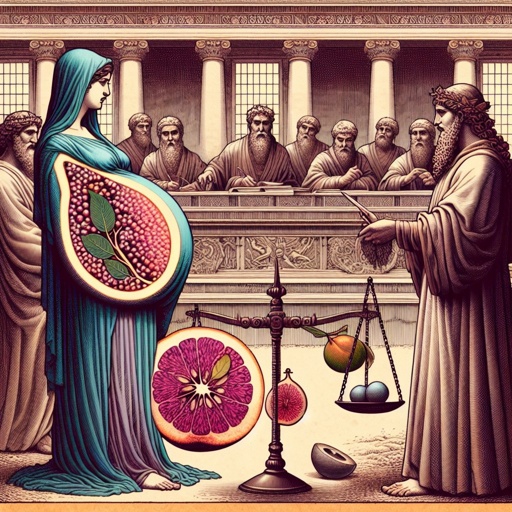
Exodus 21:22 - "¶ If men strive, and hurt a woman with child, so that her fruit depart from her, and yet no mischief follow: he shall be surely punished, according as the woman's husband will lay upon him; and he shall pay as the judges determine."

Exodus 22:22 - "¶ Ye shall not afflict any widow, or fatherless child."

Exodus 22:28

Exodus 15:22

Exodus 22:28

Exodus 22:28

Exodus 22:28

Exodus 22:28

Exodus 14: 21

Exodus 22:28

Exodus 22:28

Exodus 22:28

Exodus 22:28

Exodus 22:5

Exodus 22:5

Exodus 22:28

Exodus 22:28

Exodus 22:28

Exodus 22:28

Exodus 22:28

Exodus 22:5

Exodus 14: 21

Exodus 15:21

Matthew 9:21-22

Matthew 9:21-22