What does Exodus 23:33 mean?
“They shall not dwell in thy land, lest they make thee sin against me: for if thou serve their gods, it will surely be a snare unto thee.” — Exodus 23:33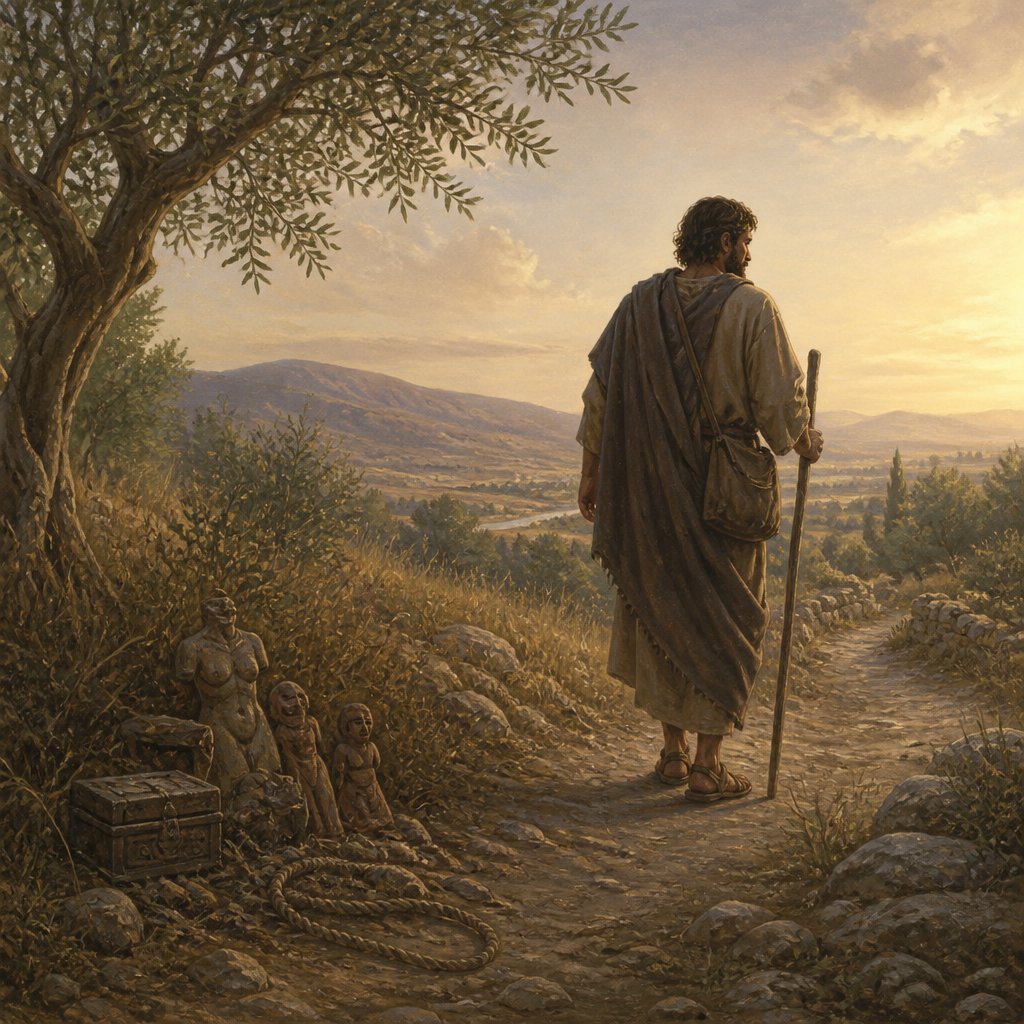
Exodus 23:33 in the King James Version of the Bible reads, "They shall not dwell in thy land, lest they make thee sin against me: for if thou serve their gods, it will surely be a snare unto thee." This verse is part of a larger passage in which God gives specific instructions to the Israelites regarding their interactions with the inhabitants of the land of Canaan.
In this verse, God is cautioning the Israelites against allowing the other nations to dwell in their land. He warns them that if they were to permit the presence of these people, it would lead to the temptation to sin against Him by serving their gods. This passage serves as a reminder of the ongoing spiritual battle that the Israelites faced as they entered the Promised Land.
One of the main themes of this verse is the importance of remaining faithful to God and avoiding the influence of foreign gods. The Israelites had a history of turning away from God and worshiping idols, and they were often led astray by the practices of the surrounding nations. This verse serves as a warning against the danger of compromising their faith by allowing the presence of those who served other gods.
The context of this verse is important for understanding its significance. The Israelites were on the verge of entering the land of Canaan, which was inhabited by various pagan nations. God had promised to give them this land as their inheritance, but He also knew the temptations that lay ahead. The presence of the Canaanites and other pagan nations would pose a significant threat to the spiritual well-being of the Israelites.
The symbolism in this verse is evident in the concept of dwelling in the land. The land of Canaan represented the physical and spiritual inheritance that God had promised to the Israelites. Allowing the foreign nations to dwell in the land symbolized the infiltration of foreign ideas and practices, which could lead to spiritual compromise. This concept of dwelling in the land also carries the symbolism of ownership and authority. Allowing the presence of those who served other gods would be a violation of Israel's exclusive allegiance to God.
This verse can also be seen as a broader metaphor for the importance of guarding one's faith and resisting the influence of the world. The temptation to compromise one's beliefs and practices in order to fit in with the surrounding culture is a timeless struggle that is still relevant today. The warning against allowing foreign gods to become a snare serves as a reminder to remain steadfast in faith and not to be swayed by the beliefs and practices of those who do not worship the one true God.
In conclusion, Exodus 23:33 serves as a reminder of the constant spiritual battle that the Israelites faced as they entered the Promised Land. The verse highlights the importance of remaining faithful to God and avoiding the influence of foreign gods. The passage serves as a timeless warning against compromising one's faith and the danger of allowing the practices of the world to lead to spiritual compromise. The symbolism of dwelling in the land and the caution against foreign gods serves as a powerful lesson for believers today to remain steadfast in their faith and guard against the influence of the world.
Get our apps


Artwork for Exodus 23:33
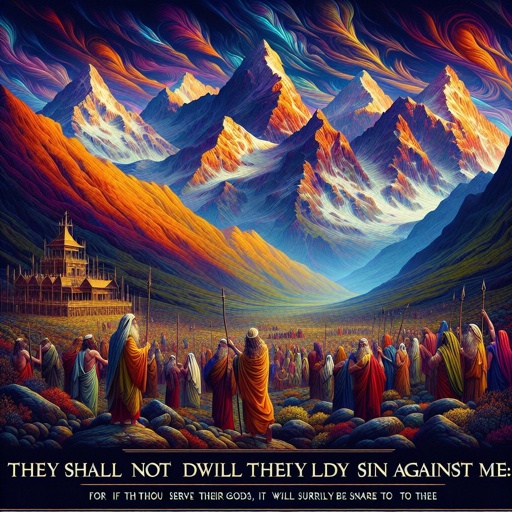
Exodus 23:33 - "They shall not dwell in thy land, lest they make thee sin against me: for if thou serve their gods, it will surely be a snare unto thee."
"They shall not dwell in thy land, lest they make thee sin against me: for if thou serve their gods, it will surely be a snare unto thee." - Exodus 23:33

Exodus 33:23 - "And I will take away mine hand, and thou shalt see my back parts: but my face shall not be seen."

Exodus 12:33
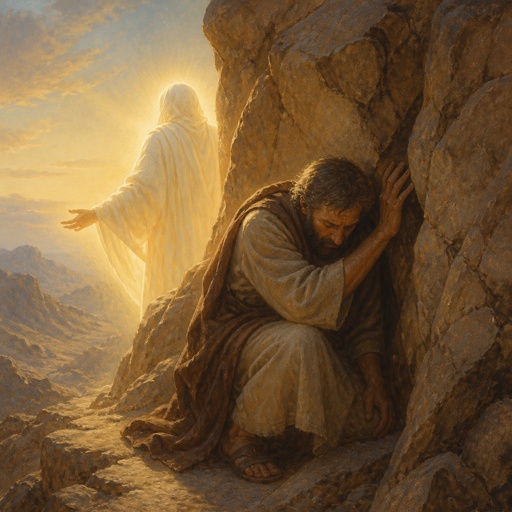
"And I will take away mine hand, and thou shalt see my back parts: but my face shall not be seen." - Exodus 33:23

Exodus 26:31-33

Leviticus 23:33 - "¶ And the LORD spake unto Moses, saying,"
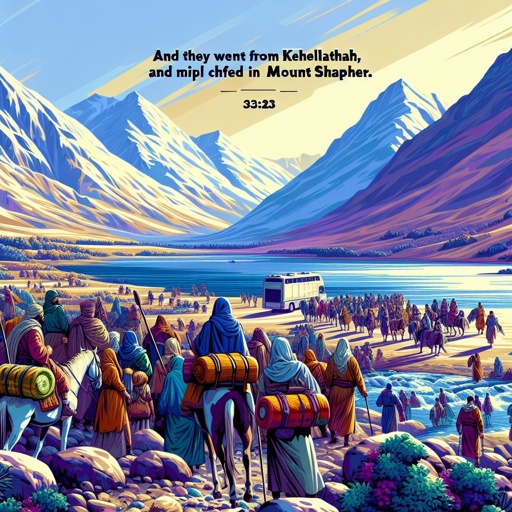
Numbers 33:23 - "And they went from Kehelathah, and pitched in mount Shapher."

Jeremiah 33:23 - "Moreover the word of the LORD came to Jeremiah, saying,"

Exodus 33:6 - "And the children of Israel stripped themselves of their ornaments by the mount Horeb."

Ezekiel 33:23 - "Then the word of the LORD came unto me, saying,"

2 Samuel 23:33 - "Shammah the Hararite, Ahiam the son of Sharar the Hararite,"

Exodus 33:18 - "And he said, I beseech thee, shew me thy glory."

Exodus 23:20

Exodus 23:4

Exodus 23:28

Exodus 15:23

Exodus 33:21 - "And the LORD said, Behold, there is a place by me, and thou shalt stand upon a rock:"
Exodus 15:23

Exodus 23:4

Exodus 23:28

Exodus 33:14 - "And he said, My presence shall go with thee, and I will give thee rest."

Exodus 34:33 - "And till Moses had done speaking with them, he put a vail on his face."

Exodus 35:33 - "And in the cutting of stones, to set them, and in carving of wood, to make any manner of cunning work."

Exodus 36:33 - "And he made the middle bar to shoot through the boards from the one end to the other."

Exodus 23:27-28

Exodus 33:15 - "And he said unto him, If thy presence go not with me, carry us not up hence."

Exodus 33:4 - "¶ And when the people heard these evil tidings, they mourned: and no man did put on him his ornaments."

Exodus 33:20 - "And he said, Thou canst not see my face: for there shall no man see me, and live."

Job 33:23 - "If there be a messenger with him, an interpreter, one among a thousand, to shew unto man his uprightness:"