What does Exodus 30:12 mean?
“When thou takest the sum of the children of Israel after their number, then shall they give every man a ransom for his soul unto the LORD, when thou numberest them; that there be no plague among them, when thou numberest them.” — Exodus 30:12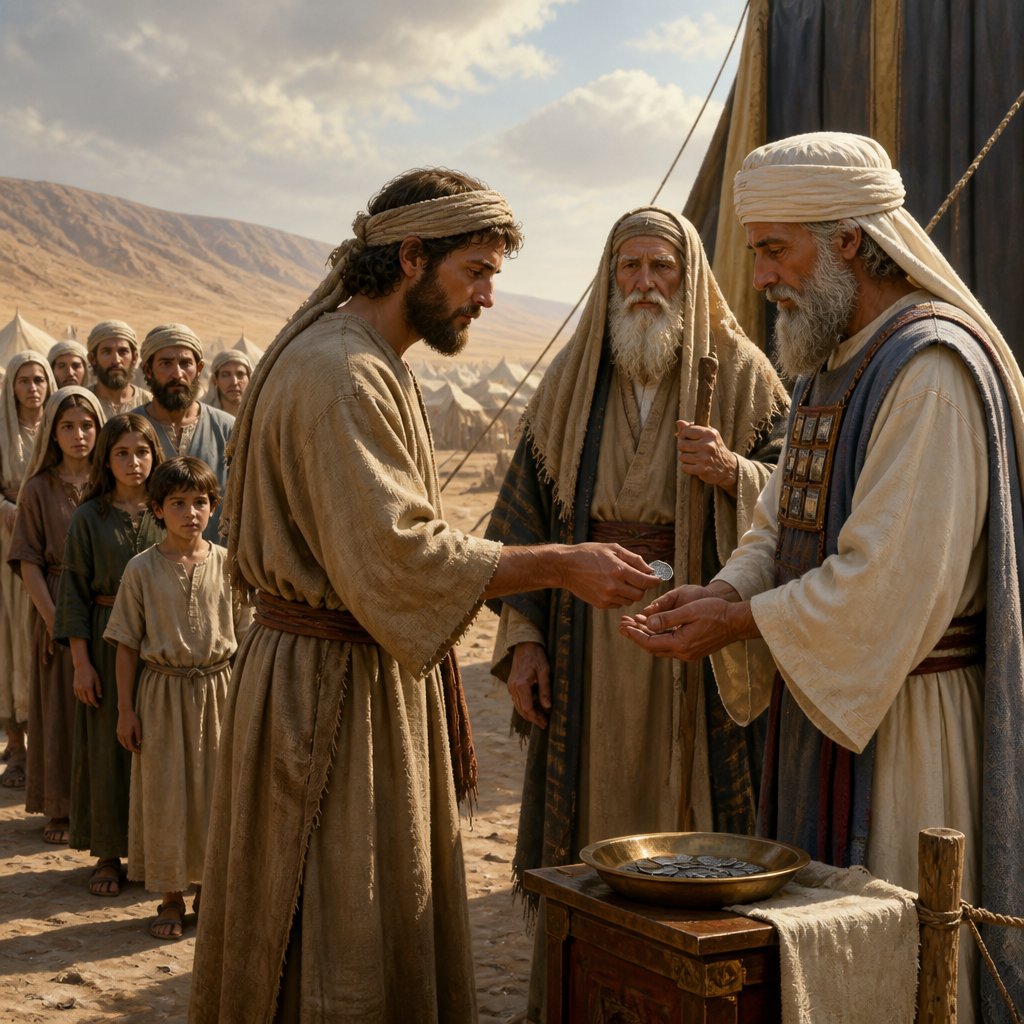
Exodus 30:12 in the King James Version of the Bible reads, "When thou takest the sum of the children of Israel after their number, then shall they give every man a ransom for his soul unto the Lord, when thou numberest them; that there be no plague among them, when thou numberest them."
This verse comes from the book of Exodus, which is the second book of the Bible and is part of the Pentateuch, the first five books of the Old Testament. The book of Exodus describes the story of the Israelites' deliverance from slavery in Egypt and their journey to the Promised Land, as well as the giving of the Ten Commandments and the establishment of the Tabernacle.
The verse in question is part of a passage that details the instructions for the census of the Israelites. In this specific verse, God commands Moses and the Israelites to take a ransom for their souls when they are numbering the people. This ransom is to be given to the Lord so that there would be no plague among them.
This verse holds several layers of meaning and significance within its historical and cultural context, as well as its spiritual and theological implications. One of the key themes of this verse is the concept of atonement and redemption. The act of giving a ransom for one's soul is a symbolic gesture of recognizing the value and sanctity of human life and seeking reconciliation with God.
In the Old Testament, the idea of a ransom or redemption offering was a common practice to atone for sins and to seek forgiveness and favor from God. The Hebrew word used for "ransom" in this verse is "kofer," which also connotes the idea of a covering or a payment to secure protection. This reflects the understanding that sin creates a barrier between humanity and God, and a ransom is needed to bridge that gap and maintain a relationship with the divine.
The concept of atonement is further emphasized in the New Testament, particularly in the teachings of Jesus Christ. The idea of a ransom for souls is echoed in the words of Jesus, who proclaimed that he came to give his life as a ransom for many (Mark 10:45). This highlights the belief in Christianity that Jesus' sacrificial death on the cross serves as the ultimate ransom for humanity, providing redemption and reconciliation with God.
Another theme present in this verse is the idea of divine protection and the avoidance of plague. In ancient times, the taking of a census was seen as a potentially dangerous act, as it could result in God's judgment and punishment in the form of a plague. Thus, the giving of a ransom for the soul of each person served as a means of safeguarding the community from harm.
The symbolism of the census and the ransom also reflects the overarching narrative of the Israelites' journey towards the Promised Land. The act of numbering the people symbolizes God's care and provision for his chosen people, as well as their identity as a community. The giving of a ransom highlights the need for the Israelites to remain faithful and obedient to God's commands in order to experience his protection and blessings.
In a broader theological sense, this verse can be understood as a reminder of the sanctity of life and the need for humanity to acknowledge their dependence on God. It underscores the importance of seeking reconciliation with God and the necessity of atonement for sin. Additionally, it illustrates the principle of divine grace and mercy, as God provides a means for his people to avoid judgment and receive his protection.
In conclusion, Exodus 30:12 holds profound meaning within its historical, cultural, and theological context. It conveys the themes of atonement, reconciliation, and divine protection, while also pointing towards the ultimate ransom provided through the sacrifice of Jesus Christ. This verse serves as a reminder of the significance of seeking forgiveness and redemption in the spiritual journey of humanity.
Get our apps


Artwork for Exodus 30:12
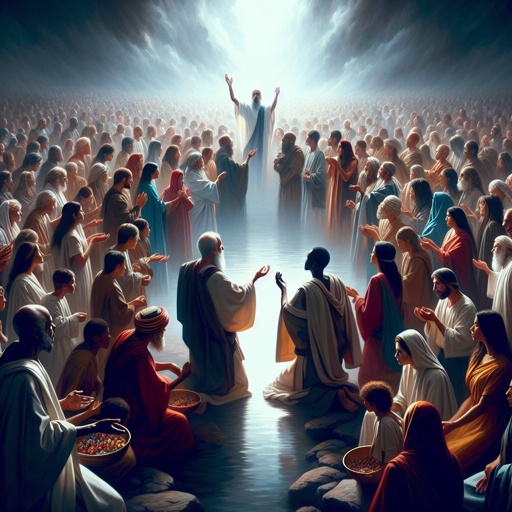
Exodus 30:12 - "When thou takest the sum of the children of Israel after their number, then shall they give every man a ransom for his soul unto the LORD, when thou numberest them; that there be no plague among them, when thou numberest them."
"When thou takest the sum of the children of Israel after their number, then shall they give every man a ransom for his soul unto the LORD, when thou numberest them; that there be no plague among them, when thou numberest them." - Exodus 30:12

The Plague on the Firstborn - Exodus 11, 12:1-30

The Plague on the Firstborn - Exodus 11, 12:1-30
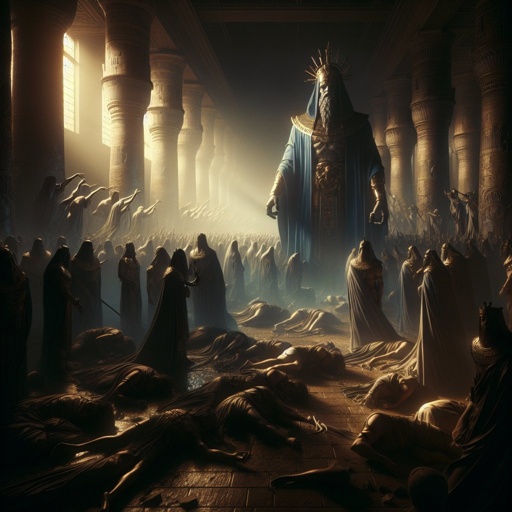
Exodus 12:30 - "And Pharaoh rose up in the night, he, and all his servants, and all the Egyptians; and there was a great cry in Egypt; for there was not a house where there was not one dead."

Exodus 26:30

Exodus 28:30-43

Exodus 28:15-30

Exodus 30:30 - "And thou shalt anoint Aaron and his sons, and consecrate them, that they may minister unto me in the priest's office."

Exodus 16:30 - "So the people rested on the seventh day."

Exodus 30:17 - "¶ And the LORD spake unto Moses, saying,"

Exodus 30:11 - "¶ And the LORD spake unto Moses, saying,"

Exodus 30:22 - "¶ Moreover the LORD spake unto Moses, saying,"

Exodus 12:12

Exodus 8:30 - "And Moses went out from Pharaoh, and intreated the LORD."

Exodus 30:26 - "And thou shalt anoint the tabernacle of the congregation therewith, and the ark of the testimony,"
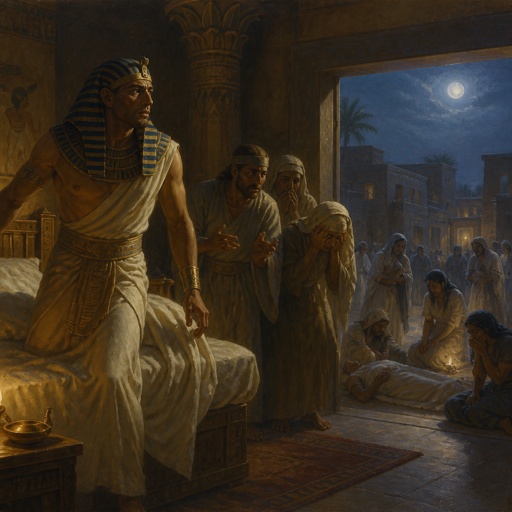
"And Pharaoh rose up in the night, he, and all his servants, and all the Egyptians; and there was a great cry in Egypt; for there was not a house where there was not one dead." - Exodus 12:30

Exodus 30:19 - "For Aaron and his sons shall wash their hands and their feet thereat:"

Exodus 30:27 - "And the table and all his vessels, and the candlestick and his vessels, and the altar of incense,"

Exodus 30:5 - "And thou shalt make the staves of shittim wood, and overlay them with gold."

Exodus 25:30 - "And thou shalt set upon the table shewbread before me alway."

Exodus 30:28 - "And the altar of burnt offering with all his vessels, and the laver and his foot."

Exodus 30:24 - "And of cassia five hundred shekels, after the shekel of the sanctuary, and of oil olive an hin:"

Exodus 9:30 - "But as for thee and thy servants, I know that ye will not yet fear the LORD God."

Exodus 40:30 - "¶ And he set the laver between the tent of the congregation and the altar, and put water there, to wash withal."
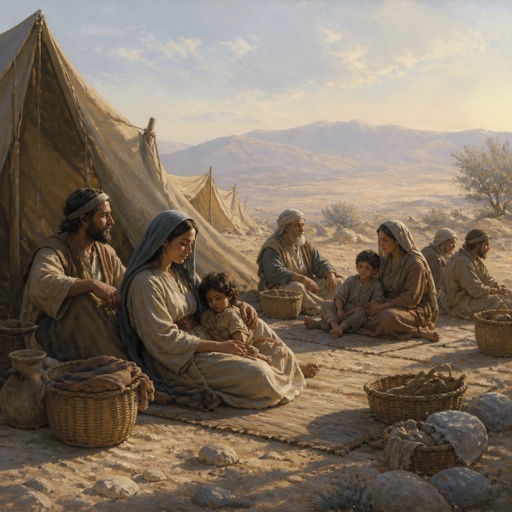
"So the people rested on the seventh day." - Exodus 16:30

Exodus 26:30 - "And thou shalt rear up the tabernacle according to the fashion thereof which was shewed thee in the mount."

Exodus 3:12

Exodus 3:12

Exodus 3:12