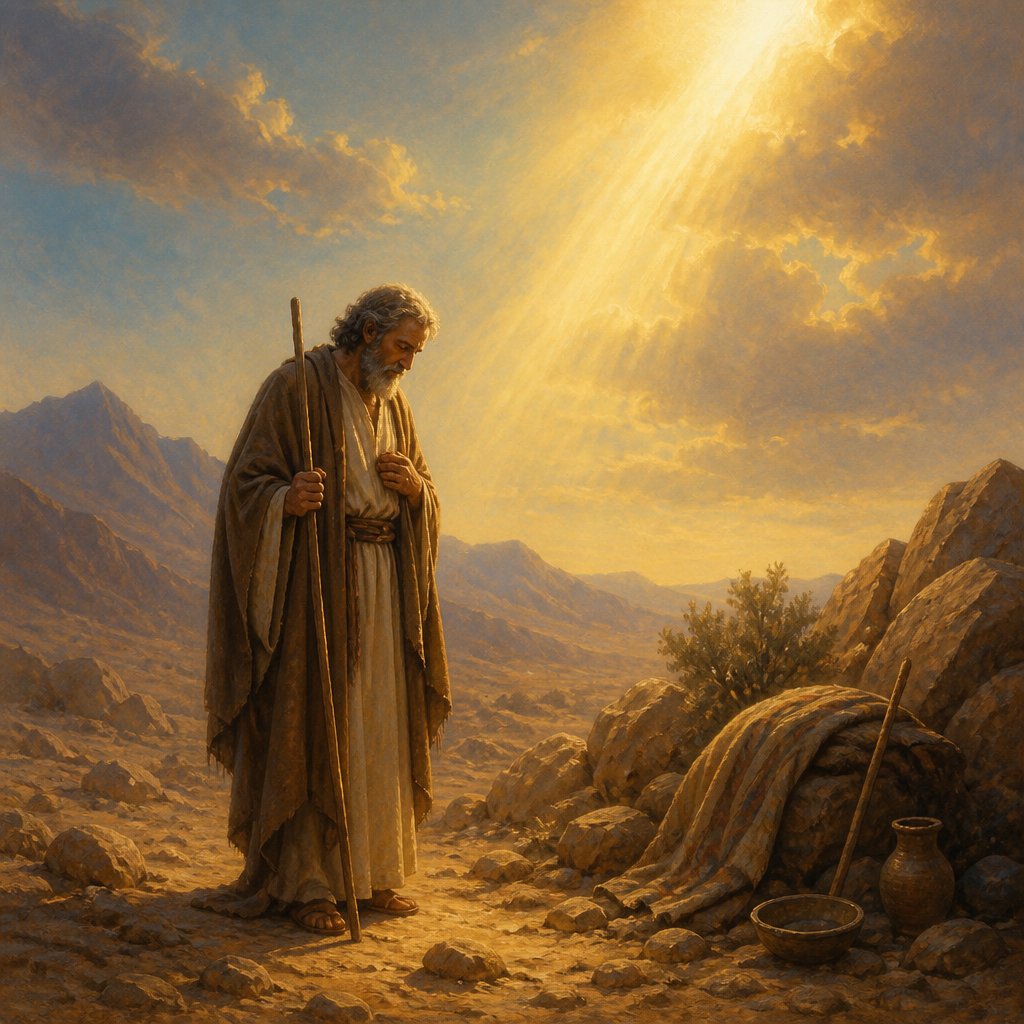
Exodus 30:22 in the King James Version of the Bible reads, "Moreover the Lord spake unto Moses, saying, Take thou also unto thee principal spices, of pure myrrh five hundred shekels, and of sweet cinnamon half so much, even two hundred and fifty shekels, and of sweet calamus two hundred and fifty shekels."
This verse is part of a larger passage that describes the instructions given to Moses from the Lord for the making of the anointing oil, which was to be used for consecrating the priests and the objects used in the tabernacle. The anointing oil was to be a special, consecrated substance that was set apart for the purpose of empowering and sanctifying those who were called to serve in the priesthood.
The context of this verse is set within the larger narrative of the book of Exodus, which describes the Israelites' journey from slavery in Egypt to the Promised Land. During this journey, God gave specific instructions to Moses about how to build the tabernacle, set up the priesthood, and establish the worship practices of the Hebrew people. These instructions were important for establishing the Israelites as a holy nation, set apart and dedicated to the worship and service of God.
The symbolism in this verse lies in the ingredients used in the anointing oil. Myrrh, cinnamon, and calamus were all precious and aromatic substances that were highly valued in the ancient world. Myrrh was often used in burial anointing oil, symbolizing the priest's role in mediating between life and death. Cinnamon was a rare and exotic spice, symbolizing the beauty and richness of God's presence. Calamus was known for its sweet fragrance and was often associated with purification and sanctification, symbolizing the holiness and consecration of the priests who were anointed with this oil.
The anointing oil itself was a powerful symbol of the presence and power of the Holy Spirit. When the priests and objects in the tabernacle were anointed with this oil, they were set apart for the service of God and empowered to fulfill their sacred duties. The anointing oil was a tangible representation of God's presence among his people, and it served as a reminder of their call to holiness and dedication to God.
In a broader sense, the anointing oil can also be seen as a foreshadowing of the anointing of Jesus Christ, who was the ultimate high priest and mediator between God and humanity. The anointing oil symbolizes the divine authority and empowerment that Christ received to fulfill his role as the savior of the world. Through his sacrificial death and resurrection, Jesus inaugurated a new covenant and empowered his followers with the Holy Spirit to continue his work on earth.
The themes present in this verse include the holiness and consecration of the priesthood, the presence and power of the Holy Spirit, and the foreshadowing of Jesus Christ as the ultimate high priest. The instructions given to Moses for the making of the anointing oil were a crucial part of God's plan for establishing a holy and dedicated priesthood, as well as foreshadowing the coming of Jesus Christ as the ultimate high priest and savior.
In conclusion, Exodus 30:22 is a verse that holds deep symbolic and spiritual significance within the larger narrative of the book of Exodus. It serves as a reminder of the holiness and consecration of the priesthood, the presence and power of the Holy Spirit, and the foreshadowing of Jesus Christ as the ultimate high priest. The ingredients used in the anointing oil and the instructions given for its making were a tangible expression of God's plan for sanctifying his people and empowering them for service.
Get our apps


Artwork for Exodus 30:22

Exodus 30:22 - "¶ Moreover the LORD spake unto Moses, saying,"
"¶ Moreover the LORD spake unto Moses, saying," - Exodus 30:22

Exodus 22:30 - "Likewise shalt thou do with thine oxen, and with thy sheep: seven days it shall be with his dam; on the eighth day thou shalt give it me."

Jehoiachin in Jeremiah 22:22-30

Exodus 26:30

Exodus 28:30-43

Exodus 28:15-30

Exodus 30:30 - "And thou shalt anoint Aaron and his sons, and consecrate them, that they may minister unto me in the priest's office."

Exodus 16:30 - "So the people rested on the seventh day."

Exodus 30:17 - "¶ And the LORD spake unto Moses, saying,"

Exodus 30:11 - "¶ And the LORD spake unto Moses, saying,"

Exodus 22:22 - "¶ Ye shall not afflict any widow, or fatherless child."

Exodus 8:30 - "And Moses went out from Pharaoh, and intreated the LORD."

Exodus 15:22

Exodus 22:28

Exodus 22:28

Exodus 22:28

Exodus 22:28

Exodus 22:28

Exodus 30:26 - "And thou shalt anoint the tabernacle of the congregation therewith, and the ark of the testimony,"

Exodus 22:28

Exodus 22:28

Exodus 22:5

Exodus 22:28

Exodus 22:28

Exodus 22:28

Exodus 22:28

Exodus 22:28

Exodus 22:5

Exodus 22:28