What does Exodus 30:25 mean?
“And thou shalt make it an oil of holy ointment, an ointment compound after the art of the apothecary: it shall be an holy anointing oil.” — Exodus 30:25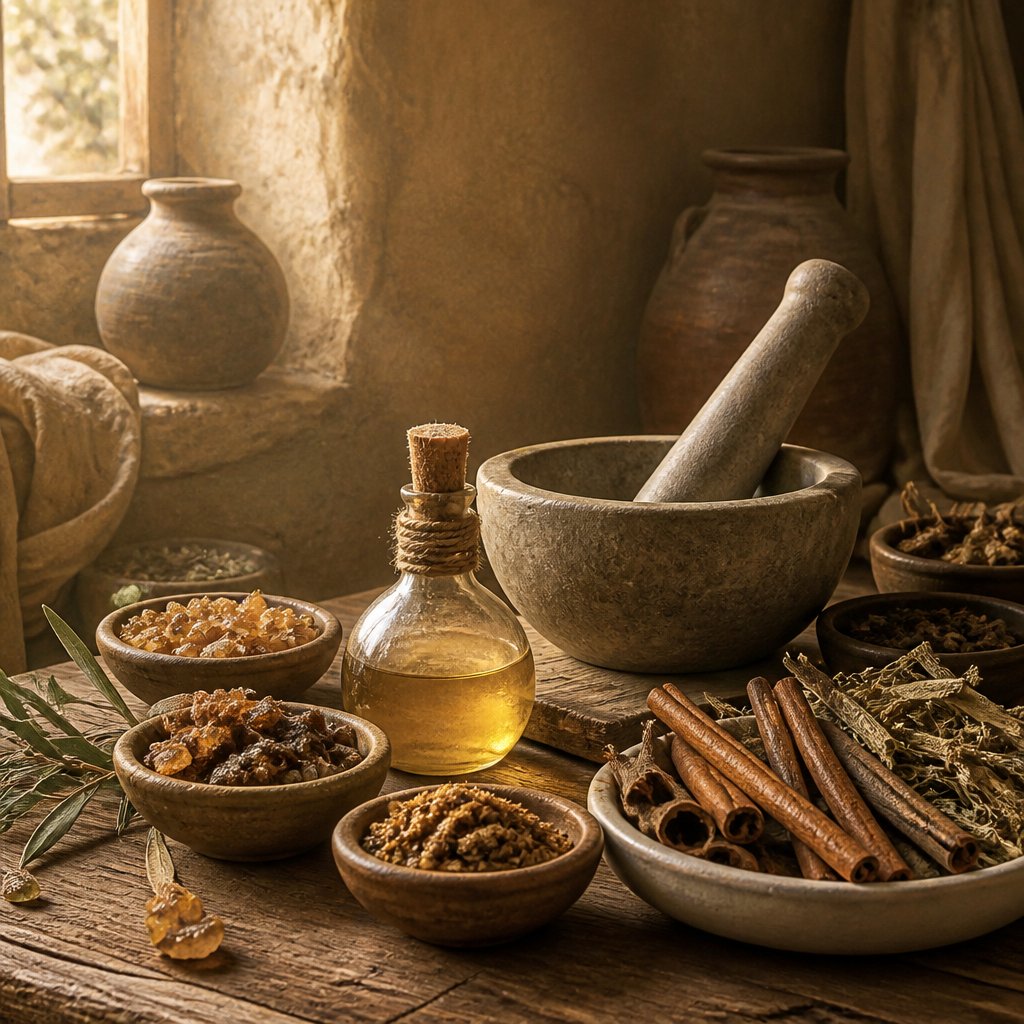
The Bible verse Exodus 30:25, in the King James Version (KJV) reads: "And thou shalt make it an oil of holy ointment, an ointment compound after the art of the apothecary: it shall be an holy anointing oil."
This verse comes from the book of Exodus, which is the second book of the Bible and tells the story of the Israelites' deliverance from slavery in Egypt and their journey to the Promised Land. In this particular verse, God is giving instructions to Moses on how to make a sacred anointing oil that will be used to consecrate priests and high priests, as well as various religious articles and the Tabernacle itself.
The use of the anointing oil is significant because it symbolizes the setting apart or dedication of a person or object for a sacred purpose. The oil itself is described as "holy" and is to be made according to a specific recipe and method by an apothecary, which is a skilled artisan or craftsman. This indicates that the anointing oil is not to be taken lightly, but is a precious and sacred substance to be used only for religious purposes.
The themes present in this verse include holiness, consecration, and the divine presence. The anointing oil is a physical representation of God's presence and blessing, as it is used in the act of anointing to bestow God's favor and empower those who are anointed for their sacred duties. It also serves as a symbol of purification and sanctification, preparing the recipients for their roles in the service of God.
The context of this verse is important to understand its significance. The Israelites had just been freed from slavery in Egypt and were in the process of establishing a new religious and social order. The anointing oil was a key component in this process, as it was used to consecrate the priests and high priests who would serve in the Tabernacle, as well as the articles used in the worship of God. It was a way of designating and marking off the sacred from the profane, and of ensuring that the presence of God would be with his people as they journeyed through the wilderness.
The symbolism of the anointing oil is also important to consider. The act of anointing was a common practice in the ancient Near East, and it was often used to mark someone as a king or a priest. By using this practice, God was establishing a covenant relationship with his people, demonstrating that they were set apart and consecrated for his service. The anointing oil was a visible sign of this relationship, and it served as a reminder of God's presence and blessing among his people.
In conclusion, Exodus 30:25 in the KJV is a verse that holds great significance in the religious and cultural life of the ancient Israelites. It speaks to the themes of holiness, consecration, and divine presence, and the context of the verse reveals its importance in the establishment of the Israelite religious and social order. The symbolism of the anointing oil serves as a tangible reminder of God's covenant relationship with his people, and its use was a powerful expression of God's favor and blessing.
Get our apps


Artwork for Exodus 30:25

Exodus 30:25 - "And thou shalt make it an oil of holy ointment, an ointment compound after the art of the apothecary: it shall be an holy anointing oil."
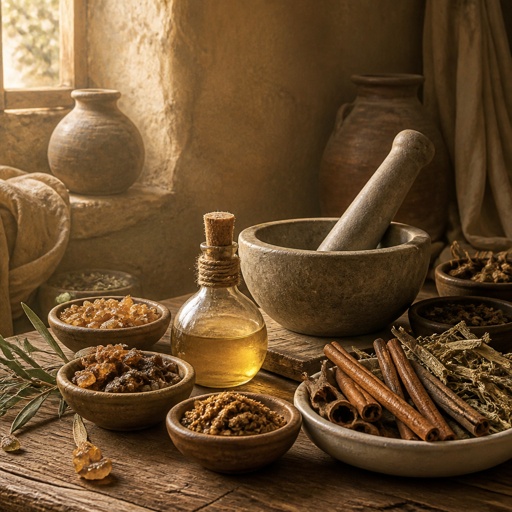
"And thou shalt make it an oil of holy ointment, an ointment compound after the art of the apothecary: it shall be an holy anointing oil." - Exodus 30:25

Exodus 25:30 - "And thou shalt set upon the table shewbread before me alway."
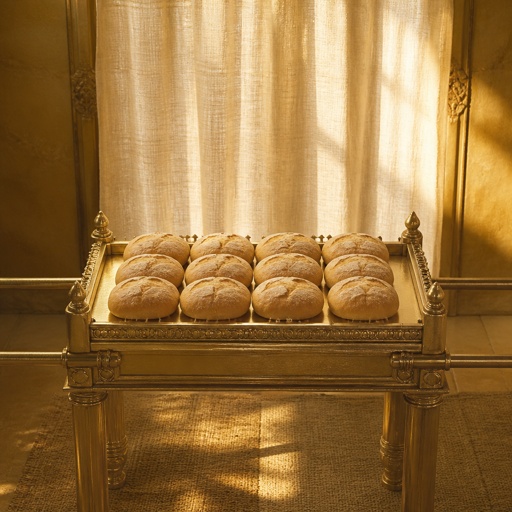
"And thou shalt set upon the table shewbread before me alway." - Exodus 25:30

Exodus 26:30

Exodus 28:30-43

Exodus 28:15-30

Exodus 30:30 - "And thou shalt anoint Aaron and his sons, and consecrate them, that they may minister unto me in the priest's office."

Exodus 25:16

Exodus 25:31

Exodus 25:8

Exodus 25:16

Exodus 25:16

Exodus 16:30 - "So the people rested on the seventh day."

Exodus 30:17 - "¶ And the LORD spake unto Moses, saying,"

Exodus 30:11 - "¶ And the LORD spake unto Moses, saying,"

Exodus 30:22 - "¶ Moreover the LORD spake unto Moses, saying,"

Proverbs 30:25 - "The ants are a people not strong, yet they prepare their meat in the summer;"

Exodus 25:10-22

Exodus 8:30 - "And Moses went out from Pharaoh, and intreated the LORD."

Exodus 30:26 - "And thou shalt anoint the tabernacle of the congregation therewith, and the ark of the testimony,"

Job 30:25 - "Did not I weep for him that was in trouble? was not my soul grieved for the poor?"

Exodus 25:1 - "And the LORD spake unto Moses, saying,"

Exodus 30:19 - "For Aaron and his sons shall wash their hands and their feet thereat:"

Exodus 30:27 - "And the table and all his vessels, and the candlestick and his vessels, and the altar of incense,"

Exodus 30:5 - "And thou shalt make the staves of shittim wood, and overlay them with gold."

Matthew 25:30 - "And cast ye the unprofitable servant into outer darkness: there shall be weeping and gnashing of teeth."

Exodus 25:7 - "Onyx stones, and stones to be set in the ephod, and in the breastplate."

Exodus 30:28 - "And the altar of burnt offering with all his vessels, and the laver and his foot."

The Plague on the Firstborn - Exodus 11, 12:1-30