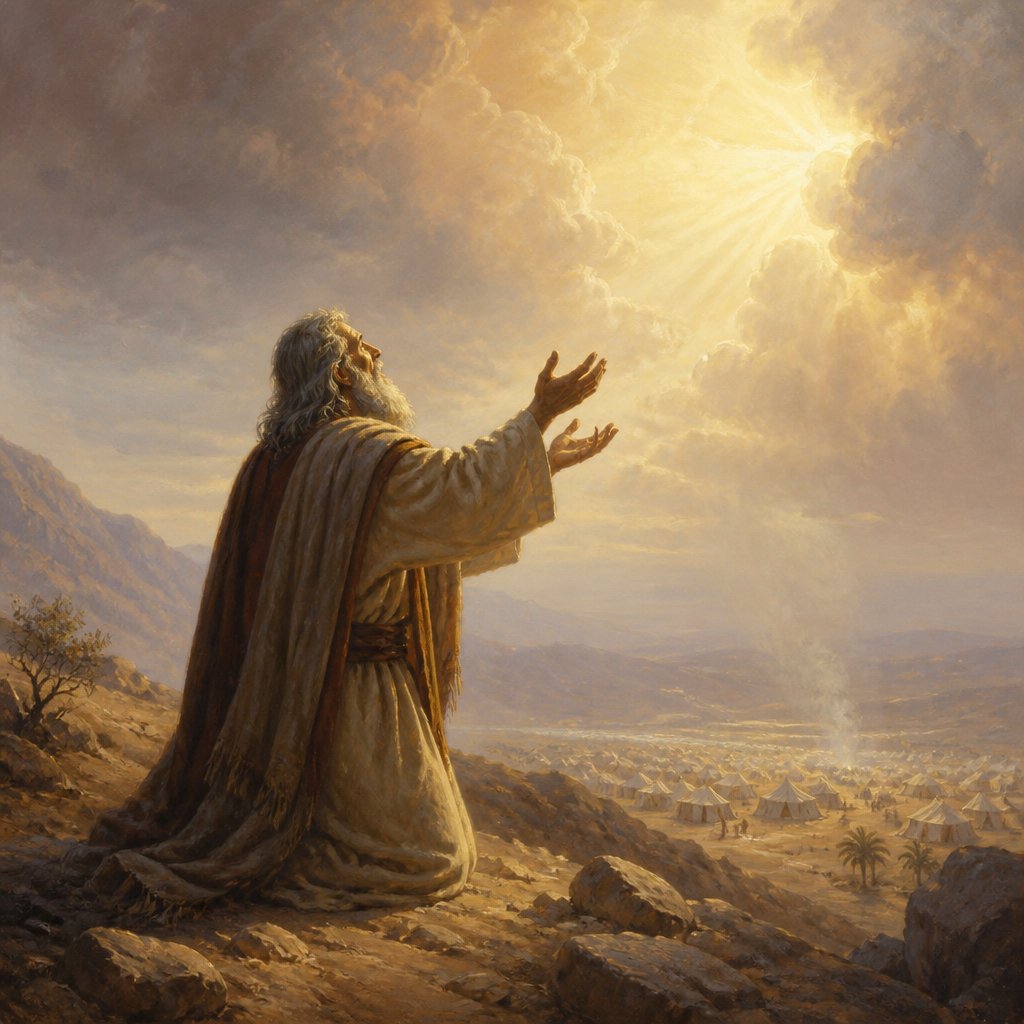
Exodus 32:11-13 in the King James Version reads, "And Moses besought the Lord his God, and said, Lord, why doth thy wrath wax hot against thy people, which thou hast brought forth out of the land of Egypt with great power, and with a mighty hand? Wherefore should the Egyptians speak, and say, For mischief did he bring them out, to slay them in the mountains, and to consume them from the face of the earth? Turn from thy fierce wrath, and repent of this evil against thy people. Remember Abraham, Isaac, and Israel, thy servants, to whom thou swarest by thine own self, and saidst unto them, I will multiply your seed as the stars of heaven, and all this land that I have spoken of will I give unto your seed, and they shall inherit it forever."
This passage is a profound moment in the book of Exodus, as Moses pleads with God on behalf of the Israelites. The context of this passage is crucial for understanding the significance of these verses. The Israelites had just sinned by creating and worshiping a golden calf as their god, breaking the first two commandments that God had given to them. God's anger and wrath were burning against the people, and He threatened to destroy them and start over with Moses to form a new nation. In response, Moses intercedes for the people and asks God to turn away from His fierce anger and remember the promises He had made to their ancestors, Abraham, Isaac, and Israel.
One of the central themes of this passage is the concept of intercession and the role of a mediator between God and the people. Moses, as the appointed leader of the Israelites, serves as a mediator between the people and God. He stands in the gap and pleads for God's mercy and forgiveness for the sins of the people. This demonstrates the compassion and love that Moses had for his people, as well as the power and authority that he held as the chosen leader.
Another essential theme in this passage is the character of God and His faithfulness to His promises. Moses appeals to God's faithfulness by reminding Him of His covenant with Abraham, Isaac, and Israel. He implores God to remember the promises He made to the patriarchs concerning the multiplication of their descendants and the inheritance of the promised land. This highlights the unchanging and unwavering nature of God, as well as His commitment to fulfill His covenant promises to His people.
The symbolism in this passage is also significant, particularly in the mention of the golden calf and the intercession of Moses. The golden calf represents the idolatry and disobedience of the Israelites, who turned away from the true God to worship a created image. This act of rebellion incited God's anger and judgment, revealing the destructive consequences of sin. On the other hand, Moses' intercession symbolizes the role of Jesus Christ as the ultimate mediator between God and humanity. Jesus stands as the perfect advocate and intercessor, pleading for mercy and forgiveness on behalf of all believers, just as Moses did for the Israelites.
In conclusion, Exodus 32:11-13 is a powerful and pivotal passage that showcases the themes of intercession, God's faithfulness, and the symbolism of the golden calf and Moses' role as a mediator. This passage serves as a reminder of the importance of seeking God's mercy and forgiveness through the intercession of a mediator, as well as highlighting the unwavering faithfulness of God to His promises. It also foreshadows the ultimate intercessor, Jesus Christ, who stands as the mediator between God and humanity, offering salvation and reconciliation to all who believe in Him.
Get our apps


Artwork for Exodus 32:11-13

Exodus 32:11-13 - "But Moses sought the favor of the LORD his God. “LORD,” he said, “why should your anger burn against your people, whom you brought out of Egypt with great power and a mighty hand? Why should the Egyptians say, ‘It was with evil intent that he brought them out, to kill them in the mountains and to wipe them off the face of the earth’? Turn from your fierce anger; relent and do not bring disaster on your people. Remember your servants Abraham, Isaac and Israel, to whom you swore by your own self: ‘I will make your descendants as numerous as the stars in the sky and I will give your descendants all this land I promised them, and it will be their inheritance forever.’”"
"But Moses sought the favor of the LORD his God. “LORD,” he said, “why should your anger burn against your people, whom you brought out of Egypt with great power and a mighty hand? Why should the Egyptians say, ‘It was with evil intent that he brought them out, to kill them in the mountains and to wipe them off the face of the earth’? Turn from your fierce anger; relent and do not bring disaster on your people. Remember your servants Abraham, Isaac and Israel, to whom you swore by your own self: ‘I will make your descendants as numerous as the stars in the sky and I will give your descendants all this land I promised them, and it will be their inheritance forever.’”" - Exodus 32:11-13

Exodus 32:28
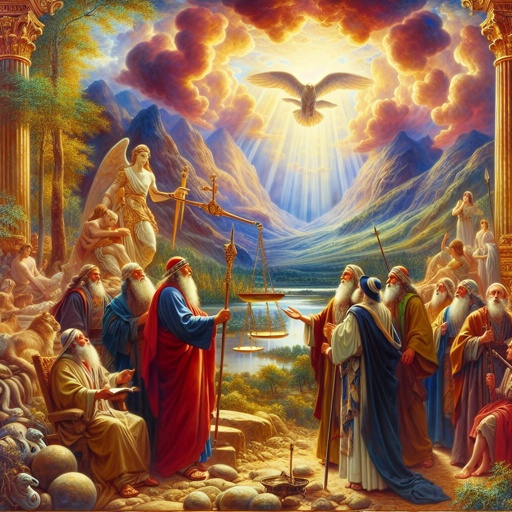
Exodus 13:11 - "¶ And it shall be when the LORD shall bring thee into the land of the Canaanites, as he sware unto thee and to thy fathers, and shall give it thee,"

Exodus 32:11 - "And Moses besought the LORD his God, and said, LORD, why doth thy wrath wax hot against thy people, which thou hast brought forth out of the land of Egypt with great power, and with a mighty hand?"

Exodus 32:31-32 So Moses returned to the LORD and said, “Oh, what a great sin these people have committed! They have made gods of gold for themselves. / Yet now, if You would only forgive their sin.... But if not, please blot me out of the book that You have written.” Exodus 32:31-32

Exodus 32:13 - "Remember Abraham, Isaac, and Israel, thy servants, to whom thou swarest by thine own self, and saidst unto them, I will multiply your seed as the stars of heaven, and all this land that I have spoken of will I give unto your seed, and they shall inherit it for ever."

Exodus 32:32 - "Yet now, if thou wilt forgive their sin--; and if not, blot me, I pray thee, out of thy book which thou hast written."

Exodus 23:32 - "Thou shalt make no covenant with them, nor with their gods."

Exodus 35:32 - "And to devise curious works, to work in gold, and in silver, and in brass,"

Exodus 9:32 - "But the wheat and the rie were not smitten: for they were not grown up."

The Plague of Flies - Exodus 8:20-32

The Plague of Flies - Exodus 8:20-32.

The Plague of Flies - Exodus 8:20-32

Exodus 32:35 - "And the LORD plagued the people, because they made the calf, which Aaron made."

Nehemiah 11:32 - "And at Anathoth, Nob, Ananiah,"
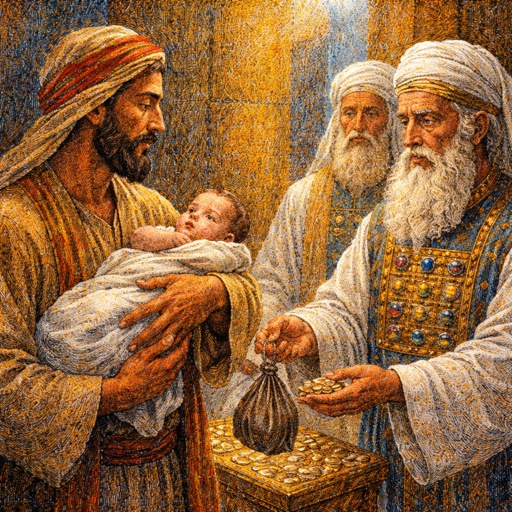
in the context of Exodus 13:11-15, draw an image of a man presenting his firstborn infant son to the priests, and giving him a sum of money in order to redeem the child.
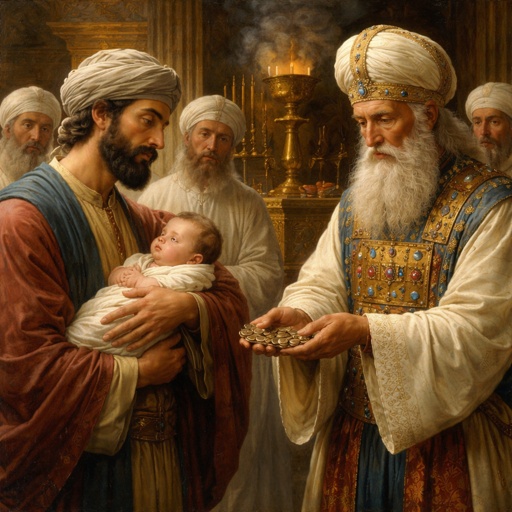
in the context of Exodus 13:11-15, draw an image of a man presenting his firstborn infant son to the priests, and giving him a sum of money in order to redeem the child.

Romans 11:25-32

Luke 15:11-32
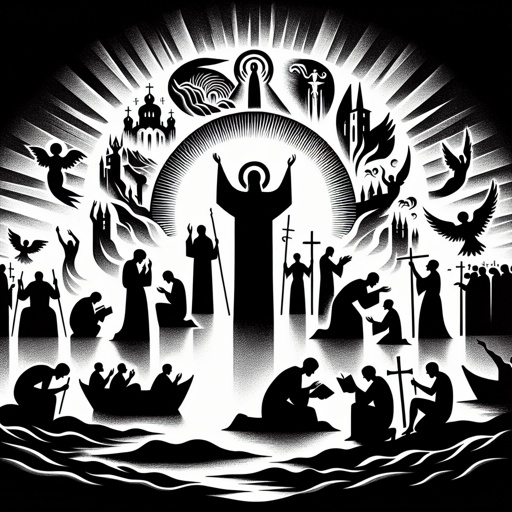
Psalm 1:1-3

Exodus 32:16 - "And the tables were the work of God, and the writing was the writing of God, graven upon the tables."
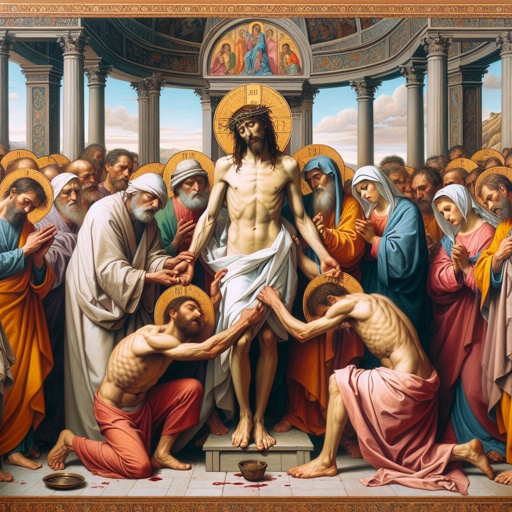
Pain 1:1-3

Exodus 32:14 - "And the LORD repented of the evil which he thought to do unto his people."

Exodus 32:9 - "And the LORD said unto Moses, I have seen this people, and, behold, it is a stiffnecked people:"

Jeremiah 32:13 - "¶ And I charged Baruch before them, saying,"

1 Kings 11:29-32

Exodus 29:32 - "And Aaron and his sons shall eat the flesh of the ram, and the bread that is in the basket, by the door of the tabernacle of the congregation."

Exodus 8:32 - "And Pharaoh hardened his heart at this time also, neither would he let the people go."

Exodus 36:32 - "And five bars for the boards of the other side of the tabernacle, and five bars for the boards of the tabernacle for the sides westward."