What does Exodus 32:33 mean?
“And the LORD said unto Moses, Whosoever hath sinned against me, him will I blot out of my book.” — Exodus 32:33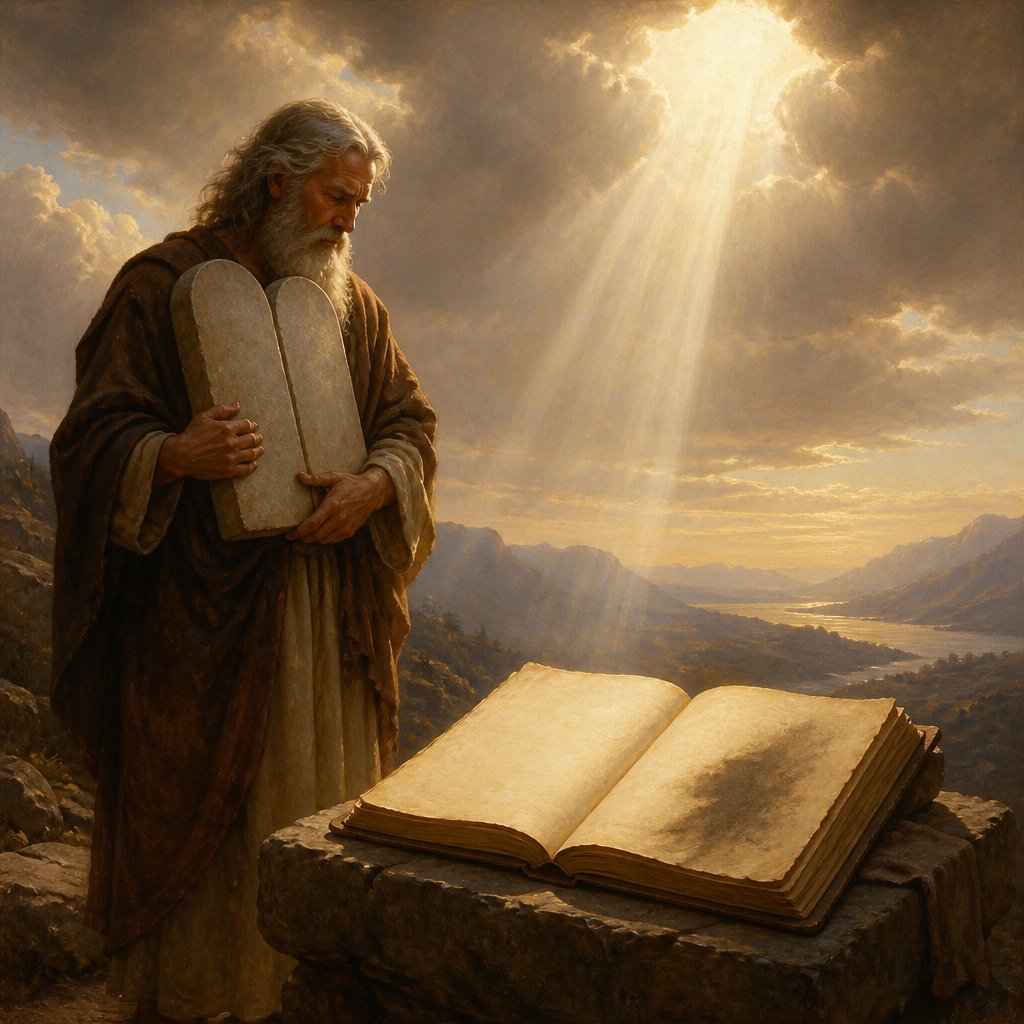
Exodus 32:33 (KJV) says, "And the Lord said unto Moses, Whosoever hath sinned against me, him will I blot out of my book."
This verse comes in the context of the Israelites' worship of the golden calf, an act of disobedience to God's commandments. In this verse, God is conveying to Moses his intention to punish those who have sinned against him by removing them from his book.
The themes present in this verse include sin, punishment, and the concept of being "blotted out" of God's book. It reveals God's justice and righteousness, as well as his expectation for his people to obey his commandments and live righteous lives.
The context of this verse is crucial to understanding its significance. In Exodus 32, we read about the Israelites' impatience and unfaithfulness while waiting for Moses to come down from Mount Sinai with the Ten Commandments. In his absence, they turned to idolatry and worshiped a golden calf, an act that greatly displeased God. When Moses returned and witnessed their disobedience, he interceded on behalf of the people, pleading with God to forgive them. Despite Moses' intervention, God made it clear that there would be consequences for their sin.
This verse also has broader theological implications. The idea of being "blotted out of God's book" ties into the concept of the Book of Life, a recurring motif in the Bible. The Book of Life is a record of those who are saved and have eternal life with God. Being blotted out of this book symbolizes being cut off from God's grace and mercy, facing spiritual death and separation from Him.
The imagery of being "blotted out" is significant in ancient Hebrew culture. In ancient times, scribes would write on parchment using ink made from a mixture of gall nuts and iron, which would form a durable, permanent mark. However, this ink could be erased with a sponge or other means, leaving behind no trace of the original writing. This concept is echoed in the New Testament, where Jesus tells his disciples that their names should be written in heaven (Luke 10:20), emphasizing the importance of being recorded in the Book of Life.
The verse also serves as a warning to those who continue in sin and disobedience. God's justice demands that sin be punished, and those who persist in rebellion against him will face the consequences. However, it also speaks to God's mercy and willingness to forgive those who repent and turn back to him, as we see in the larger narrative of the Bible.
In conclusion, Exodus 32:33 is a verse that conveys the seriousness of sin and the consequences of disobedience to God. It emphasizes the importance of repentance and obedience, while also pointing to God's justice and mercy. The concept of being "blotted out" of God's book carries significant symbolism, representing spiritual death and separation from God. Ultimately, this verse serves as a reminder of the importance of living in righteousness and seeking reconciliation with God.
Get our apps


Artwork for Exodus 32:33

Exodus 32:33 - "And the LORD said unto Moses, Whosoever hath sinned against me, him will I blot out of my book."
"And the LORD said unto Moses, Whosoever hath sinned against me, him will I blot out of my book." - Exodus 32:33

Numbers 32:33

Deuteronomy 32:33 - "Their wine is the poison of dragons, and the cruel venom of asps."

Exodus 12:33

Numbers 33:32 - "And they removed from Bene-jaakan, and encamped at Hor-hagidgad."

Exodus 32:28

Exodus 26:31-33

Exodus 32:31-32 So Moses returned to the LORD and said, “Oh, what a great sin these people have committed! They have made gods of gold for themselves. / Yet now, if You would only forgive their sin.... But if not, please blot me out of the book that You have written.” Exodus 32:31-32

Job 33:32 - "If thou hast any thing to say, answer me: speak, for I desire to justify thee."

Exodus 33:6 - "And the children of Israel stripped themselves of their ornaments by the mount Horeb."

Exodus 32:32 - "Yet now, if thou wilt forgive their sin--; and if not, blot me, I pray thee, out of thy book which thou hast written."

"Their wine is the poison of dragons, and the cruel venom of asps." - Deuteronomy 32:33

Exodus 23:32 - "Thou shalt make no covenant with them, nor with their gods."

Exodus 35:32 - "And to devise curious works, to work in gold, and in silver, and in brass,"

Exodus 9:32 - "But the wheat and the rie were not smitten: for they were not grown up."

The Plague of Flies - Exodus 8:20-32

The Plague of Flies - Exodus 8:20-32.

The Plague of Flies - Exodus 8:20-32

Exodus 33:18 - "And he said, I beseech thee, shew me thy glory."

"And they removed from Bene-jaakan, and encamped at Hor-hagidgad." - Numbers 33:32

Exodus 32:35 - "And the LORD plagued the people, because they made the calf, which Aaron made."

Exodus 33:21 - "And the LORD said, Behold, there is a place by me, and thou shalt stand upon a rock:"

Exodus 33:14 - "And he said, My presence shall go with thee, and I will give thee rest."

Exodus 32:16 - "And the tables were the work of God, and the writing was the writing of God, graven upon the tables."

Exodus 34:33 - "And till Moses had done speaking with them, he put a vail on his face."

Exodus 35:33 - "And in the cutting of stones, to set them, and in carving of wood, to make any manner of cunning work."

Exodus 36:33 - "And he made the middle bar to shoot through the boards from the one end to the other."

Exodus 32:14 - "And the LORD repented of the evil which he thought to do unto his people."

Exodus 33:15 - "And he said unto him, If thy presence go not with me, carry us not up hence."