What does Exodus 34:20 mean?
“But the firstling of an ass thou shalt redeem with a lamb: and if thou redeem him not, then shalt thou break his neck. All the firstborn of thy sons thou shalt redeem. And none shall appear before me empty.” — Exodus 34:20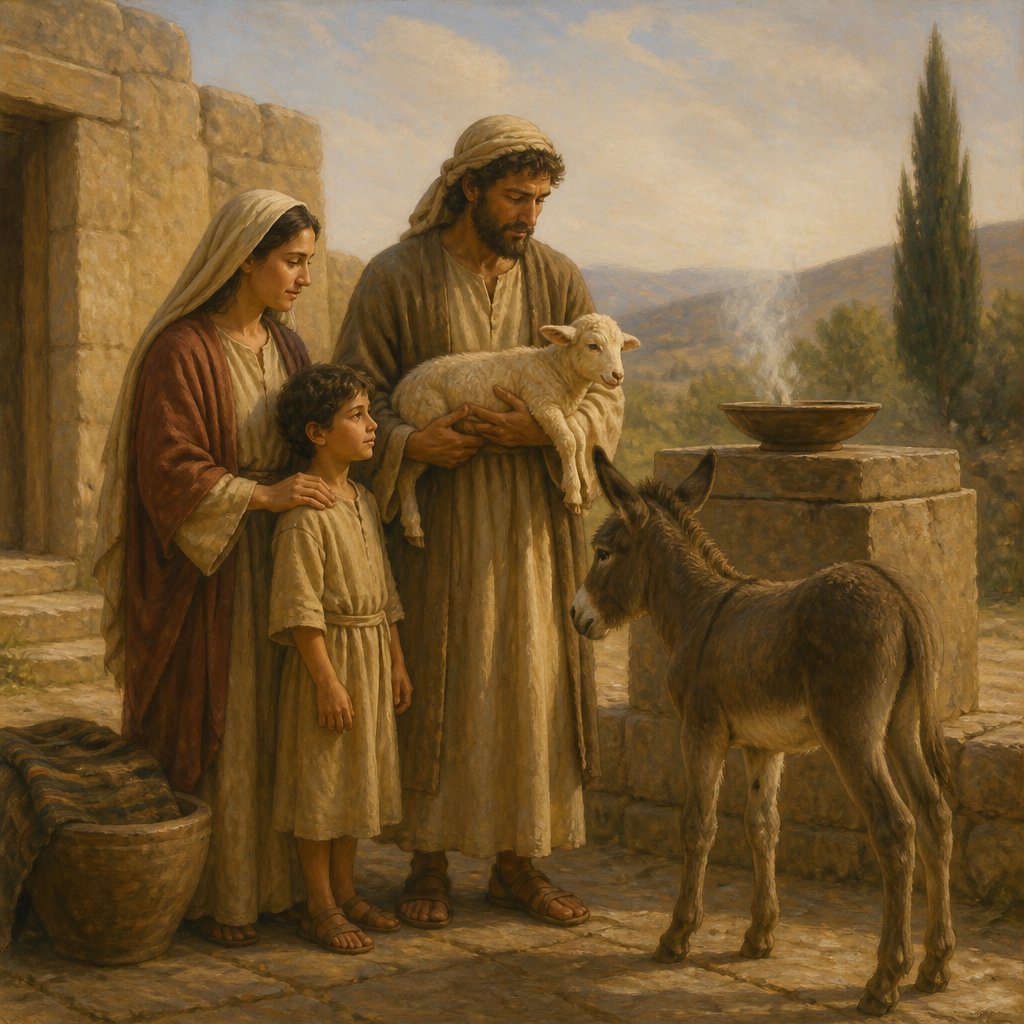
Exodus 34:20 (KJV) states, "But the firstling of an ass thou shalt redeem with a lamb: and if thou redeem him not, then shalt thou break his neck. All the firstborn of thy sons thou shalt redeem. And none shall appear before me empty."
This verse is part of a larger passage in the book of Exodus which recounts the covenant that God makes with the people of Israel. In this chapter, God commands Moses to chisel two stone tablets and to meet with Him on Mount Sinai. While there, God reveals His name and describes the terms of His covenant with the Israelites, including instructions for keeping the Sabbath, observing the feasts of Passover, Unleavened Bread, and Firstfruits, and the prohibition of making a covenant with the inhabitants of Canaan.
The verse in question specifically addresses the issue of "firstborn" animals and sons. It outlines the requirement for the Israelites to redeem their firstborn donkey with a lamb, and if they choose not to redeem it, they must break its neck. Additionally, all firstborn sons must also be redeemed, and nobody should appear before God empty-handed.
The first part of the verse deals with the concept of redemption and substitution. The idea here is that the firstborn of every animal belongs to God and must be redeemed with a sacrificial lamb. This ceremony represents the transfer of ownership from God to the Israelites through the offering of a substitute. The donkey, being an unclean animal in Jewish tradition, required a lamb for redemption. This demonstrates God's grace and provision for all his creatures, whether clean or unclean, and the importance of offering a substitute to atone for sin.
The second part of the verse emphasizes the importance of redeeming the firstborn sons as well. In ancient Israelite culture, the firstborn son held a special status and was considered as belonging to God. However, instead of offering a substitute as with the animals, the sons were to be redeemed with a payment of money or a sacrificial offering. This practice served as a reminder of God's redemption of the Israelites from slavery in Egypt, and it also foreshadowed the ultimate redemption through the death of Jesus Christ.
The command for the Israelites not to appear before God empty-handed carries a deeper meaning as well. It is a demonstration of honor and respect for God, acknowledging His provision and blessing in their lives. It also reflects the principle of giving back to God a portion of what He has given to them, as a way of expressing gratitude and dependence on Him.
In a broader context, this verse is part of the larger theme of redemption, obedience, and God's covenant with His people. The concept of redemption runs throughout the Bible, ultimately finding its fulfillment in the person and work of Jesus Christ. The requirement for a substitutionary sacrifice underscores the need for atonement for sin, and the importance of God's provision for the redemption of His people.
Furthermore, this verse serves as a reminder of the holiness and justice of God. The consequences for not redeeming the firstborn donkey are severe, demonstrating God's expectation for obedience and the seriousness of disregarding His commands. This aspect of the verse also highlights the idea of God's justice and the need to take responsibility for one's actions.
In conclusion, Exodus 34:20 (KJV) is a verse that addresses the concepts of redemption, obedience, and the holiness of God within the context of His covenant with the Israelites. It highlights the importance of offering a substitute for atonement, the principle of giving back to God, and the consequences of disobedience. Ultimately, it points to the redemptive work of Jesus Christ and the need for all people to honor and obey God in all aspects of life.
Get our apps


Artwork for Exodus 34:20
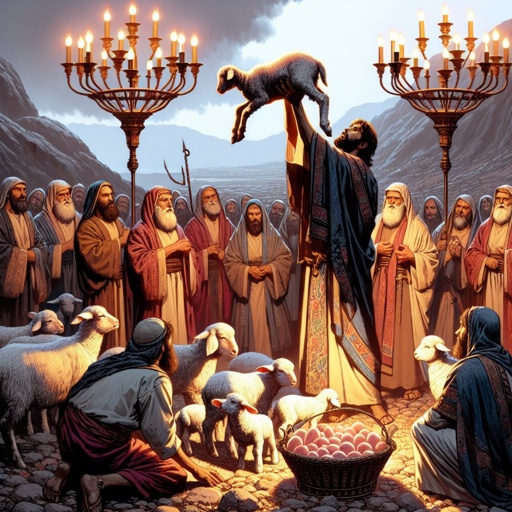
Exodus 34:20 - "But the firstling of an ass thou shalt redeem with a lamb: and if thou redeem him not, then shalt thou break his neck. All the firstborn of thy sons thou shalt redeem. And none shall appear before me empty."
"But the firstling of an ass thou shalt redeem with a lamb: and if thou redeem him not, then shalt thou break his neck. All the firstborn of thy sons thou shalt redeem. And none shall appear before me empty." - Exodus 34:20

Exodus 40: 34

Exodus 28:31-34

Exodus 28:31-34

Exodus 28:31-34

Matthew 20:29-34

Exodus 34:17 - "Thou shalt make thee no molten gods."

Lucas 20:34-35

Exodus 34:5 - "And the LORD descended in the cloud, and stood with him there, and proclaimed the name of the LORD."

Exodus 40:34 - "¶ Then a cloud covered the tent of the congregation, and the glory of the LORD filled the tabernacle."

Numbers 34:20 - "And of the tribe of the children of Simeon, Shemuel the son of Ammihud."

Exodus 34:8 - "And Moses made haste, and bowed his head toward the earth, and worshipped."

Exodus 34:13 - "But ye shall destroy their altars, break their images, and cut down their groves:"

Psalms 34:20 - "He keepeth all his bones: not one of them is broken."

Exodus 34:33 - "And till Moses had done speaking with them, he put a vail on his face."

Exodus 34:14 - "For thou shalt worship no other god: for the LORD, whose name is Jealous, is a jealous God:"

Exodus 26:34 - "And thou shalt put the mercy seat upon the ark of the testimony in the most holy place."

Exodus 34:34 - "But when Moses went in before the LORD to speak with him, he took the vail off, until he came out. And he came out, and spake unto the children of Israel that which he was commanded."

Exodus 16:34 - "As the LORD commanded Moses, so Aaron laid it up before the Testimony, to be kept."

Exodus 25:34 - "And in the candlestick shall be four bowls made like unto almonds, with their knops and their flowers."

Exodus 39:34 - "And the covering of rams' skins dyed red, and the covering of badgers' skins, and the vail of the covering,"

Exodus 12:34 - "And the people took their dough before it was leavened, their kneadingtroughs being bound up in their clothes upon their shoulders."

Exodus 36:34 - "And he overlaid the boards with gold, and made their rings of gold to be places for the bars, and overlaid the bars with gold."

Exodus 34:22 - "¶ And thou shalt observe the feast of weeks, of the firstfruits of wheat harvest, and the feast of ingathering at the year's end."

Exodus 28:34 - "A golden bell and a pomegranate, a golden bell and a pomegranate, upon the hem of the robe round about."

Exodus 23:20

Exodus 20:2

Exodus 27:20

Exodus 27:20