What does Exodus 6:14 mean?
“These be the heads of their fathers’ houses: The sons of Reuben the firstborn of Israel; Hanoch, and Pallu, Hezron, and Carmi: these be the families of Reuben.” — Exodus 6:14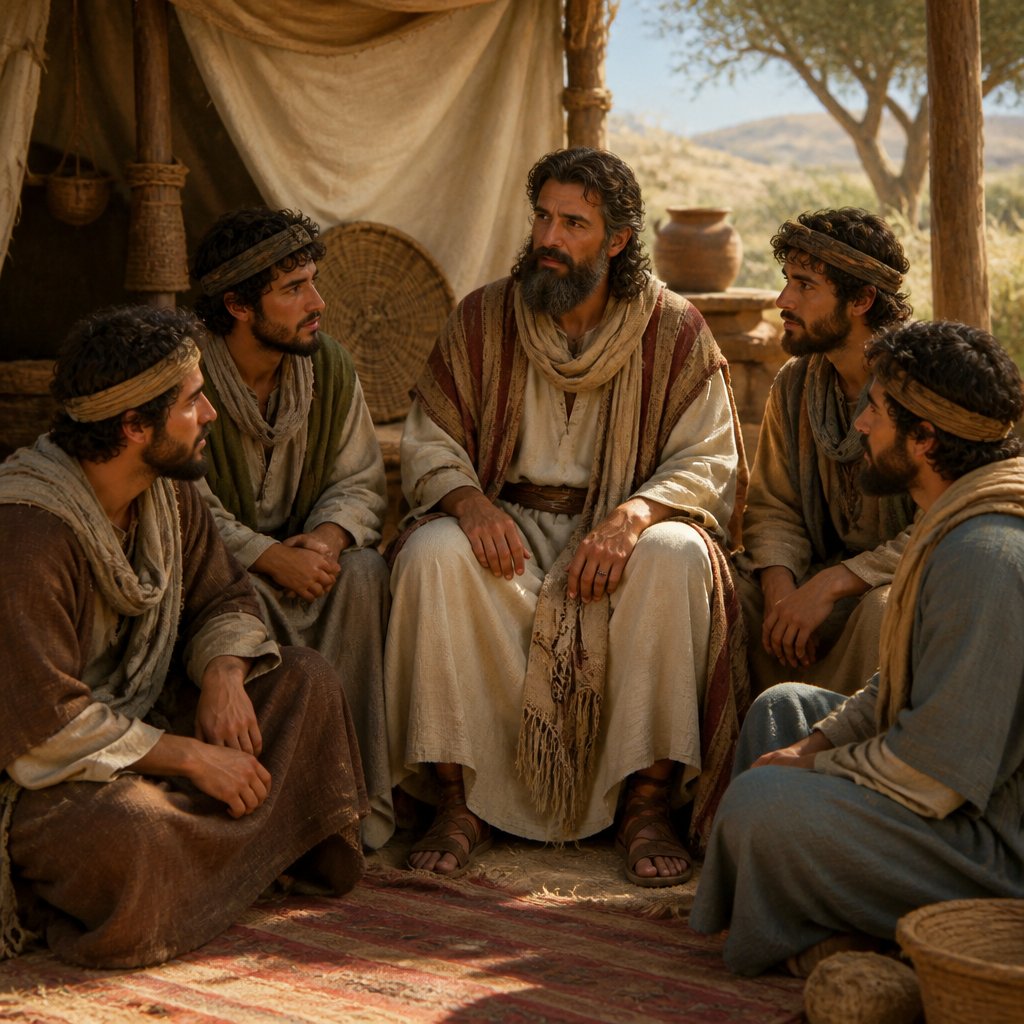
Exodus 6:14 (KJV)
"These be the heads of their fathers' houses: The sons of Reuben the firstborn of Israel; Hanoch, and Pallu, Hezron, and Carmi: these be the families of Reuben."
The book of Exodus is the second book of the Bible and records the story of the Israelites' deliverance from slavery in Egypt and their journey to the Promised Land. This particular verse is part of a genealogy that lists the heads of the 12 tribes of Israel, starting with Reuben, the firstborn of Jacob (also known as Israel).
In this verse, the focus is on the descendants of Reuben, who was the eldest son of Jacob and Leah. Reuben's four sons are listed: Hanoch, Pallu, Hezron, and Carmi. This genealogy serves to establish the lineage of the Israelite tribes, tracing their ancestry back to their patriarchs. It is a way of solidifying their identity as a people and highlighting the fulfillment of God's promises to their forefathers.
One of the prominent themes in this verse is the concept of lineage and family. In ancient Hebrew culture, lineage was of utmost importance, as it determined one's inheritance, social status, and even religious responsibilities. The mention of Reuben's descendants serves as a reminder of the Israelites' collective heritage and their connection to their founding fathers. It also signifies the continuation of God's covenant with the descendants of Abraham, Isaac, and Jacob, as He had promised to make them into a great nation.
Furthermore, the genealogy presented in this verse reflects the meticulous record-keeping and organization of the Israelite community. Each tribe had its own distinct identity and responsibilities within the larger framework of the nation. By documenting the lineage of Reuben and the other tribes, the text emphasizes the order and structure within the community, as well as the importance of honoring and preserving their heritage.
Symbolically, the names of Reuben's sons hold significance as well. In Hebrew culture, names often carried meaning and reflected the circumstances of a person's birth or their parents' hopes for their future. "Hanoch" can mean "dedicated" or "initiated", suggesting a sense of purpose and commitment. "Pallu" could be derived from a root meaning "distinguished" or "wonderful", indicating a sense of uniqueness or distinction. "Hezron" may mean "enclosed" or "surrounded", hinting at a sense of protection or providence. "Carmi" could be related to the word for "vineyard" or "garden", symbolizing fertility and abundance.
From a contextual standpoint, this verse comes at a crucial moment in the narrative of Exodus. The Israelites are still in the early stages of their journey, and their identity as a nation is still taking shape. By listing the heads of the tribes, the text reinforces the unity and cohesion of the Israelite community as they prepare to embark on their exodus from Egypt. It also sets the stage for the establishment of the priesthood and the allocation of land once they reach their destination.
In conclusion, Exodus 6:14 serves as a testament to the importance of lineage, family, and heritage within the Israelite community. It emphasizes the fulfillment of God's promises to the patriarchs and underscores the unity and distinction of the 12 tribes of Israel. The genealogy presented in this verse lays the groundwork for the nation's future and reflects the enduring significance of their ancestral roots.
Get our apps


Artwork for Exodus 6:14

Exodus 6:14 - "¶ These be the heads of their fathers' houses: The sons of Reuben the firstborn of Israel; Hanoch, and Pallu, Hezron, and Carmi: these be the families of Reuben."
"¶ These be the heads of their fathers' houses: The sons of Reuben the firstborn of Israel; Hanoch, and Pallu, Hezron, and Carmi: these be the families of Reuben." - Exodus 6:14

Exodus 14:6 - "And he made ready his chariot, and took his people with him:"
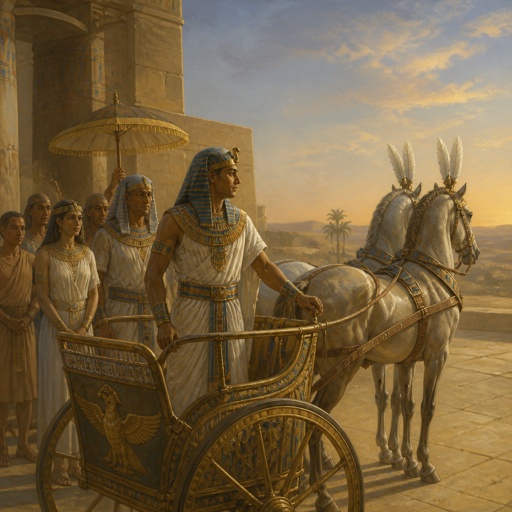
"And he made ready his chariot, and took his people with him:" - Exodus 14:6

Exodus 14

Exodus 14:13

Exodus 14:13

Exodus 14: 21

Exodus 14:13

Exodus 14:13

Exodus 14:13

Exodus 14:13

Exodus 14:13
Exodus 14:13

Exodus 14:13

Exodus 14:13
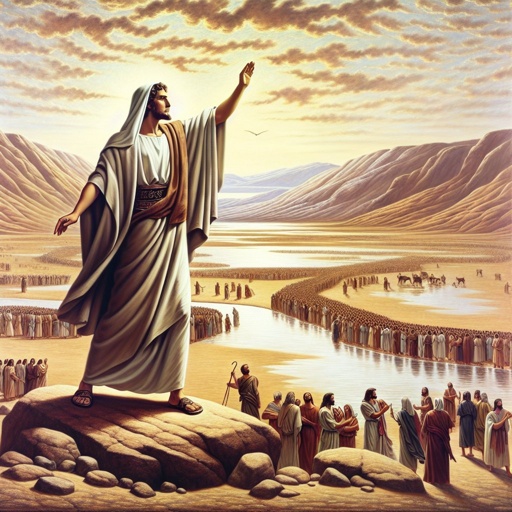
Exodus 14:13
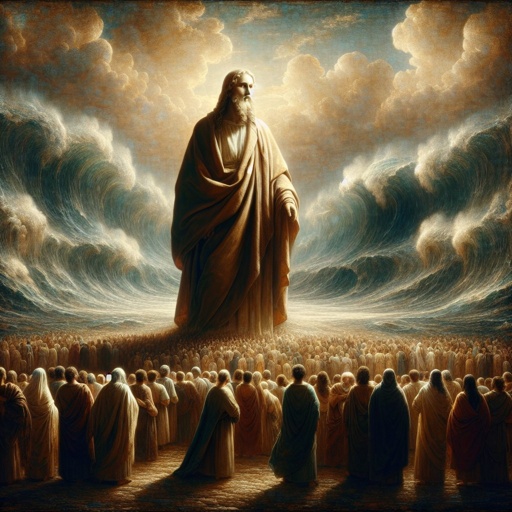
Exodus 14:13
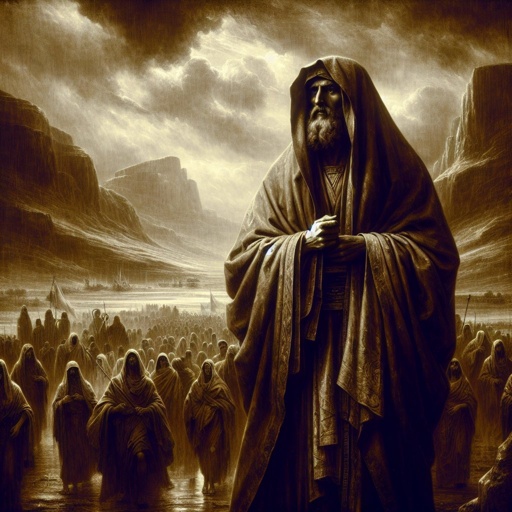
Exodus 14:13
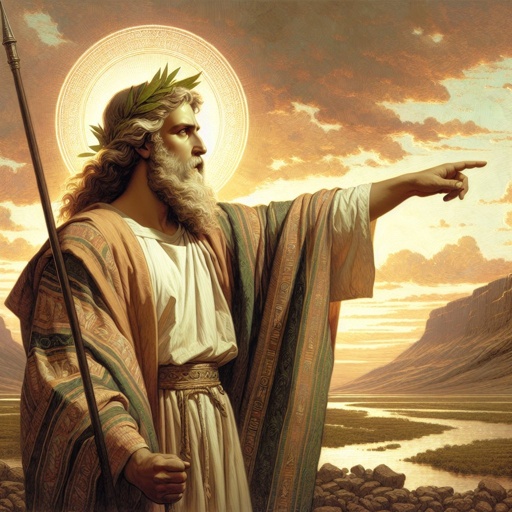
Exodus 14:13

Exodus 3:14

Exodus 3:14

Exodus 14:13

Exodus 14:13

Exodus 3:14

Exodus 14:13

exodus 3:14

Exodus 14:13

Exodus 14:13

Exodus 20:14