What does Exodus 6:27 mean?
“These are they which spake to Pharaoh king of Egypt, to bring out the children of Israel from Egypt: these are that Moses and Aaron.” — Exodus 6:27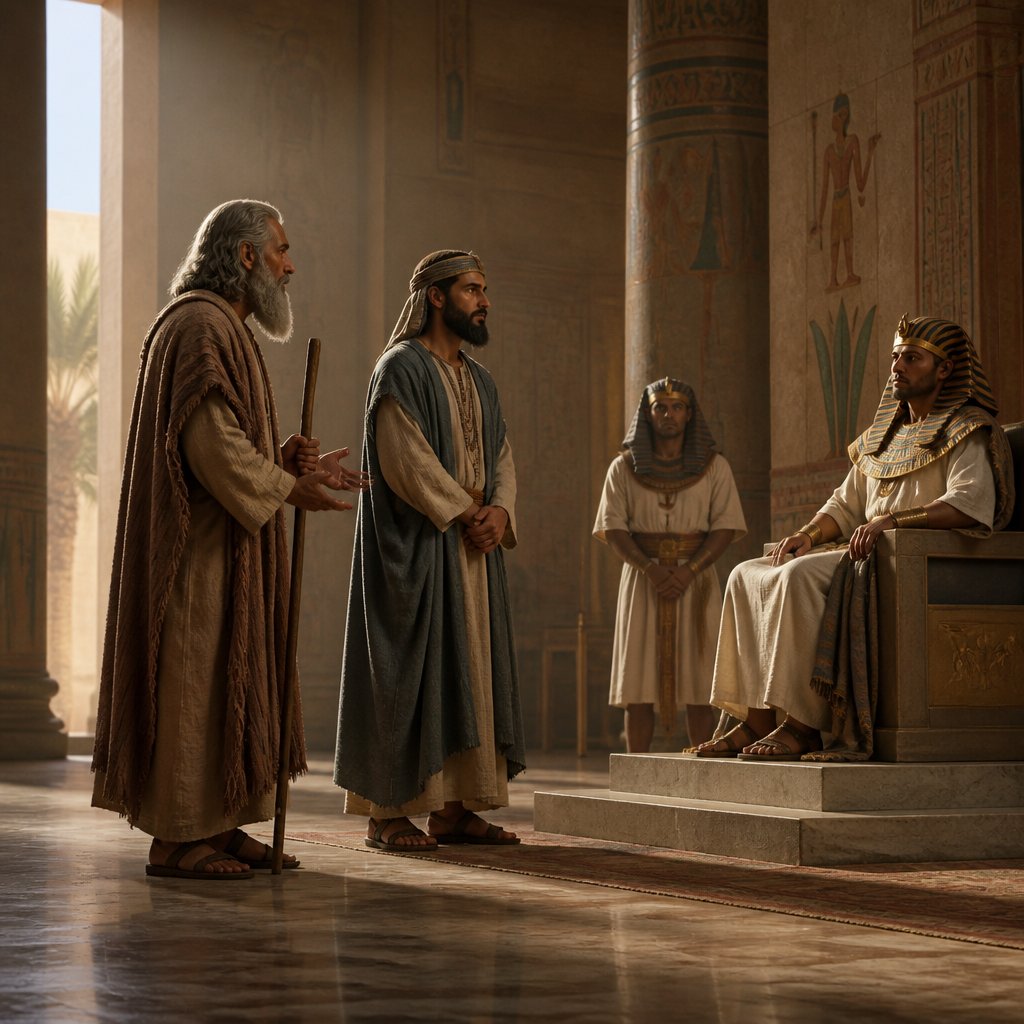
Exodus 6:27 (KJV) reads, "These are they which spake to Pharaoh king of Egypt, to bring out the children of Israel from Egypt: these are that Moses and Aaron." This verse is a part of the larger context of the story of the Israelites' exodus from Egypt, which is one of the central narratives of the Old Testament.
The book of Exodus recounts the story of how God delivered the Israelites from slavery in Egypt and led them to the promised land of Canaan. Exodus 6:27 is situated within a section of the book that describes the interactions between Moses, Aaron, and Pharaoh as they attempt to secure the release of the Israelites from bondage.
In this verse, Moses and Aaron are identified as the individuals who spoke to Pharaoh and demanded the freedom of the Israelites. It is important to note the significance of their roles in this story. Moses, who was chosen by God to lead the Israelites out of Egypt, is a central figure in the narrative of the exodus. He is seen as a prophet, leader, and lawgiver, and his actions are often seen as divinely inspired. Aaron, his brother, serves as his spokesperson, aiding him in his interactions with Pharaoh and the Israelites.
The verse can be seen as a reminder of the courage and faithfulness of Moses and Aaron. Despite the formidable power of Pharaoh and the Egyptians, Moses and Aaron fearlessly approached the king of Egypt and demanded the release of their people. Their willingness to speak truth to power and their commitment to the cause of liberation for the Israelites are admirable qualities that serve as an example for believers.
The broader context of this verse, the story of the exodus, is rich with themes and symbolism that have been interpreted in various ways by theologians, scholars, and religious leaders. One of the central themes of the exodus narrative is liberation and redemption. The Israelites' deliverance from bondage in Egypt is seen as a powerful demonstration of God's compassion, justice, and faithfulness to his covenant with his people.
Moreover, the exodus story is often understood as a paradigm for the human experience of oppression, struggle, and liberation. It serves as a powerful symbol of hope for those who are facing injustice or hardship, reminding them that God hears the cries of the oppressed and works to bring about their deliverance.
The confrontation between Moses, Aaron, and Pharaoh in this verse also carries symbolic significance. It represents the clash between the forces of oppression and the prophets of God, illustrating the conflict between the divine will for justice and the arrogance of human rulers. The struggle to secure the freedom of the Israelites serves as a metaphor for the broader ethical and spiritual struggle for justice and righteousness in the world.
Beyond its historical and moral significance, the exodus narrative and the verse in question also hold theological significance in the Christian tradition. The story of the Israelites' liberation from Egypt is often seen as a prefiguration of the ultimate liberation brought about by Jesus Christ. Just as the Israelites were delivered from slavery, Christians believe that Jesus has delivered humanity from the bondage of sin and death.
In conclusion, Exodus 6:27 is a verse with deep theological, moral, and historical significance. It is a reminder of the faithfulness and courage of Moses and Aaron, as well as a symbol of hope and liberation for those facing oppression. The verse and the broader context of the exodus story continue to inspire and challenge believers to seek justice, uphold righteousness, and trust in God's promise to deliver the oppressed.
Get our apps


Artwork for Exodus 6:27

Exodus 6:27 - "These are they which spake to Pharaoh king of Egypt, to bring out the children of Israel from Egypt: these are that Moses and Aaron."
"These are they which spake to Pharaoh king of Egypt, to bring out the children of Israel from Egypt: these are that Moses and Aaron." - Exodus 6:27
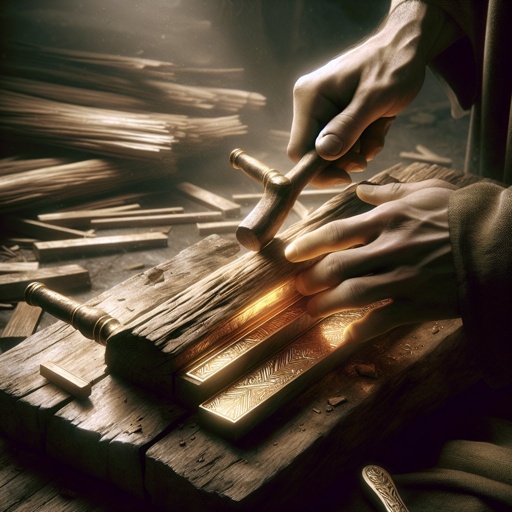
Exodus 27:6 - "And thou shalt make staves for the altar, staves of shittim wood, and overlay them with brass."
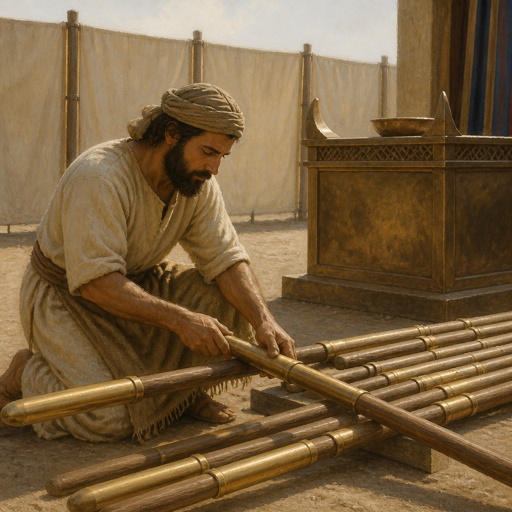
"And thou shalt make staves for the altar, staves of shittim wood, and overlay them with brass." - Exodus 27:6

Exodus 27:20

Exodus 27:20

Exodus 27:20

Exodus 27:19-20

Exodus 27:1-8

Exodus 23:27-28

exodus 27:3 forks

Exodus 27:19-21

Exodus 27:20 the lamp is made of brass

Exodus 36:27 - "And for the sides of the tabernacle westward he made six boards."

Exodus 35:27 - "And the rulers brought onyx stones, and stones to be set, for the ephod, and for the breastplate;"

Exodus 27:13 - "And the breadth of the court on the east side eastward shall be fifty cubits."

Exodus 40:27 - "And he burnt sweet incense thereon; as the LORD commanded Moses."

Exodus 25:27 - "Over against the border shall the rings be for places of the staves to bear the table."

Exodus 30:27 - "And the table and all his vessels, and the candlestick and his vessels, and the altar of incense,"

luke 6: 27

Job 27:6

Exodus 10:27 - "¶ But the LORD hardened Pharaoh's heart, and he would not let them go."

Exodus 39:27 - "¶ And they made coats of fine linen of woven work for Aaron, and for his sons,"

Exodus 27:15 - "And on the other side shall be hangings fifteen cubits: their pillars three, and their sockets three."

Exodus 27:7 - "And the staves shall be put into the rings, and the staves shall be upon the two sides of the altar, to bear it."

Exodus 16:27 - "¶ And it came to pass, that there went out some of the people on the seventh day for to gather, and they found none."

Exodus 27:14 - "The hangings of one side of the gate shall be fifteen cubits: their pillars three, and their sockets three."

Luke 6: 27-38

Exodus 17:6

Exodus 17:6