What does Exodus 7:3 mean?
“And I will harden Pharaoh’s heart, and multiply my signs and my wonders in the land of Egypt.” — Exodus 7:3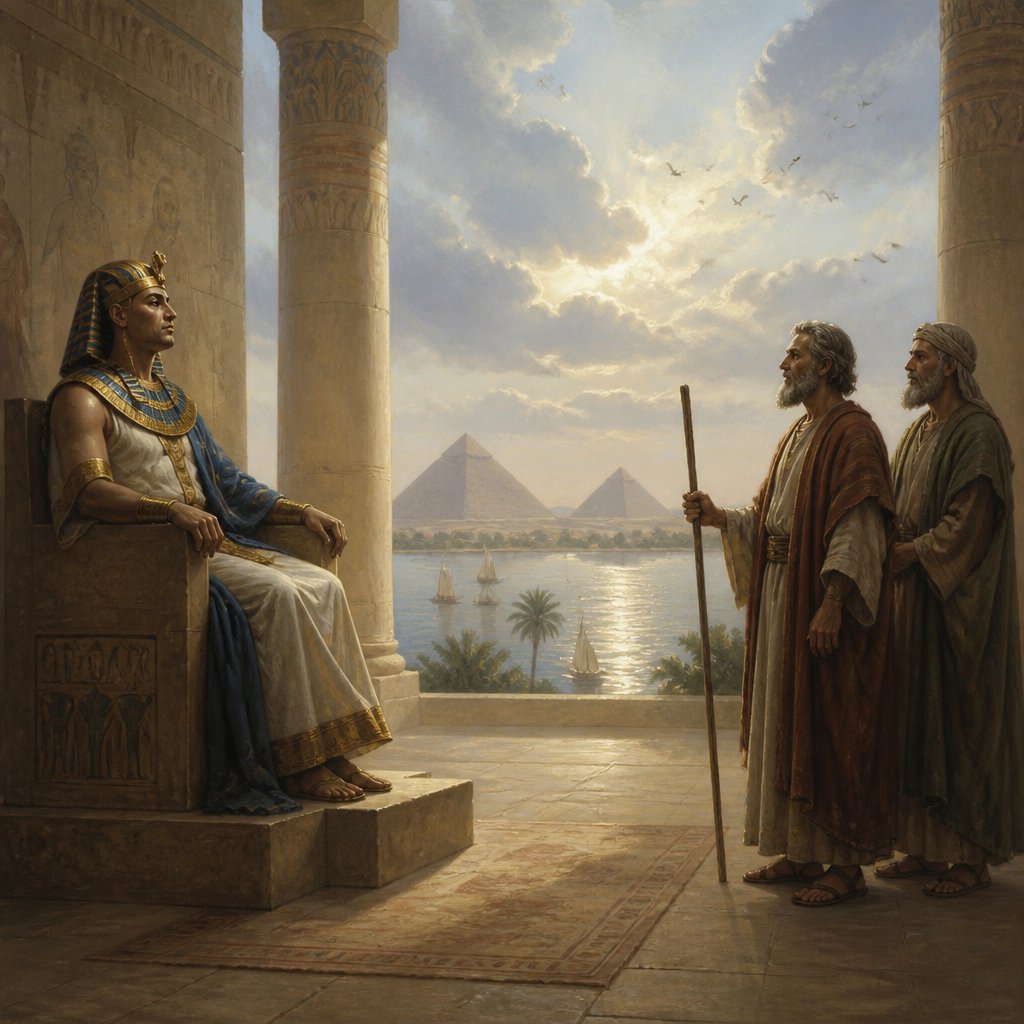
Exodus 7:3 from the King James Version of the Bible states, "And I will harden Pharaoh's heart, and multiply my signs and my wonders in the land of Egypt."
This verse is a part of the larger narrative of the book of Exodus, which tells the story of the Israelites' enslavement in Egypt and their eventual liberation by God through the leadership of Moses. The verse comes at a pivotal moment in the story when God is preparing to bring about the ten plagues upon Egypt in order to free His people from bondage.
The verse begins with God declaring that He will harden Pharaoh's heart. This phrase has been a source of much debate and controversy among theologians and scholars. Some interpret it to mean that God actively interfered with Pharaoh's free will, causing him to stubbornly refuse to let the Israelites go, while others view it as a natural consequence of Pharaoh's own pride and arrogance. In either case, the hardening of Pharaoh's heart serves as a way for God to demonstrate His power and glory through the miraculous signs and wonders that He is about to perform.
The second part of the verse speaks to the multiplication of God's signs and wonders in the land of Egypt. This foreshadows the series of supernatural plagues that God will unleash upon the Egyptians, each one more devastating than the last, in order to convince Pharaoh to release the Israelites. These miraculous acts serve as a demonstration of God's authority over the natural world and His ability to protect His people and fulfill His promises.
One of the central themes of this verse is the sovereignty and power of God. It emphasizes that God is in ultimate control of the events unfolding in Egypt and that He can and will use His power to accomplish His purposes. This message of divine sovereignty is a recurring theme throughout the book of Exodus, as God repeatedly displays His authority over nature, nations, and individuals in order to bring about the liberation of His people.
Another important theme in this verse is the concept of judgment. The hardening of Pharaoh's heart and the multiplication of signs and wonders are not merely displays of God's power, but also acts of judgment against the oppressive and idolatrous nation of Egypt. The plagues that follow serve as a form of divine retribution for the suffering and injustice endured by the Israelites, as well as a condemnation of the Egyptian gods and their inability to protect their followers.
The context of this verse is also significant in understanding its meaning. The Israelites had been enslaved in Egypt for generations, and their cries for deliverance had reached the ears of God. In response, God raised up Moses as their leader and sent him to Pharaoh with the command to let His people go. When Pharaoh repeatedly refused to obey, God began to demonstrate His power through a series of miraculous signs and wonders, culminating in the ten plagues.
Symbolism is also present in this verse, particularly in the hardening of Pharaoh's heart. Pharaoh represents the pride and arrogance of human rulers who oppose God and seek to oppress His people. The hardening of his heart serves as a symbol of the blindness and stubbornness that can come from a rejection of God's authority. On the other hand, the signs and wonders performed by God symbolize His ability to overcome and defeat the powers of this world, as well as His faithfulness to His promises and His people.
In conclusion, Exodus 7:3 is a powerful and significant verse that conveys the themes of God's sovereignty, judgment, and deliverance. It serves as a reminder of God's ability to intervene in human affairs and to bring about His purposes, even in the face of resistance and opposition. The verse also carries symbolic meaning through its portrayal of Pharaoh and the miraculous signs and wonders, highlighting the ongoing struggle between the kingdom of God and the forces of darkness. As a crucial part of the larger narrative of the book of Exodus, this verse sets the stage for the dramatic events that will unfold as God moves to liberate His people and demonstrate His power to the nations.
Get our apps


Artwork for Exodus 7:3

Exodus 7:3 - "And I will harden Pharaoh's heart, and multiply my signs and my wonders in the land of Egypt."
"And I will harden Pharaoh's heart, and multiply my signs and my wonders in the land of Egypt." - Exodus 7:3

Exodus 3:7 - "¶ And the LORD said, I have surely seen the affliction of my people which are in Egypt, and have heard their cry by reason of their taskmasters; for I know their sorrows;"
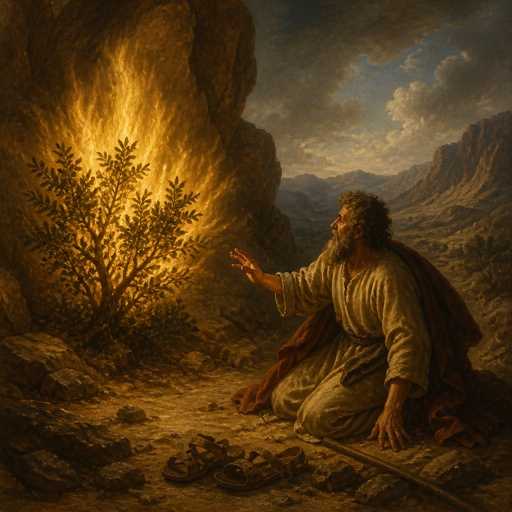
exodus 3

exodus 3

Exodus 7:10

Exodus 7:10

Exodus 12:7

Exodus 12:7

Exodus 3:12

Exodus 3:12

Exodus 17:3

Exodus 3:12

Exodus 3:12

Exodus 3:12

Exodus 7:14-24
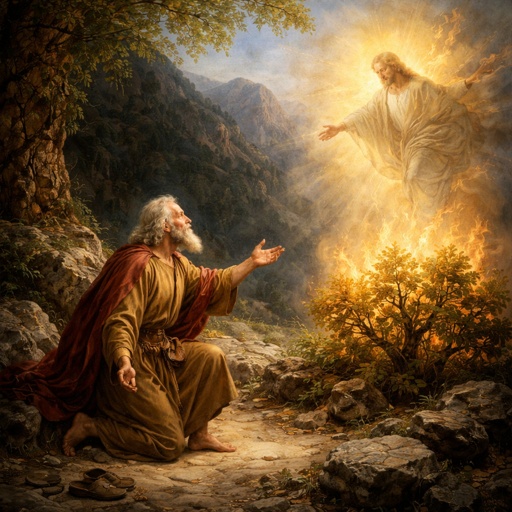
exodus 3:11

Exodus 3:14

Exodus 3:14

Exodus 3:14

exodus 3:14

Exodus 3:14

Exodus 17:3

Exodus 3:12

Exodus 3:12

Exodus 7:7 - "And Moses was fourscore years old, and Aaron fourscore and three years old, when they spake unto Pharaoh."

Exodus 1:3 - "Issachar, Zebulun, and Benjamin,"

exodus 27:3 forks

Exodus 25:7 - "Onyx stones, and stones to be set in the ephod, and in the breastplate."

Exodus 3:3 - "And Moses said, I will now turn aside, and see this great sight, why the bush is not burnt."