What does Exodus 8:27 mean?
“We will go three days’ journey into the wilderness, and sacrifice to the LORD our God, as he shall command us.” — Exodus 8:27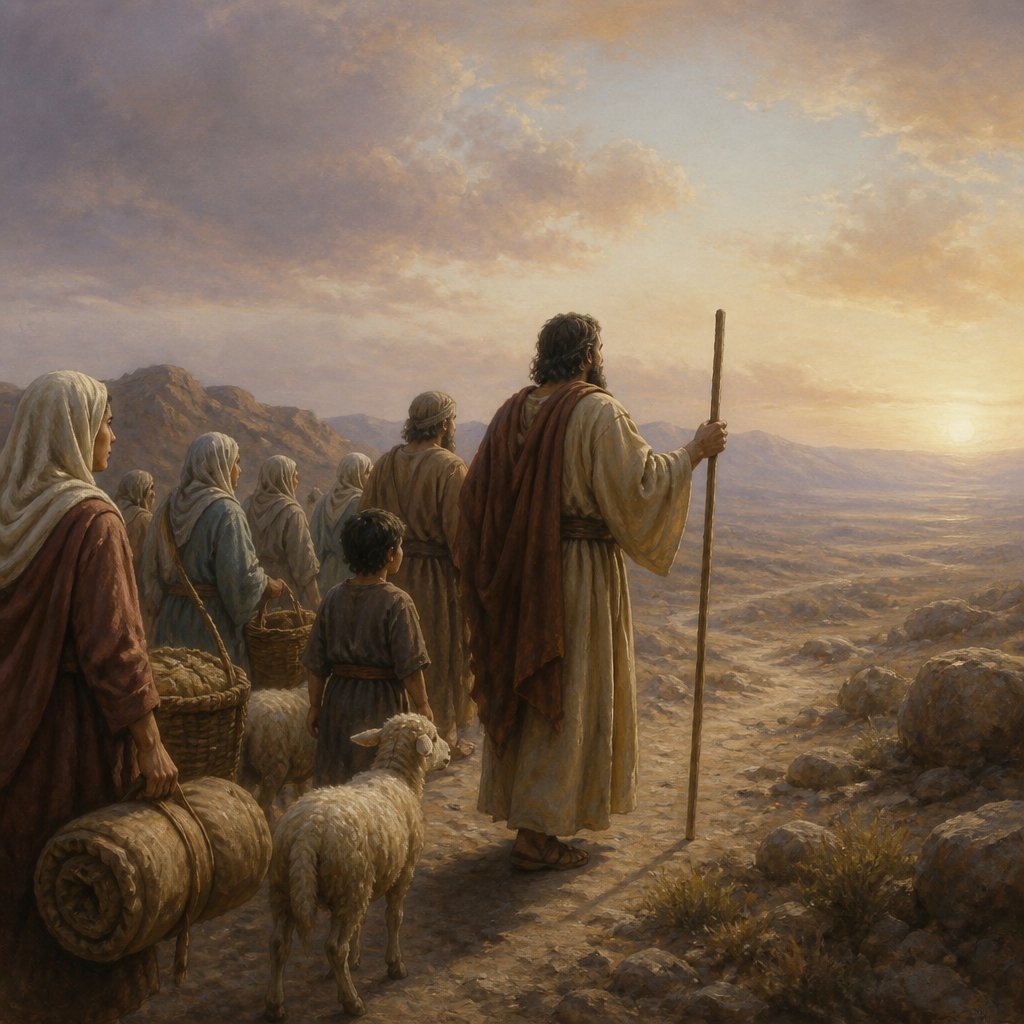
Exodus 8:27 in the King James Version of the Bible states, "We will go three days' journey into the wilderness, and sacrifice to the Lord our God, as he shall command us." This verse is part of the story of the exodus of the Israelites from Egypt, led by Moses, and is situated within the context of the plagues that God brought upon the land of Egypt in order to secure the release of the Israelite people.
In this verse, Moses speaks to Pharaoh on behalf of the Israelites, asking for permission to leave Egypt temporarily to worship and sacrifice to their God. This is a pivotal moment in the narrative, as it sets the stage for the ultimate liberation of the Israelites from their oppressive bondage in Egypt. The request for a three-day journey into the wilderness to worship God signifies the Israelites' commitment to their faith and their desire to honor and obey the commands of their God.
One of the central themes of this verse is the concept of obedience to God's will. The Israelites' willingness to follow God's commands and offer sacrifices demonstrates their devotion and commitment to their faith. It also serves as a reminder of the importance of worship and sacrifice as essential components of their relationship with God. This theme is further emphasized by the fact that Moses states that they will sacrifice "as he shall command us," indicating their obedience to the specific instructions that God will provide.
Another prominent theme in this verse is the notion of liberation and freedom. The Israelites' request to leave Egypt for a temporary pilgrimage into the wilderness reflects their longing for freedom from their enslavement. This theme is central to the broader narrative of the exodus, as it chronicles the Israelites' journey from captivity to liberation and their eventual arrival in the Promised Land. It also underscores the idea that worship and sacrifice are not only acts of devotion but also expressions of the Israelites' hope for a better future and the fulfillment of God's promise to deliver them from bondage.
The context of this verse within the larger story of the exodus is crucial to understanding its significance. The plagues that God inflicts upon the land of Egypt serve as a demonstration of His power and authority, as well as a means of compelling Pharaoh to release the Israelites. Each plague is a display of God's control over the natural world and a manifestation of His judgment against the Egyptians for their oppression of the Israelites. The request for permission to worship and sacrifice to God amidst these plagues represents a turning point in the confrontation between Moses and Pharaoh, signaling the impending release of the Israelites from their captivity.
The symbolism in this verse is multifaceted, representing both the Israelites' faith and devotion to God and their yearning for freedom. The three-day journey into the wilderness signifies a period of separation from the constraints of Egyptian society and a time for the Israelites to focus on their relationship with God. Additionally, the act of sacrifice carries symbolic significance, representing the Israelites' desire to show reverence and gratitude to God for His deliverance and provision.
In conclusion, Exodus 8:27 is a verse that holds deep theological, thematic, and symbolic significance within the narrative of the exodus. It encapsulates the themes of obedience, liberation, worship, and sacrifice, and serves as a pivotal moment in the Israelites' journey from captivity to freedom. This verse exemplifies the steadfast faith of the Israelites and emphasizes the central role of worship and devotion in their relationship with God.
Get our apps


Artwork for Exodus 8:27

Exodus 8:27 - "We will go three days' journey into the wilderness, and sacrifice to the LORD our God, as he shall command us."
"We will go three days' journey into the wilderness, and sacrifice to the LORD our God, as he shall command us." - Exodus 8:27

Exodus 27:1-8
Exodus 27:8 - "Hollow with boards shalt thou make it: as it was shewed thee in the mount, so shall they make it."
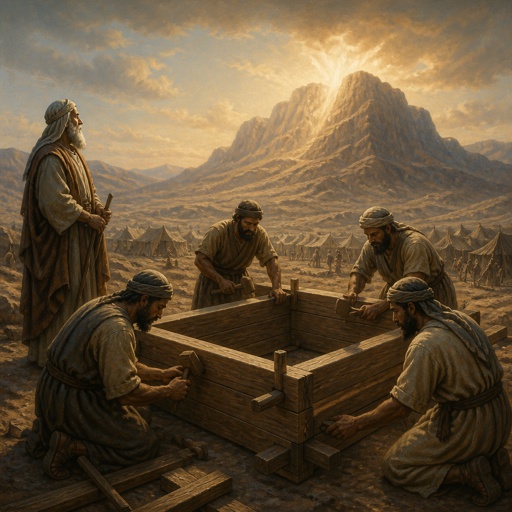
"Hollow with boards shalt thou make it: as it was shewed thee in the mount, so shall they make it." - Exodus 27:8

Exodus 27:20

Exodus 27:20

Exodus 27:20

Exodus 27:19-20

Exodus 23:27-28

exodus 27:3 forks

Exodus 27:19-21

Exodus 27:20 the lamp is made of brass

Exodus 36:27 - "And for the sides of the tabernacle westward he made six boards."

Exodus 35:27 - "And the rulers brought onyx stones, and stones to be set, for the ephod, and for the breastplate;"

Exodus 27:13 - "And the breadth of the court on the east side eastward shall be fifty cubits."

Psalm 27:8

Psalm 27:8

Exodus 40:27 - "And he burnt sweet incense thereon; as the LORD commanded Moses."

Exodus 25:27 - "Over against the border shall the rings be for places of the staves to bear the table."

Exodus 30:27 - "And the table and all his vessels, and the candlestick and his vessels, and the altar of incense,"

Exodus 10:27 - "¶ But the LORD hardened Pharaoh's heart, and he would not let them go."

Exodus 39:27 - "¶ And they made coats of fine linen of woven work for Aaron, and for his sons,"

Exodus 27:15 - "And on the other side shall be hangings fifteen cubits: their pillars three, and their sockets three."

Mark 8:27 - 35

Exodus 25:8

Exodus 27:7 - "And the staves shall be put into the rings, and the staves shall be upon the two sides of the altar, to bear it."

Exodus 16:27 - "¶ And it came to pass, that there went out some of the people on the seventh day for to gather, and they found none."

Exodus 27:14 - "The hangings of one side of the gate shall be fifteen cubits: their pillars three, and their sockets three."

Mark 8:27 - 35