What does Exodus 8:32 mean?
“And Pharaoh hardened his heart at this time also, neither would he let the people go.” — Exodus 8:32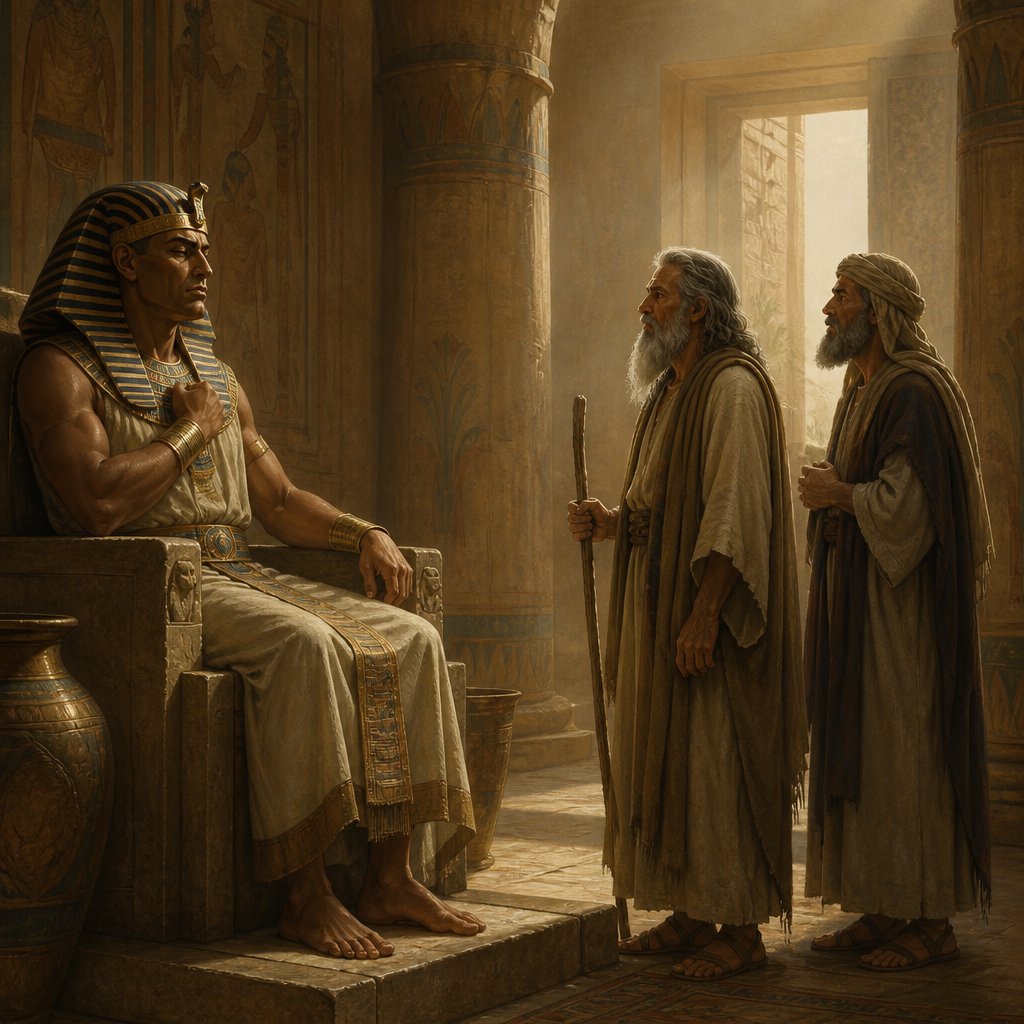
Exodus 8:32 (KJV) reads, "And Pharaoh hardened his heart at this time also, neither would he let the people go."
This verse comes from the story of Moses and the ten plagues in the book of Exodus, which recounts the enslavement and eventual liberation of the Israelites from Egypt. In this particular verse, we see Pharaoh's continued stubbornness and refusal to let the people of Israel go, despite witnessing the devastating consequences of the plagues sent by God.
The story of the ten plagues is a powerful narrative that emphasizes the sovereignty and power of God, as well as the consequences of human disobedience and stubbornness. In the context of this verse, Pharaoh's hardening of his heart is a recurring theme that demonstrates the extent of his pride and refusal to acknowledge the authority of God. Each time a plague strikes, Pharaoh is given an opportunity to repent and release the Israelites, but he consistently chooses to harden his heart instead.
The act of hardening one's heart is significant in the biblical narrative, as it symbolizes a deliberate decision to resist God's will and ignore His commandments. Throughout the book of Exodus, Pharaoh's hardened heart serves as a stark contrast to the obedience and faithfulness of Moses and the Israelites. It also serves as a cautionary tale for readers, warning them of the dangers of pride and obstinacy.
The broader context of the verse also highlights the theme of liberation and freedom. The Israelites were enslaved in Egypt for generations, and God's ultimate intention was to lead them out of bondage and into the promised land. Pharaoh's refusal to release the Israelites is a direct challenge to God's plan for their freedom, and his hardened heart represents a barrier to the fulfillment of God's promises.
In addition to the themes of pride, obedience, and liberation, the verse also carries significant symbolism. The hardening of Pharaoh's heart can be seen as a metaphor for the hardening of the human heart in general. It serves as a reminder of the dangers of spiritual stubbornness and the importance of remaining open to God's guidance and correction.
Furthermore, the verse can also be interpreted as a commentary on the nature of divine judgment. Pharaoh's refusal to release the Israelites ultimately leads to the escalation of the plagues and the suffering of the Egyptian people. In this sense, the verse serves as a reminder of the consequences of disobedience and the inevitability of divine justice.
Overall, Exodus 8:32 (KJV) is a powerful and thought-provoking verse that encapsulates a range of biblical themes and messages. It serves as a warning against the dangers of pride and disobedience, while also emphasizing the inevitability of God's plan for liberation and justice. The verse's enduring significance lies in its timeless portrayal of the human struggle between submission to God's will and the temptation to harden one's heart.
Get our apps


Artwork for Exodus 8:32

Exodus 8:32 - "And Pharaoh hardened his heart at this time also, neither would he let the people go."
"And Pharaoh hardened his heart at this time also, neither would he let the people go." - Exodus 8:32

The Plague of Flies - Exodus 8:20-32

The Plague of Flies - Exodus 8:20-32.

The Plague of Flies - Exodus 8:20-32

Exodus 32:28

Exodus 32:31-32 So Moses returned to the LORD and said, “Oh, what a great sin these people have committed! They have made gods of gold for themselves. / Yet now, if You would only forgive their sin.... But if not, please blot me out of the book that You have written.” Exodus 32:31-32

Matthew 8:32

Matthew 8:32

Matthew 8:32
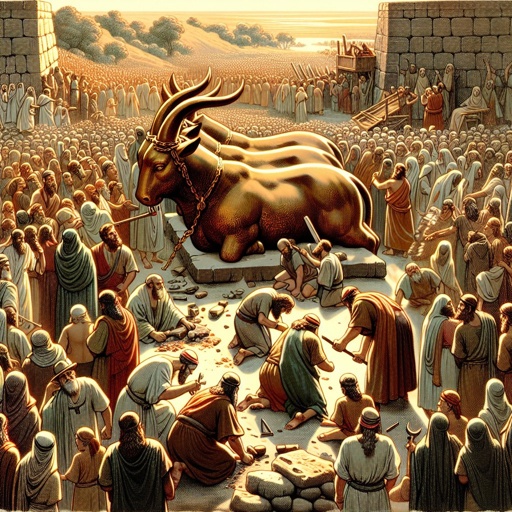
Exodus 32:8 - "They have turned aside quickly out of the way which I commanded them: they have made them a molten calf, and have worshipped it, and have sacrificed thereunto, and said, These be thy gods, O Israel, which have brought thee up out of the land of Egypt."

Exodus 32:32 - "Yet now, if thou wilt forgive their sin--; and if not, blot me, I pray thee, out of thy book which thou hast written."

Exodus 23:32 - "Thou shalt make no covenant with them, nor with their gods."

Exodus 35:32 - "And to devise curious works, to work in gold, and in silver, and in brass,"

Exodus 9:32 - "But the wheat and the rie were not smitten: for they were not grown up."

Psalm 32:8

Psalm 32:8

Psalm 32:8

Psalm 32:8

Psalm 32:8

Psalm 32:8

Exodus 32:35 - "And the LORD plagued the people, because they made the calf, which Aaron made."

Exodus 32:16 - "And the tables were the work of God, and the writing was the writing of God, graven upon the tables."

Exodus 32:14 - "And the LORD repented of the evil which he thought to do unto his people."

Exodus 32:9 - "And the LORD said unto Moses, I have seen this people, and, behold, it is a stiffnecked people:"

Exodus 29:32 - "And Aaron and his sons shall eat the flesh of the ram, and the bread that is in the basket, by the door of the tabernacle of the congregation."

Exodus 36:32 - "And five bars for the boards of the other side of the tabernacle, and five bars for the boards of the tabernacle for the sides westward."

Exodus 32:17 - "And when Joshua heard the noise of the people as they shouted, he said unto Moses, There is a noise of war in the camp."

Exodus 12:32 - "Also take your flocks and your herds, as ye have said, and be gone; and bless me also."

Exodus 32:28 - "And the children of Levi did according to the word of Moses: and there fell of the people that day about three thousand men."