What does Exodus 9:2 mean?
“For if thou refuse to let them go, and wilt hold them still,” — Exodus 9:2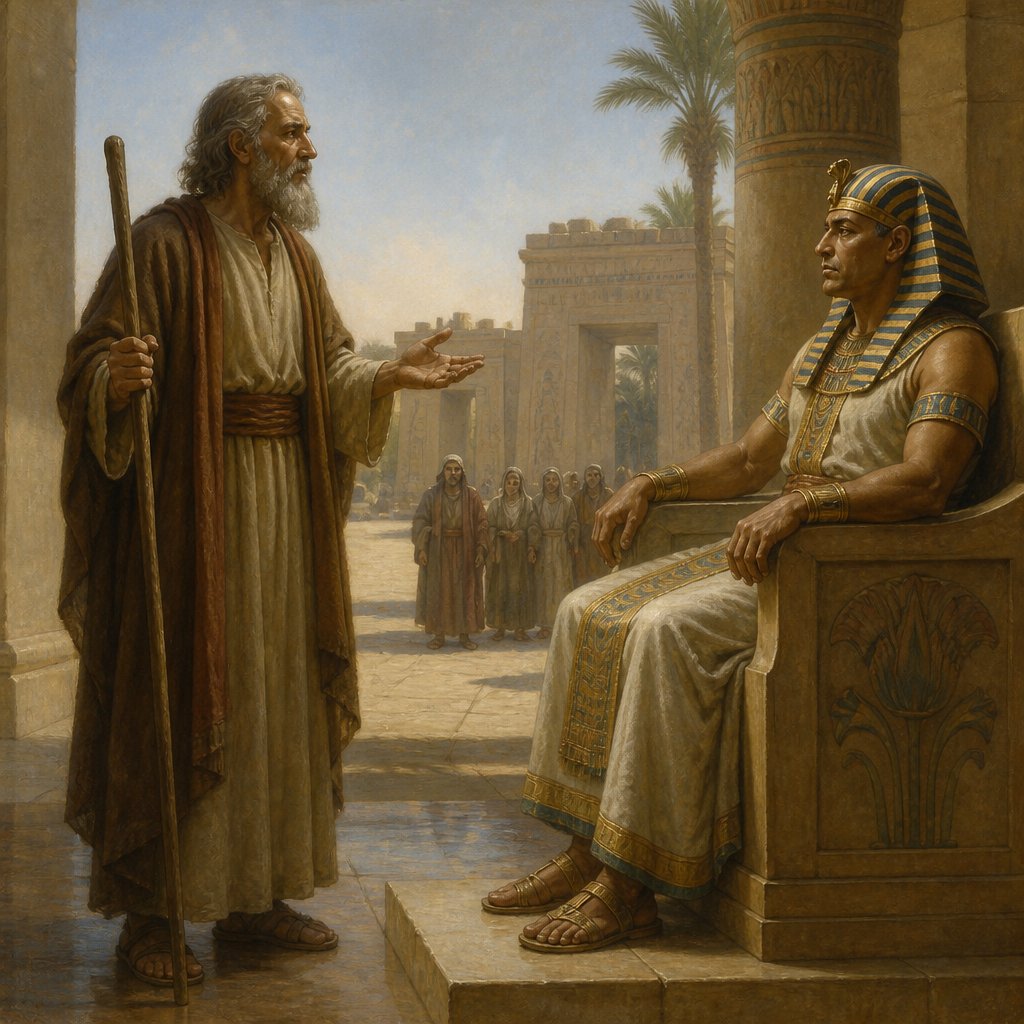
Exodus 9:2 (KJV) reads, "For if thou refuse to let them go, and wilt hold them still, behold, the hand of the Lord is upon thy cattle which is in the field, upon the horses, upon the asses, upon the camels, upon the oxen, and upon the sheep: there shall be a very grievous murrain."
This verse is part of the narrative in the book of Exodus, which details the story of the Israelites' exodus from Egypt under the leadership of Moses. In this particular verse, God is warning Pharaoh of the consequences of refusing to let the Israelites go. Specifically, God threatens to inflict a "very grievous murrain" upon the livestock belonging to the Egyptians.
The broader context of this verse is the series of plagues that God inflicted upon Egypt as a means of pressuring Pharaoh to release the Israelites from slavery. These plagues are a central component of the Exodus story, and they serve as a demonstration of God's power and authority over the Egyptian gods.
One of the central themes of this verse is the concept of divine judgment. Throughout the book of Exodus, God is depicted as a powerful and righteous judge who punishes those who oppose Him and His chosen people. In this particular instance, the livestock of the Egyptians are targeted as a form of divine retribution for Pharaoh's stubbornness and refusal to release the Israelites from bondage.
Another significant theme in this verse is the idea of obedience and disobedience. Pharaoh's refusal to heed God's warning and release the Israelites ultimately leads to devastating consequences for the Egyptian people. This serves as a cautionary tale about the dangers of defying God and the importance of submitting to His will.
The symbolism in this verse is also noteworthy. The affliction of the Egyptian livestock represents not only a physical punishment but also a symbolic one. In the ancient Near East, livestock were a symbol of wealth and prosperity, so the murrain serves as a direct attack on the economic and social fabric of Egypt. This underscores the severity of God's judgment and the extent to which He is willing to go in order to secure the liberation of His people.
Additionally, the specific mention of various types of livestock (horses, asses, camels, oxen, and sheep) is significant. These animals were not only essential to the Egyptian economy but were also associated with various deities in the Egyptian pantheon. By targeting these specific animals, God is not only striking at the material wealth of Egypt but also challenging the authority of the Egyptian gods themselves.
In conclusion, Exodus 9:2 is a powerful and evocative verse that encapsulates several key themes of the book of Exodus. It serves as a stark warning about the consequences of defying God's will and emphasizes the idea of divine judgment and the symbolism of the plagues. As part of the larger narrative of the Israelites' exodus from Egypt, this verse plays a crucial role in illustrating God's power and the lengths to which He is willing to go to secure the freedom of His people.
Get our apps


Artwork for Exodus 9:2

Exodus 9:2 - "For if thou refuse to let them go, and wilt hold them still,"
"For if thou refuse to let them go, and wilt hold them still," - Exodus 9:2
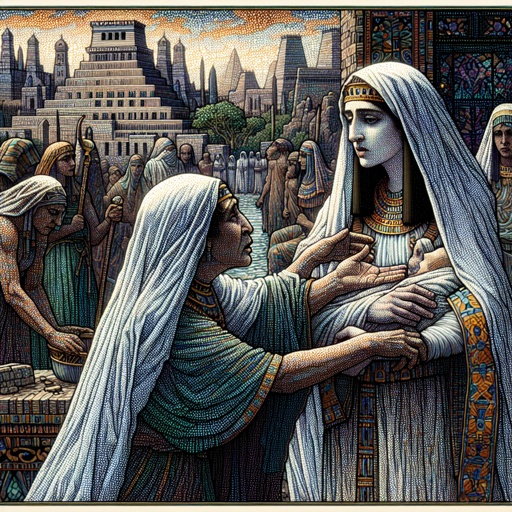
Exodus 2:9

Exodus 2:9

Exodus 2:9 - "And Pharaoh's daughter said unto her, Take this child away, and nurse it for me, and I will give thee thy wages. And the woman took the child, and nursed it."

Exodus 40:9

Exodus 24:9-11

Exodus 35:9 - "And onyx stones, and stones to be set for the ephod, and for the breastplate."

Exodus 9:31 - "And the flax and the barley was smitten: for the barley was in the ear, and the flax was bolled."

Exodus 9:32 - "But the wheat and the rie were not smitten: for they were not grown up."

The Plague of Boils - Exodus 9:8-12

The Plague of Boils - Exodus 9:8-12

The Plague of Boils - Exodus 9:8-12.

The Plague of Hail - Exodus 9:13-35

The Plague of Boils - Exodus 9:8-12

The Plague of Hail - Exodus 9:13-35

The Plague of Boils - Exodus 9:8-12

The Plague on Livestock - Exodus 9:1-7

The Plague of Hail - Exodus 9:13-35

The Plague of Hail - Exodus 9:13-35

The Plague of Boils - Exodus 9:8-12

The Plague of Boils - Exodus 9:8-12

The Plague on Livestock - Exodus 9:1-7

The Plague of Boils - Exodus 9:8-12

Exodus 9:26 - "Only in the land of Goshen, where the children of Israel were, was there no hail."

Exodus 24:9 - "¶ Then went up Moses, and Aaron, Nadab, and Abihu, and seventy of the elders of Israel:"

Exodus 31:9 - "And the altar of burnt offering with all his furniture, and the laver and his foot,"

Exodus 20:9 - "Six days shalt thou labour, and do all thy work:"

The Plague Death on Livestock - Exodus 9:1-7
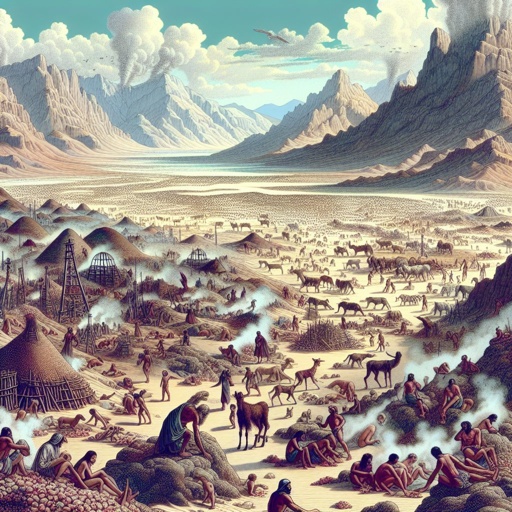
Exodus 9:9 - "And it shall become small dust in all the land of Egypt, and shall be a boil breaking forth with blains upon man, and upon beast, throughout all the land of Egypt."