What does Exodus 9:32 mean?
“But the wheat and the rie were not smitten: for they were not grown up.” — Exodus 9:32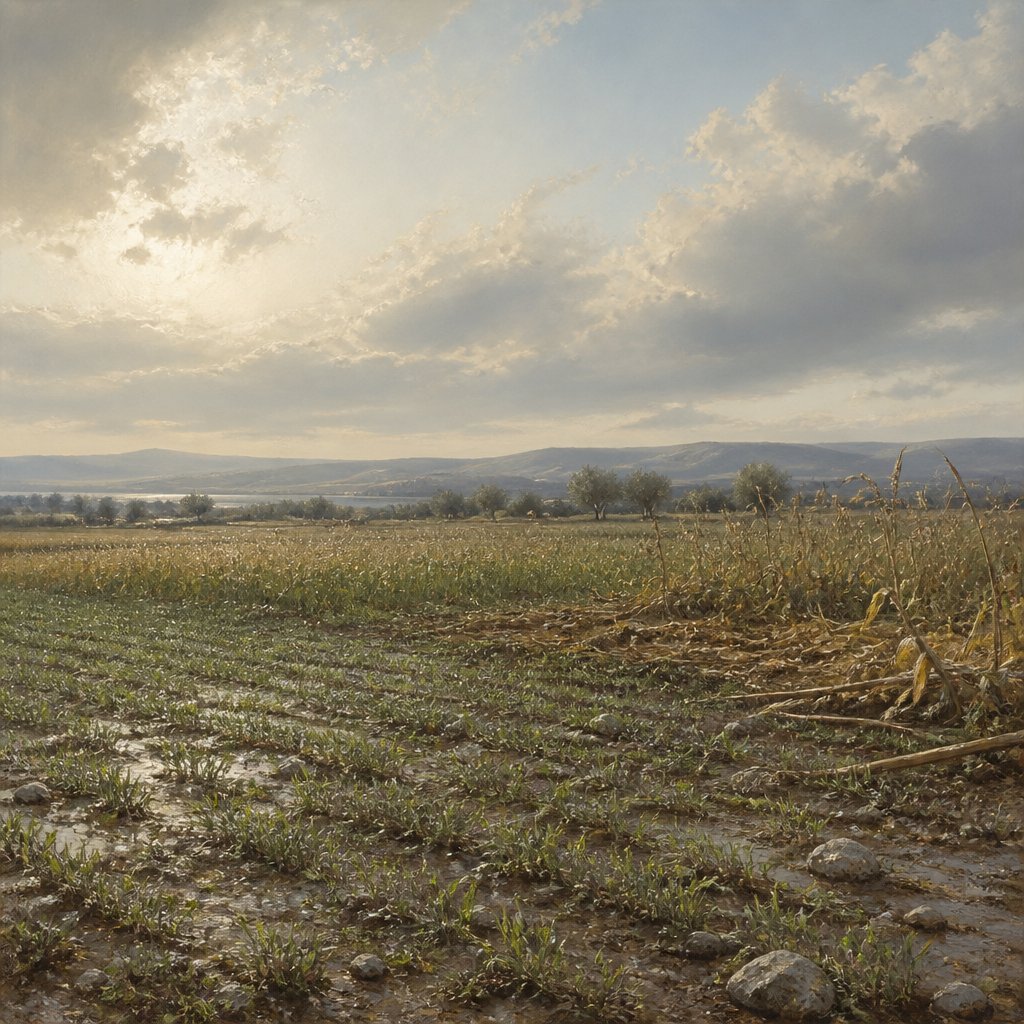
Exodus 9:32 in the King James Version (KJV) states, “But the wheat and the rie were not smitten: for they were not grown up.” This verse comes from the story of the seventh plague that was sent upon Egypt by God, which was the plague of hail. This plague was intended to be a demonstration of God’s power and a warning to Pharaoh to let the Israelites go. The hail was accompanied by thunder and fire, and it destroyed crops, livestock, and trees throughout the land of Egypt (Exodus 9:23-25). However, this verse specifically emphasizes that the wheat and rye were not affected by the hail because they had not yet fully grown.
In this verse, we see a few different themes at work. One of the prominent themes is the demonstration of God’s power and control over the natural world. Throughout the plagues in the book of Exodus, God is consistently shown as the one who is ultimately in control, and the plagues are a manifestation of his power and authority. The fact that the wheat and rye were not affected by the hail because they had not yet fully grown can be seen as a demonstration of God’s precise and intentional control over the natural processes of the earth. He is able to protect and preserve what he chooses, and this further emphasizes his sovereignty.
Another theme that can be seen in this verse is the theme of divine timing and patience. The fact that the wheat and rye had not yet fully grown speaks to the idea of God’s perfect timing. It may have seemed like a coincidence or a stroke of luck that the crops were spared, but in reality, it was a part of God’s plan. This can be a reminder to trust in God’s timing and to have patience as we wait for his plans to unfold.
The context of this verse is important to consider as well. At this point in the story of the plagues, Pharaoh has already been warned by Moses and Aaron to let the Israelites go, and he has consistently refused to do so. The plagues are meant to be a demonstration of God’s power and a way to compel Pharaoh to release the Israelites from slavery. The seventh plague of hail was particularly devastating, and it was a clear message to Pharaoh that God’s power could not be ignored. The fact that the wheat and rye were spared can be seen as a small mercy in the midst of a larger demonstration of God’s power.
Symbolically, the wheat and rye could represent the people of Israel and their eventual deliverance from slavery. Just as the crops were spared from the devastation of the hail, the Israelites would eventually be spared from the oppression of the Egyptians. This verse can serve as a reminder that God is able to protect and preserve his people, even in the midst of great trials and hardships.
In conclusion, Exodus 9:32 in the King James Version (KJV) is a verse that is rich in themes of God’s power, divine timing, and protection. It is a reminder of God’s sovereignty over the natural world and his ability to preserve and protect his people. This verse is a part of a larger narrative of God’s deliverance of the Israelites from slavery in Egypt, and it serves as a powerful demonstration of God’s faithfulness and control.
Get our apps


Artwork for Exodus 9:32

Exodus 9:32 - "But the wheat and the rie were not smitten: for they were not grown up."
"But the wheat and the rie were not smitten: for they were not grown up." - Exodus 9:32

Exodus 32:9 - "And the LORD said unto Moses, I have seen this people, and, behold, it is a stiffnecked people:"
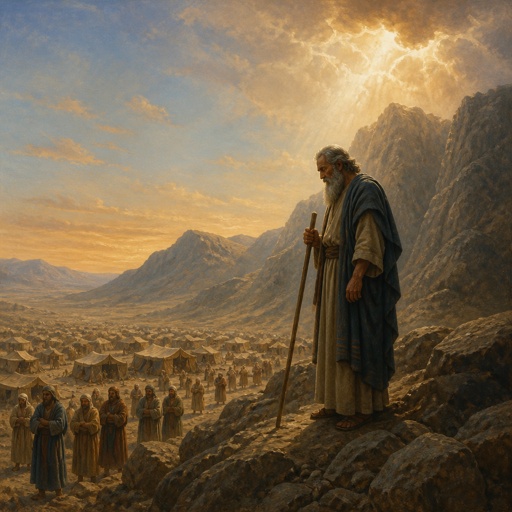
"And the LORD said unto Moses, I have seen this people, and, behold, it is a stiffnecked people:" - Exodus 32:9

Exodus 32:28

Exodus 32:31-32 So Moses returned to the LORD and said, “Oh, what a great sin these people have committed! They have made gods of gold for themselves. / Yet now, if You would only forgive their sin.... But if not, please blot me out of the book that You have written.” Exodus 32:31-32

Exodus 32:32 - "Yet now, if thou wilt forgive their sin--; and if not, blot me, I pray thee, out of thy book which thou hast written."

Exodus 23:32 - "Thou shalt make no covenant with them, nor with their gods."

Exodus 35:32 - "And to devise curious works, to work in gold, and in silver, and in brass,"

The Plague of Flies - Exodus 8:20-32

The Plague of Flies - Exodus 8:20-32.

The Plague of Flies - Exodus 8:20-32

Exodus 32:35 - "And the LORD plagued the people, because they made the calf, which Aaron made."

Exodus 32:16 - "And the tables were the work of God, and the writing was the writing of God, graven upon the tables."

Exodus 32:14 - "And the LORD repented of the evil which he thought to do unto his people."

Exodus 29:32 - "And Aaron and his sons shall eat the flesh of the ram, and the bread that is in the basket, by the door of the tabernacle of the congregation."

Exodus 8:32 - "And Pharaoh hardened his heart at this time also, neither would he let the people go."

Exodus 36:32 - "And five bars for the boards of the other side of the tabernacle, and five bars for the boards of the tabernacle for the sides westward."

Mark 9:32 - "But they understood not that saying, and were afraid to ask him."

Exodus 32:17 - "And when Joshua heard the noise of the people as they shouted, he said unto Moses, There is a noise of war in the camp."

Exodus 12:32 - "Also take your flocks and your herds, as ye have said, and be gone; and bless me also."

Exodus 32:28 - "And the children of Levi did according to the word of Moses: and there fell of the people that day about three thousand men."

Exodus 40:32 - "When they went into the tent of the congregation, and when they came near unto the altar, they washed; as the LORD commanded Moses."

Exodus 32:3 - "And all the people brake off the golden earrings which were in their ears, and brought them unto Aaron."

Exodus 32:22 - "And Aaron said, Let not the anger of my lord wax hot: thou knowest the people, that they are set on mischief."

Esther 9:32 - "And the decree of Esther confirmed these matters of Purim; and it was written in the book."

Exodus 32:5 - "And when Aaron saw it, he built an altar before it; and Aaron made proclamation, and said, To morrow is a feast to the LORD."

Deuteronomy 32:9 - "For the LORD'S portion is his people; Jacob is the lot of his inheritance."

Exodus 32:25 - "¶ And when Moses saw that the people were naked; (for Aaron had made them naked unto their shame among their enemies:)"

Exodus 32:33 - "And the LORD said unto Moses, Whosoever hath sinned against me, him will I blot out of my book."