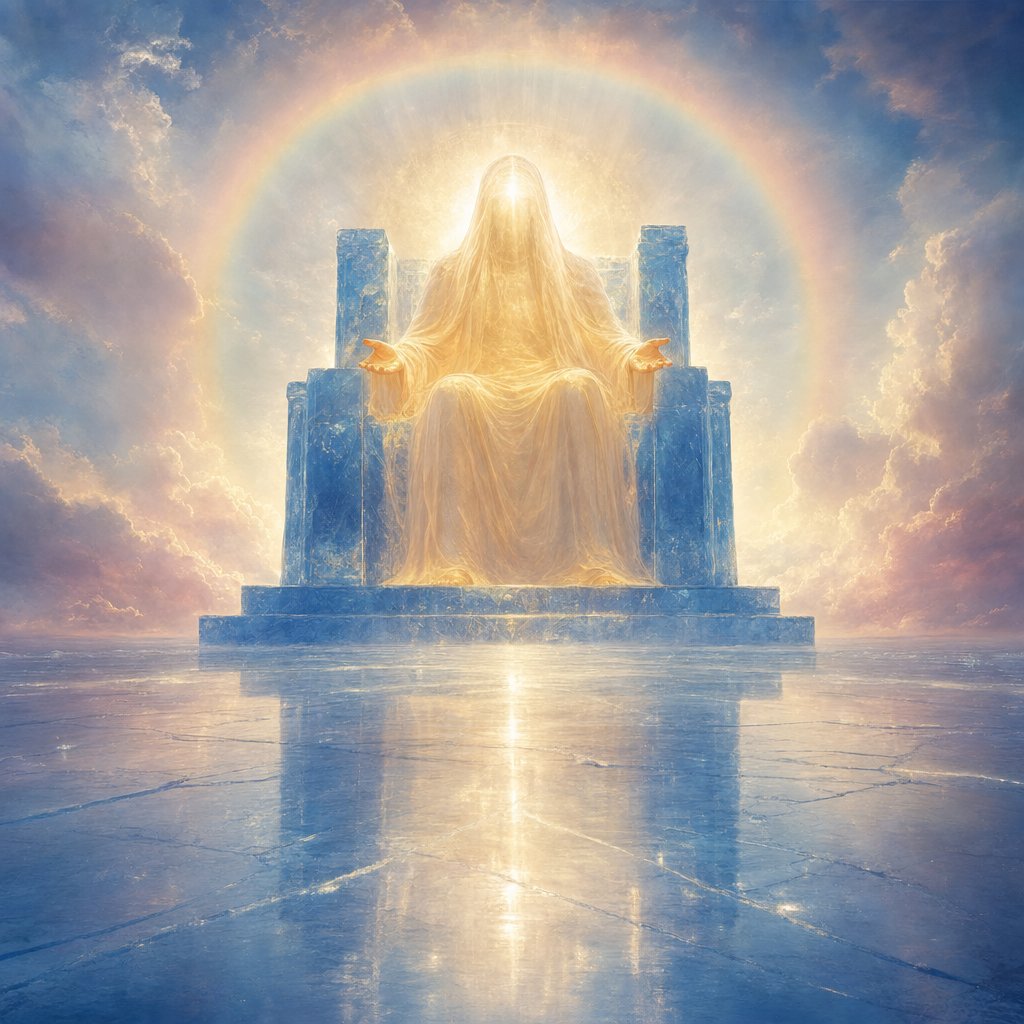
Ezekiel 1:26–28 (KJV) stands at the climax of Ezekiel’s opening vision, where the prophet—an exiled priest by the river Chebar in “the land of the Chaldeans” (Ezekiel 1:3)—is granted a revelation of the LORD’s glory. The chapter has already built a sense of overwhelming majesty through storm, fire, living creatures, wheels “full of eyes,” and the “firmament” above their heads. Yet all that vast, living, terrible apparatus serves a single end: to frame the reality that above and beyond every created power stands the God of Israel, present and reigning even in exile. These verses are therefore not merely a description of a strange sight; they are Ezekiel’s first commissioning encounter, a theological declaration that the LORD’s kingship is not confined to Jerusalem, and a symbolic assurance that the covenant God can appear in Babylon with the same glory with which He filled His sanctuary.
The immediate context matters because it explains why the vision is shaped as it is. Ezekiel is among captives, in a place that would have felt like abandonment and defeat. In that setting, God reveals Himself not as diminished or distant, but as enthroned and mobile, attended by the living chariot-throne imagery implied by the creatures and wheels. The prophet is not first given instructions; he is first given God Himself—His “likeness,” His “appearance,” His “glory.” The structure of the passage emphasizes transcendence. Ezekiel repeatedly says “likeness” and “appearance,” showing reverence and restraint. He is not claiming to capture God’s essence. He is testifying, in human language, to what was shown him: visible signs that point to invisible reality. This careful language guards two truths at once: God truly reveals Himself, yet God is greater than what any human eye can comprehend or any human tongue can perfectly express.
In Ezekiel 1:26 (KJV), “above the firmament that was over their heads was the likeness of a throne, as the appearance of a sapphire stone.” The “firmament” functions like a boundary between the created attendants below and the sovereign enthroned above, underscoring that God is distinct from His servants and from the mechanisms of His providence. The throne signifies kingship, judgment, and authority: God is not only present; He rules. The “sapphire stone” appearance evokes a vision of otherworldly purity, clarity, and heavenly splendor. It is not a common earthly seat; it is a throne that signals the holiness and majesty of heaven’s court. Ezekiel is seeing, in prophetic symbolism, that history is governed from above, not from Babylon’s palaces.
The verse continues: “and upon the likeness of the throne was the likeness as the appearance of a man above upon it.” This is one of the most significant features of the vision. God chooses to present His rule in a form Ezekiel can recognize: a throne occupied, and occupied by one with “the appearance of a man.” The point is not that God is merely human, but that God accommodates revelation to human perception and communicates His personal, relational sovereignty. The LORD is not an impersonal force. He is the living God who speaks, commands, judges, and saves. This “appearance of a man” also prepares for later biblical themes in which divine rule and divine revelation are expressed in forms that bridge the gap between God and man. Ezekiel’s vision does not reduce God; it magnifies Him by showing that the infinite God can make Himself known without ceasing to be infinite.
Ezekiel 1:27 (KJV) intensifies the description: “And I saw as the colour of amber, as the appearance of fire round about within it, from the appearance of his loins even upward, and from the appearance of his loins even downward, I saw as it were the appearance of fire, and it had brightness round about.” The imagery of fire and brightness is a familiar biblical language for holiness, glory, and consuming purity. Fire both reveals and conceals: it illuminates, yet it is too intense to stare into; it purifies, yet it also judges. Here, fire “round about within it” suggests an inward, self-contained radiance—glory that is not borrowed but inherent. The repeated “appearance” language again signals that Ezekiel is describing what God allowed him to perceive, not claiming to define God’s substance. The division “from the appearance of his loins” upward and downward conveys fullness: glory saturates the whole vision. The LORD’s majesty is not partial; it is complete, encompassing, and inescapable. In the setting of exile, that completeness matters. Israel’s defeat did not fracture God’s sovereignty. The God Ezekiel sees is whole, undiminished, and blazing with holy life.
Ezekiel 1:28 (KJV) then provides a concluding comparison: “As the appearance of the bow that is in the cloud in the day of rain, so was the appearance of the brightness round about.” After fire and intense light, the vision ends with the “bow,” the rainbow-like sign in the cloud. This is not merely decorative. In the Bible’s memory, the bow in the cloud recalls God’s covenant sign given after the flood (Genesis 9), a visible token associated with mercy, restraint, and faithfulness. By evoking that image, Ezekiel’s vision holds judgment and hope together. The same God who comes in fire comes also with covenant remembrance. The brightness is not only terrifying; it is also marked by the sign that God binds Himself by promise. This matters profoundly for an exiled people who might think their story has ended. The bow suggests that even where judgment is real—and Ezekiel will speak much of judgment—God’s dealings are not arbitrary. They are covenantal, purposeful, and ultimately directed toward God’s holy ends, which include restoration as well as recompense.
The verse concludes: “This was the appearance of the likeness of the glory of the LORD. And when I saw it, I fell upon my face, and I heard a voice of one that spake.” Here the prophet interprets the vision for the reader. Whatever the creatures and wheels signify in detail, the final reality is “the glory of the LORD.” In Scripture, “glory” carries the sense of weightiness, manifested majesty, the public display of God’s holiness and power. Ezekiel’s response—falling on his face—shows the only fitting posture before such glory: worship, fear, humility, surrender. But the vision does not end with silent awe; it ends with speech: “I heard a voice.” Glory leads to word. The God who reveals His majesty also commissions His prophet. The vision is not given to satisfy curiosity; it is given to establish Ezekiel’s authority and to prepare him to speak to a rebellious house with the certainty that his message comes from the enthroned LORD.
Taken together, Ezekiel 1:26–28 (KJV) proclaims several interwoven themes. It reveals God’s sovereign kingship by the throne, God’s personal presence by the “appearance of a man,” God’s holiness and purifying judgment by fire and brightness, and God’s covenantal mercy by the bow in the cloud. It also teaches that God is both transcendent and near: He is “above the firmament,” yet He speaks to a man by the river in a foreign land. The significance for Ezekiel’s ministry—and for the book that follows—is that the LORD’s glory is not imprisoned by geography, not defeated by empires, and not silenced by the collapse of institutions. The glory that once filled the sanctuary can confront the exiles where they are, and the voice that speaks from the throne can still address His people with truth, warning, and hope.
Get our apps


Artwork for Ezekiel 1:26-28
!["And above the firmament that [was] over their heads [was] the likeness of a throne, as the appearance of a sapphire stone: and upon the likeness of the throne [was] the likeness as the appearance of a man above upon it.
And I saw as the colour of amber, as the appearance of fire round about within it, from the appearance of his loins even upward, and from the appearance of his loins even downward, I saw as it were the appearance of fire, and it had brightness round about.
As the appearance of the bow that is in the cloud in the day of rain, so [was] the appearance of the brightness round about. This [was] the appearance of the likeness of the glory of the LORD. And when I saw [it], I fell upon my face, and I heard a voice of one that spake." - Ezekiel 1:26-28](https://media.bible.art/d39b58f9-237c-4984-b12e-a8f5ed988976-thumbnail.jpg)
"And above the firmament that [was] over their heads [was] the likeness of a throne, as the appearance of a sapphire stone: and upon the likeness of the throne [was] the likeness as the appearance of a man above upon it. And I saw as the colour of amber, as the appearance of fire round about within it, from the appearance of his loins even upward, and from the appearance of his loins even downward, I saw as it were the appearance of fire, and it had brightness round about. As the appearance of the bow that is in the cloud in the day of rain, so [was] the appearance of the brightness round about. This [was] the appearance of the likeness of the glory of the LORD. And when I saw [it], I fell upon my face, and I heard a voice of one that spake." - Ezekiel 1:26-28

Ezekiel 1:1-28

Ezekiel 1:1-28

Ezekiel 1:1-28

Ezekiel 1:1-28

Ezekiel 1:1-28

Ezekiel 1:1-28

Ezekiel 1:1-28

Ezekiel 1:1-28

Ezekiel 1:1-28

Ezekiel 1:4-28

Ezekiel 1:4-28 – The vision of the four living creatures and the wheels.

Ezekiel 28:1 - "The word of the LORD came again unto me, saying,"

Ezekiel 1:1-28 I would like to see your vision of what a cherubim is as it is described in EZEKIEL

Ezekiel 1:4-28 – The vision of the four living creatures and the wheels.

Ezekiel 1:4-28 – The vision of the four living creatures and the wheels.

Ezekiel 1:4-28 – The vision of the four living creatures and the wheels.

Ezekiel 1:4-28 – The vision of the four living creatures and the wheels.

Ezekiel 1:1-28 I would like to see your vision of what a cherubim is as it is described in EZEKIEL Make sure the wheels have eyes

Ezekiel 1:1-28 I would like to see your vision of what a cherubim is as it is described in EZEKIEL Make sure the wheels have eyes

Ezekiel 1:1-28 I would like to see your vision of what a cherubim is as it is described in EZEKIEL Make sure the wheels have eyes

Ezekiel 1:1-28 I would like to see your vision of what a cherubim is as it is described in EZEKIEL Make sure the wheels have eyes

Ezekiel 1:1-28 I would like to see your vision of what a cherubim is as it is described in EZEKIEL Make sure the wheels have eyes

Ezekiel 26:1 - "And it came to pass in the eleventh year, in the first day of the month, that the word of the LORD came unto me, saying,"
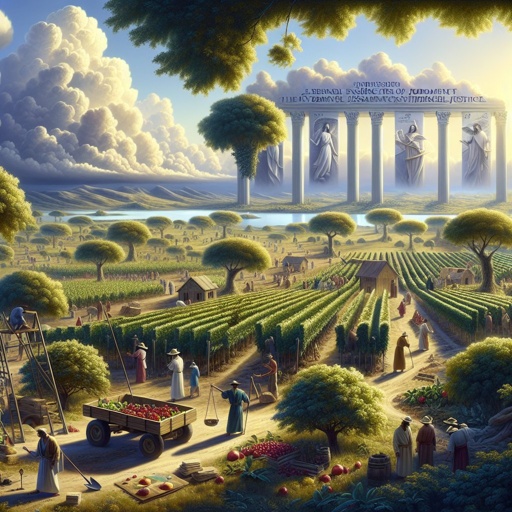
Ezekiel 28:26 - "And they shall dwell safely therein, and shall build houses, and plant vineyards; yea, they shall dwell with confidence, when I have executed judgments upon all those that despise them round about them; and they shall know that I am the LORD their God."
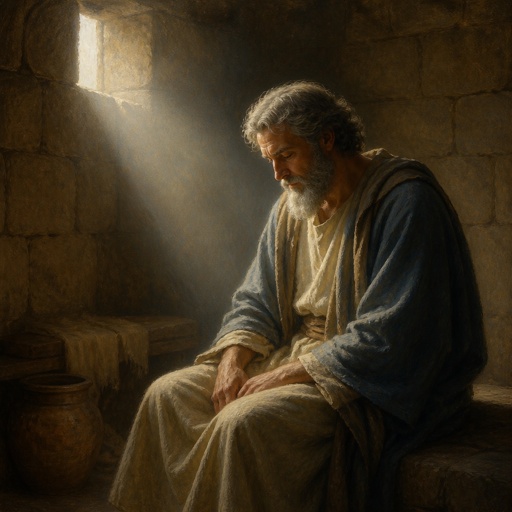
"The word of the LORD came again unto me, saying," - Ezekiel 28:1

Ezekiel 28:11-19

Ezekiel 28:11-19

Ezekiel 28:11-19

Ezekiel 28:11-19