What does Ezekiel 11:18 mean?
“And they shall come thither, and they shall take away all the detestable things thereof and all the abominations thereof from thence.” — Ezekiel 11:18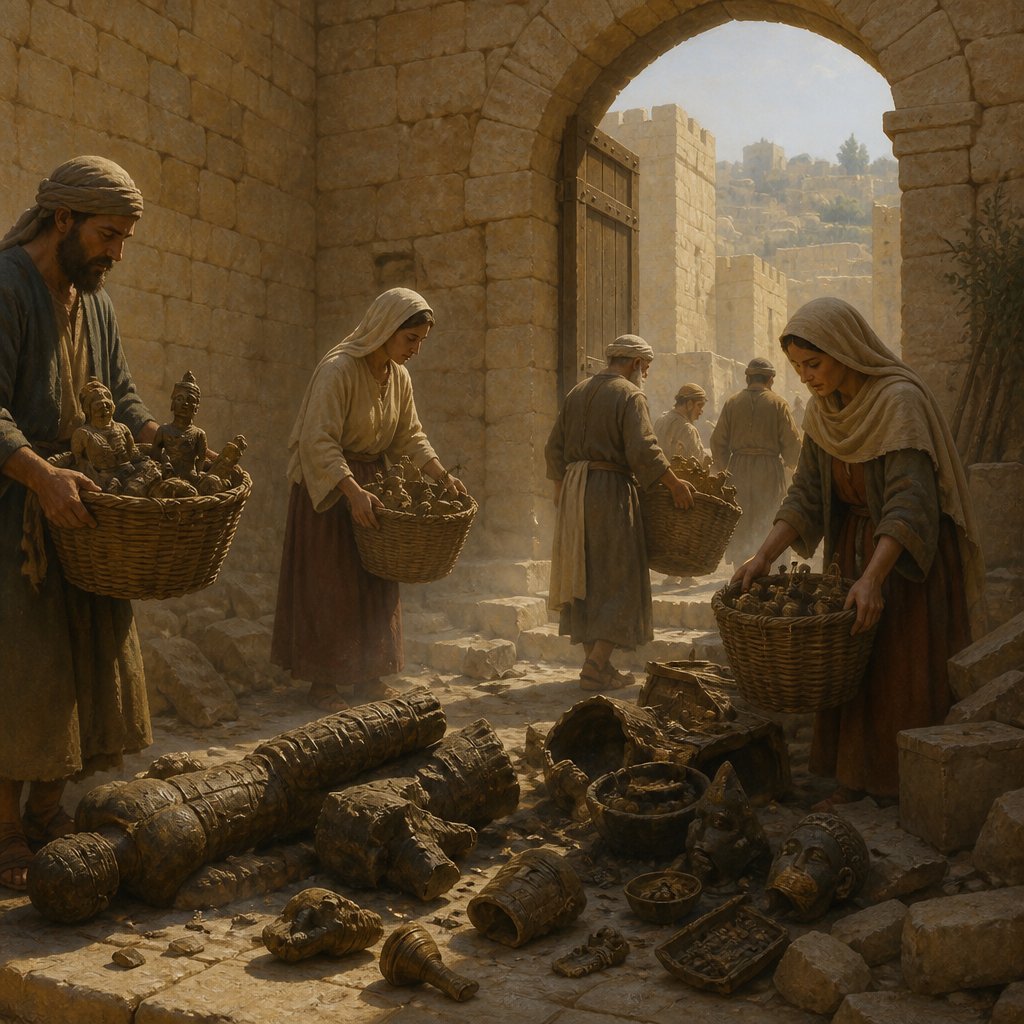
Ezekiel 11:18 (KJV) says: "And they shall come thither, and they shall take away all the detestable things thereof and all the abominations thereof from thence."
Ezekiel was a prophet who lived during the Babylonian exile, and his book contains vivid and symbolic visions of judgment and restoration for the exiled Israelites. In this particular verse, Ezekiel is speaking about the future restoration of the Israelites to their land and the cleansing that will take place.
The verse begins with the phrase "And they shall come thither," which refers to the exiled Israelites returning to their land. The context of this verse is important to understand, as it comes after a series of prophetic judgments against Israel for their idolatry and wickedness. God has promised to bring the Israelites back from exile, and this verse is part of the vision of their restoration.
The next part of the verse says, "and they shall take away all the detestable things thereof and all the abominations thereof from thence." This is a promise of cleansing and restoration for the land of Israel. The detestable things and abominations refer to the idolatry and sin that had led to God's judgment on the Israelites. The removal of these detestable things represents the removal of sin and unfaithfulness, and the restoration of true worship and obedience to God.
One of the key themes in this verse is the theme of restoration. The Israelites have been exiled and have experienced the judgment of God, but now there is a promise of restoration. This restoration includes not only the physical return to the land but also the spiritual cleansing and renewal of the people. The removal of the detestable things and abominations represents a turning away from sin and a return to God.
Another important theme in this verse is the theme of repentance. The removal of the detestable things and abominations represents a turning away from sin and a commitment to obedience to God. The Israelites must repent of their idolatry and wickedness and return to God in faith and obedience. This theme of repentance is central to the message of Ezekiel and the other prophets, as it is only through repentance and turning back to God that the Israelites can experience restoration and blessing.
The symbolism in this verse is also significant. The detestable things and abominations represent the sin and idolatry that had led to God's judgment on the Israelites. The removal of these detestable things symbolizes the cleansing and purifying work of God in the hearts and lives of His people. It represents a new beginning and a fresh start for the Israelites, as they return to their land and to their God.
In conclusion, Ezekiel 11:18 is a powerful and hopeful promise of restoration and renewal for the exiled Israelites. It speaks of the physical return to the land of Israel as well as the spiritual cleansing and renewal of the people. The theme of repentance and the symbolism of the removal of detestable things and abominations convey a message of hope and encouragement for the Israelites, as they look forward to the day of their restoration and the renewal of their relationship with God.
Get our apps


Artwork for Ezekiel 11:18

Ezekiel 11:18 - "And they shall come thither, and they shall take away all the detestable things thereof and all the abominations thereof from thence."
"And they shall come thither, and they shall take away all the detestable things thereof and all the abominations thereof from thence." - Ezekiel 11:18

Ezekiel 18:11 - "And that doeth not any of those duties, but even hath eaten upon the mountains, and defiled his neighbour's wife,"
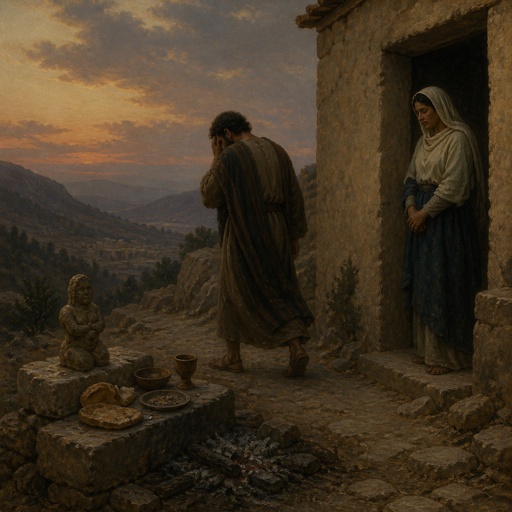
"And that doeth not any of those duties, but even hath eaten upon the mountains, and defiled his neighbour's wife," - Ezekiel 18:11

Ezekiel 28:11-19

Ezekiel 28:11-19

Ezekiel 28:11-19

Ezekiel 28:11-19

Ezekiel 28:11-19

Ezekiel 28:11-19

Ezekiel 39:11

Ezekiel 39:11

Exodus 27:1-8

1 tim 1:8

Ezekiel 18:5 - "¶ But if a man be just, and do that which is lawful and right,"

Ezekiel 1:10-11

Ezekiel 21:18 - "¶ The word of the LORD came unto me again, saying,"

Ezekiel 18:1 - "The word of the LORD came unto me again, saying,"

Romans 11:18

Romans 11:18

Romans 11:18

exodus 18:11

Romans 11:18

Romans 11:18
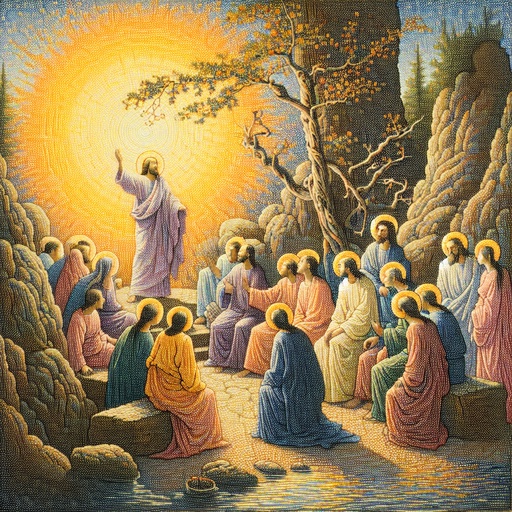
Romans 11:18

Romans 11:18

Genesis 18-11

Ezekiel 11:11 - "This city shall not be your caldron, neither shall ye be the flesh in the midst thereof; but I will judge you in the border of Israel:"

Ezekiel 42:18 - "He measured the south side, five hundred reeds, with the measuring reed."

Ezekiel 40:18 - "And the pavement by the side of the gates over against the length of the gates was the lower pavement."