What does Ezekiel 11:23 mean?
“And the glory of the LORD went up from the midst of the city, and stood upon the mountain which is on the east side of the city.” — Ezekiel 11:23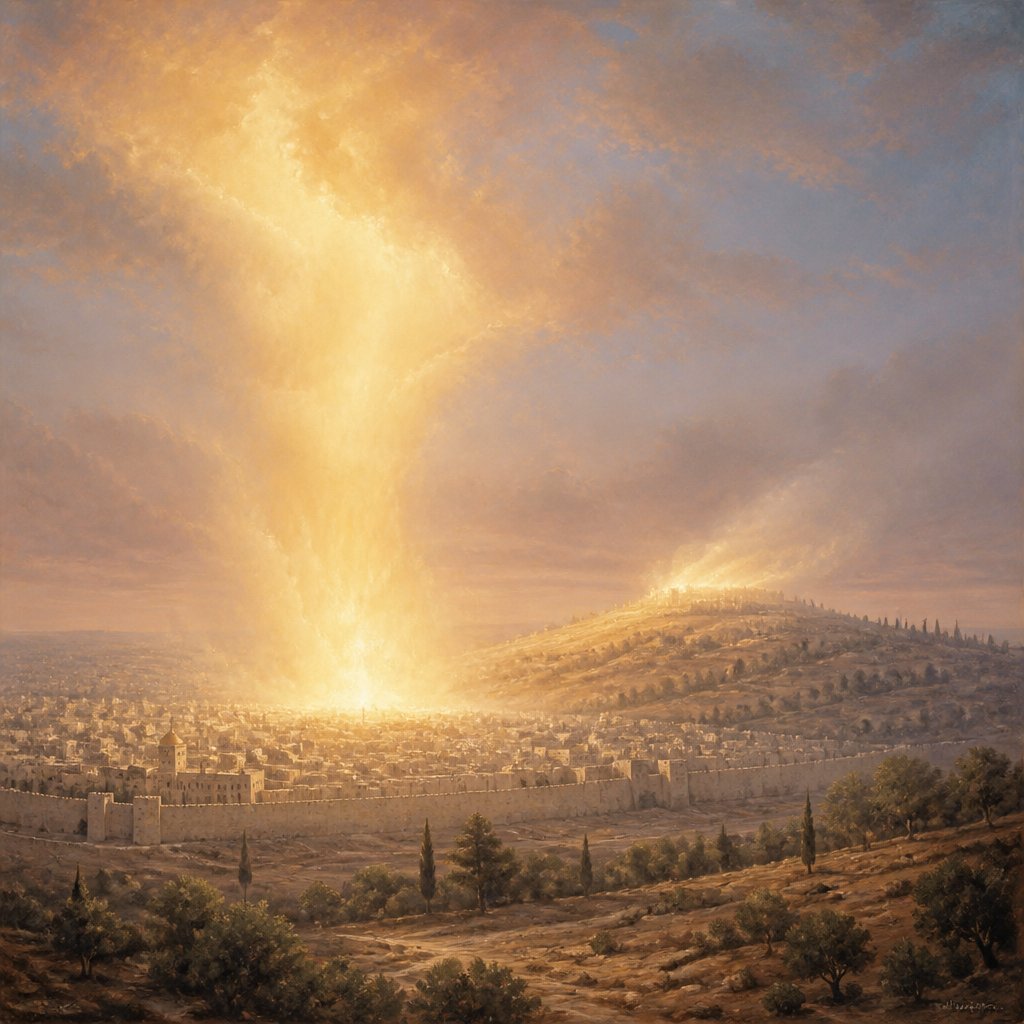
Ezekiel 11:23 in the King James Version (KJV) reads: "And the glory of the Lord went up from the midst of the city, and stood upon the mountain which is on the east side of the city."
This verse comes from the book of Ezekiel, which is one of the major prophets in the Old Testament. The book of Ezekiel is set during the period of the Babylonian exile, when the Israelites were taken captive and removed from their homeland. In this particular passage, Ezekiel is describing a vision he had of the glory of the Lord departing from the city of Jerusalem and moving to a mountain on the east side of the city.
The theme of the glory of the Lord departing from Jerusalem is a significant one in the book of Ezekiel, as it represents the withdrawal of God's presence and protection from the people of Israel. Throughout the book, Ezekiel conveys the message that the people of Israel had turned away from God and had become corrupt and idolatrous, and as a result, they would face judgment and exile. The departure of the glory of the Lord symbolizes the spiritual desolation and abandonment of Jerusalem.
The departure of the glory of the Lord also has broader theological implications. In the Old Testament, the presence of God was often associated with the tabernacle or temple, where the Israelites believed God's glory dwelled. However, when the people of Israel sinned and turned away from God, His glory would depart from the temple, indicating that they had forfeited the privilege of His presence. This theme is echoed in other passages in the Old Testament, such as the departure of the glory of the Lord from the temple in the book of 1 Samuel.
The mention of the mountain on the east side of the city is also significant in this verse. In the Bible, the east is often associated with the direction of the rising sun, which symbolizes the hope of a new beginning and the promise of restoration. By moving to the mountain on the east side of the city, the glory of the Lord is indicating that despite the judgment and exile that the people of Israel are facing, there is still the possibility of a future restoration and renewal.
This verse also has relevance for Christians, as it points to the ultimate fulfillment of God's promises in the New Testament. The departure of the glory of the Lord from Jerusalem foreshadows the coming of Jesus Christ, who would bring about a new covenant and the restoration of God's presence among His people. In the New Testament, Jesus is described as the ultimate embodiment of God's glory, and through His death and resurrection, He provides the way for humanity to be reconciled to God.
In conclusion, Ezekiel 11:23 conveys a powerful message about the departure of the glory of the Lord from Jerusalem, signaling the spiritual desolation and abandonment of the city. The verse also points to the hope of restoration and renewal, as the glory of the Lord moves to the mountain on the east side of the city. Ultimately, this passage carries profound theological significance, pointing to the themes of judgment, exile, and the promise of restoration that are central to the Old Testament.
Get our apps


Artwork for Ezekiel 11:23

Ezekiel 11:23 - "And the glory of the LORD went up from the midst of the city, and stood upon the mountain which is on the east side of the city."
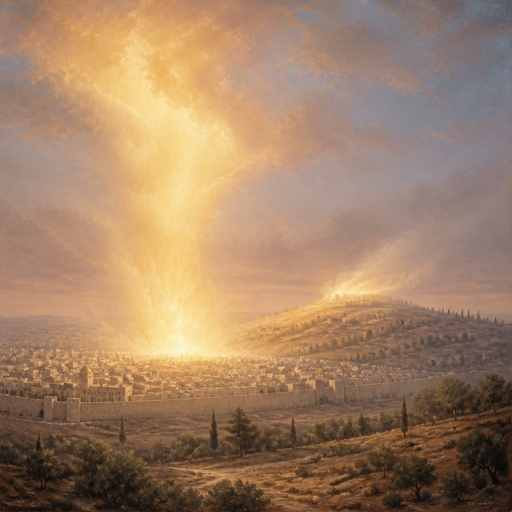
"And the glory of the LORD went up from the midst of the city, and stood upon the mountain which is on the east side of the city." - Ezekiel 11:23

Ezekiel 23:11 - "And when her sister Aholibah saw this, she was more corrupt in her inordinate love than she, and in her whoredoms more than her sister in her whoredoms."

Ezekiel 28:11-19

Ezekiel 28:11-19

Ezekiel 28:11-19

Ezekiel 28:11-19

Ezekiel 41:23 - "And the temple and the sanctuary had two doors."

Ezekiel 28:11-19

Ezekiel 28:11-19

Ezekiel 39:11

Ezekiel 22:23 - "¶ And the word of the LORD came unto me, saying,"

Ezekiel 33:23 - "Then the word of the LORD came unto me, saying,"

Ezekiel 39:11

Ezekiel 23:1 - "The word of the LORD came again unto me, saying,"

Genesis 23:11

luke 11:23

Ezekiel 23:2 - "Son of man, there were two women, the daughters of one mother:"

Ezekiel 23:13 - "Then I saw that she was defiled, that they took both one way,"

luke 11:23

Deuteronomy 11:23

luke 11:23

luke 11:23

Ezekiel 1:10-11

Ezekiel 30:23 - "And I will scatter the Egyptians among the nations, and will disperse them through the countries."

Ezekiel 7:23 - "¶ Make a chain: for the land is full of bloody crimes, and the city is full of violence."

Ezekiel 27:23 - "Haran, and Canneh, and Eden, the merchants of Sheba, Asshur, and Chilmad, were thy merchants."

Song of Solomon 2:3

Ezekiel 11:11 - "This city shall not be your caldron, neither shall ye be the flesh in the midst thereof; but I will judge you in the border of Israel:"

Ezekiel 23:23 - "The Babylonians, and all the Chaldeans, Pekod, and Shoa, and Koa, and all the Assyrians with them: all of them desirable young men, captains and rulers, great lords and renowned, all of them riding upon horses."