What does Ezekiel 16:20 mean?
“Moreover thou hast taken thy sons and thy daughters, whom thou hast borne unto me, and these hast thou sacrificed unto them to be devoured. Is this of thy whoredoms a small matter,” — Ezekiel 16:20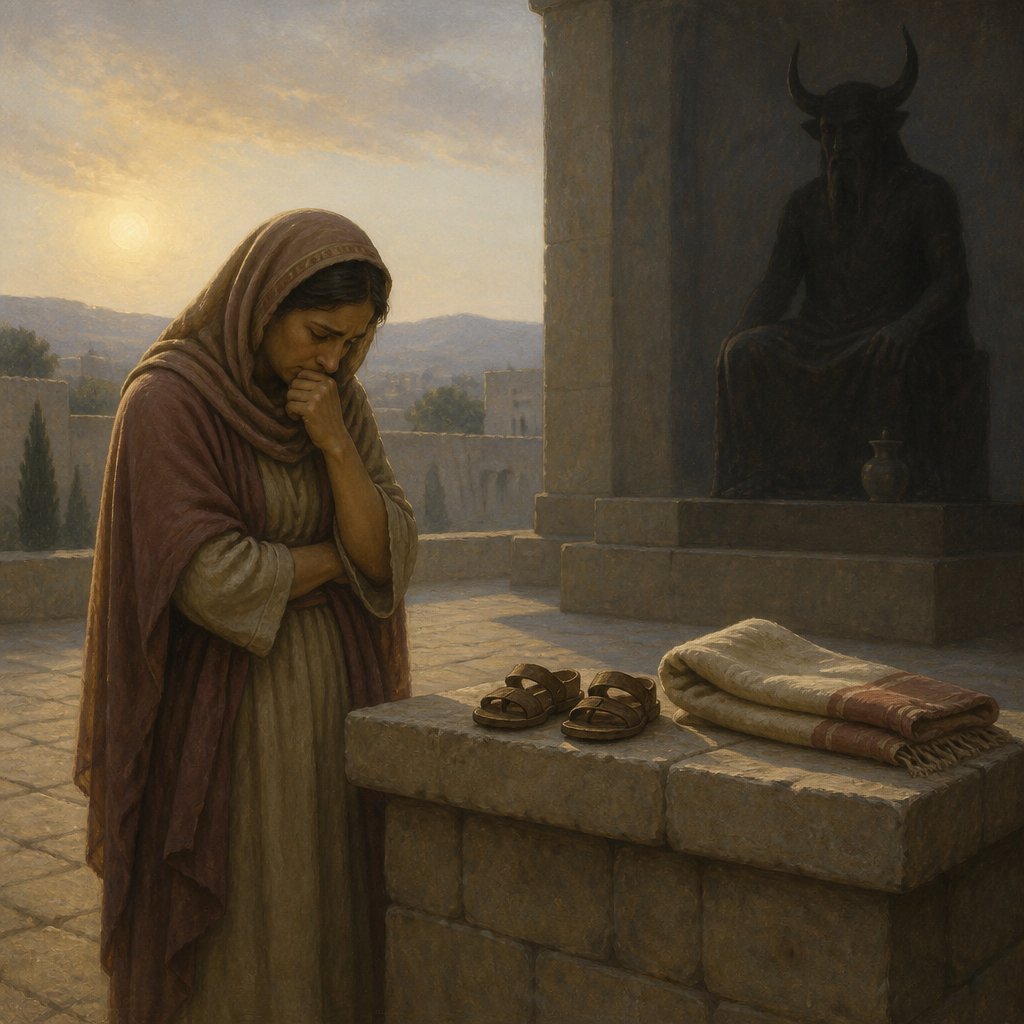
Ezekiel 16:20 (KJV) reads, "Moreover thou hast taken thy sons and thy daughters, whom thou hast borne unto me, and these hast thou sacrificed unto them to be devoured. Is this of thy whoredoms a small matter?"
In order to fully understand the significance of this verse, it is important to provide some context from the surrounding verses. Ezekiel 16 is a chapter that speaks of God's judgment upon Jerusalem, using the imagery of an unfaithful wife, representing the city's unfaithfulness to God.
The verse in question is a direct rebuke from God to the people of Jerusalem for their abominable actions. The people of Jerusalem have been sacrificing their own children to false gods, a practice that was commonly associated with the pagan religions of the time. This act is not only a horrific and barbaric practice, but it is also a direct violation of God's commandments and a betrayal of their covenant with Him.
The theme of unfaithfulness and betrayal runs throughout this passage, as God compares Jerusalem to an unfaithful wife who has committed whoredom and adultery. By sacrificing their own children, the people of Jerusalem have not only turned away from God, but they have also turned against their own flesh and blood, demonstrating the depths of their moral depravity.
The symbolism in this verse is particularly powerful and serves as a stark illustration of the gravity of the people's sins. The act of child sacrifice was considered to be the ultimate act of apostasy, and it served as a potent symbol of the people's complete abandonment of God and embrace of false idols. This act was a clear demonstration of the people's willingness to forsake the very essence of their humanity in pursuit of their own selfish desires.
The language used in this verse is emotionally charged and conveys a sense of outrage and disgust on the part of God. The rhetorical question, "Is this of thy whoredoms a small matter?" serves to highlight the severity and enormity of the people's transgressions. God is emphasizing that their actions cannot be brushed off lightly, but rather, they are an egregious betrayal that demands severe consequences.
In a broader sense, this verse serves as a warning against the dangers of idolatry and the worship of false gods. It exemplifies the lengths to which people can go when they abandon the one true God and turn to the worship of idols. The consequences of such actions are dire, leading to the destruction and judgment of an entire city.
Ultimately, this verse is a powerful and poignant reminder of the importance of faithfulness and obedience to God. It serves as a sobering warning against straying from God's commandments and the pursuit of sinful desires. The imagery of child sacrifice serves as a potent symbol of the ultimate betrayal of God and reflects the depths of human depravity when turned away from the divine. It is a stark and haunting reminder of the consequences of forsaking God and the gravity of sin.
Get our apps


Artwork for Ezekiel 16:20

Ezekiel 16:20 - "Moreover thou hast taken thy sons and thy daughters, whom thou hast borne unto me, and these hast thou sacrificed unto them to be devoured. Is this of thy whoredoms a small matter,"
"Moreover thou hast taken thy sons and thy daughters, whom thou hast borne unto me, and these hast thou sacrificed unto them to be devoured. Is this of thy whoredoms a small matter," - Ezekiel 16:20

Ezekiel 20:16 - "Because they despised my judgments, and walked not in my statutes, but polluted my sabbaths: for their heart went after their idols."

"Because they despised my judgments, and walked not in my statutes, but polluted my sabbaths: for their heart went after their idols." - Ezekiel 20:16

Ezekiel 20:41

Ezekiel 20:40

Ezekiel 20:41

Ezekiel 20:41

Ezekiel 20:40

Ezekiel 20:40

Ezekiel 20:41

Ezekiel 20:40

Ezekiel 20:41

Ezekiel 20:41

Ezekiel 27:20 - "Dedan was thy merchant in precious clothes for chariots."

Ezekiel 20:2 - "Then came the word of the LORD unto me, saying,"

Mark 16:20
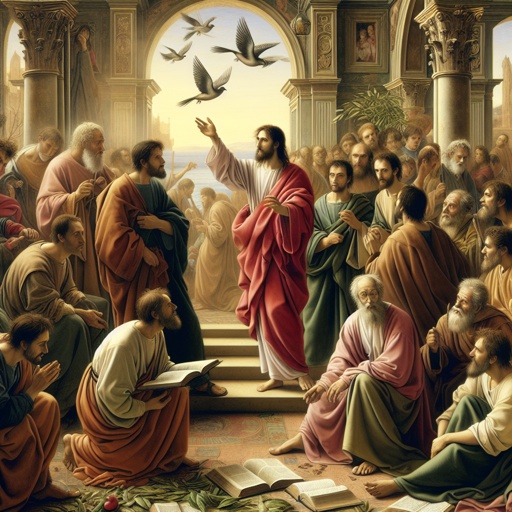
Mark 16:20

Deuteronomy 20:16
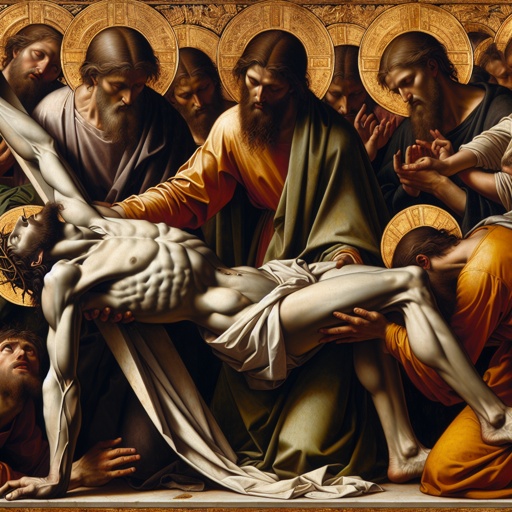
Mark 16:20

Genesis 20-16

Mark 16:20

Deuteronomy 20:16

Mark 16:20

Deuteronomy 20:16

Ezekiel 28:20 - "¶ Again the word of the LORD came unto me, saying,"

Ezekiel 20:45 - "¶ Moreover the word of the LORD came unto me, saying,"

Ezekiel 20:20 - "And hallow my sabbaths; and they shall be a sign between me and you, that ye may know that I am the LORD your God."

Ezekiel 16:35 - "¶ Wherefore, O harlot, hear the word of the LORD:"

Genesis 35:16-20