What does Ezekiel 16:49 mean?
“Behold, this was the iniquity of thy sister Sodom, pride, fulness of bread, and abundance of idleness was in her and in her daughters, neither did she strengthen the hand of the poor and needy.” — Ezekiel 16:49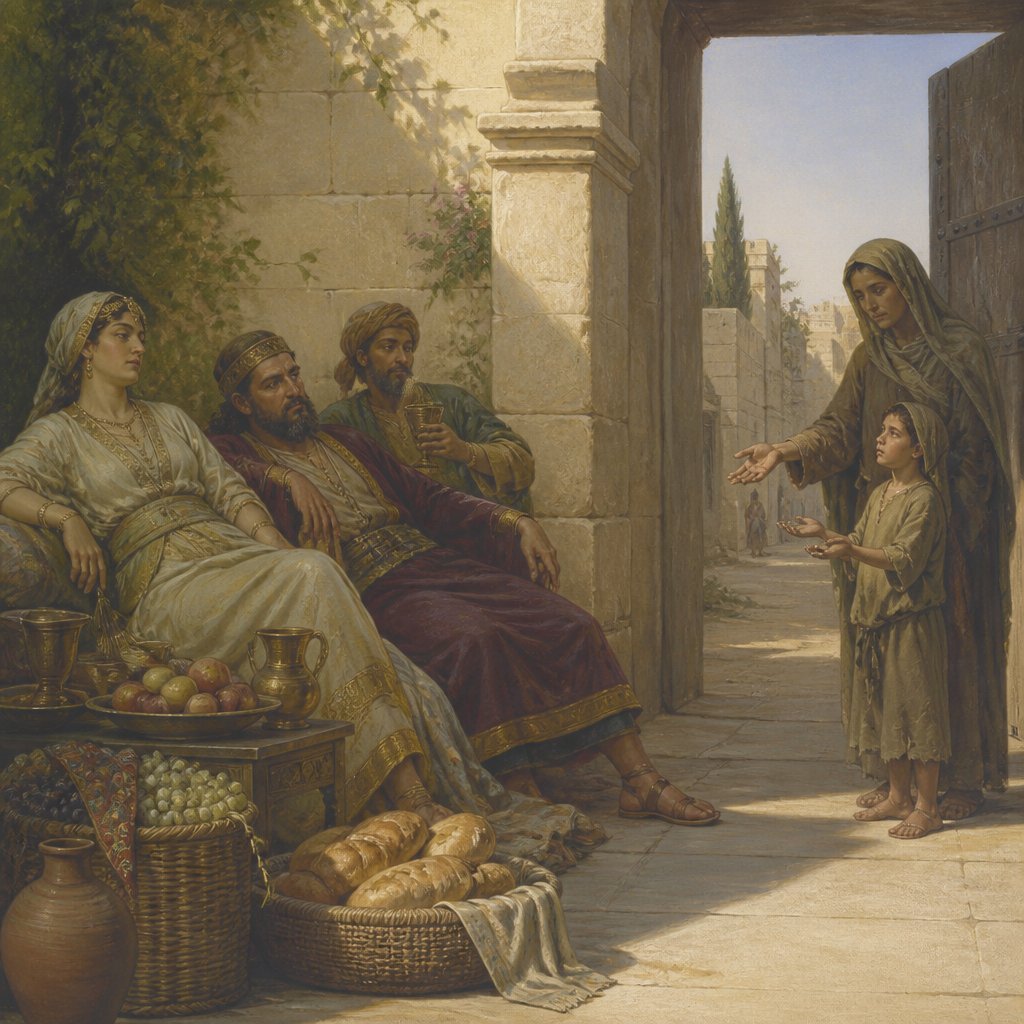
Ezekiel 16:49 in the King James Version reads, "Behold, this was the iniquity of thy sister Sodom, pride, fulness of bread, and abundance of idleness was in her and in her daughters, neither did she strengthen the hand of the poor and needy."
This verse is part of a larger passage in the book of Ezekiel in which the prophet Ezekiel condemns the people of Jerusalem for their sins. The imagery of comparing the sins of Jerusalem to those of Sodom carries a powerful message, as Sodom is often seen as the epitome of wickedness in the Bible. This verse specifically identifies the sins of Sodom as pride, indulgence, idleness, and neglect of the poor.
The theme of this passage is the judgment of God upon the sins of His people. In this particular verse, the sins of Sodom are used as a warning to the people of Jerusalem, as well as to all who read the passage. The sins of pride, indulgence, idleness, and neglect of the poor are seen as particularly abhorrent to God, and their presence in a society is an indicator of impending judgment.
The context of this verse is important for understanding its meaning. In the verses leading up to Ezekiel 16:49, the prophet Ezekiel uses the metaphor of Jerusalem as an abandoned baby that God has taken in and nurtured, only to see her grow up and turn away from Him. The people of Jerusalem are likened to a faithless wife and an ungrateful child, who have forsaken their covenant with God and turned to idolatry and other sins. This verse comes as a part of Ezekiel's indictment of the people's faithlessness and the judgment that will come upon them as a result.
The imagery of pride, fulness of bread, and abundance of idleness as the sins of Sodom is striking in its relevance to modern society. Pride, the excessive focus on one's own importance and superiority, is a sin that has been present in humanity since the beginning. The fulness of bread represents gluttony and overindulgence, a preoccupation with material wealth and physical pleasure. Abundance of idleness speaks to a lack of productive activity, laziness, and a lack of purpose or direction in life. These sins are manifestations of a self-centered, hedonistic lifestyle that is ultimately destructive to individuals and societies.
The most poignant aspect of this verse is the neglect of the poor and needy. This sin is highlighted as a central failing of Sodom and is given particular emphasis. The failure to "strengthen the hand of the poor and needy" reflects a lack of compassion, justice, and social responsibility. It is an indictment of the people's failure to fulfill their moral and ethical obligations to care for the less fortunate in their midst.
Symbolically, the sins of Sodom represent the pervasive and destructive nature of sin in all its forms. Pride, indulgence, idleness, and neglect of the poor are all interconnected and feed into one another, creating a vicious cycle of moral decay and spiritual emptiness. These sins are not only condemned in the specific context of Sodom but are also a universal representation of the ways in which people turn away from God and towards their own selfish desires.
In conclusion, Ezekiel 16:49 in the King James Version of the Bible presents a powerful and timeless message about the nature of sin and the consequences of turning away from God. The sins of pride, fulness of bread, and abundance of idleness, along with the neglect of the poor and needy, are condemned as leading to the judgment and destruction of Sodom and, by extension, any society that embraces them. The verse serves as a warning and a call to repentance for all who read it, reminding them of the importance of humility, selflessness, and compassion in the eyes of God.
Get our apps


Artwork for Ezekiel 16:49
Ezekiel 16:49 - "Behold, this was the iniquity of thy sister Sodom, pride, fulness of bread, and abundance of idleness was in her and in her daughters, neither did she strengthen the hand of the poor and needy."
"Behold, this was the iniquity of thy sister Sodom, pride, fulness of bread, and abundance of idleness was in her and in her daughters, neither did she strengthen the hand of the poor and needy." - Ezekiel 16:49

Ezekiel 20:49 - "Then said I, Ah Lord GOD! they say of me, Doth he not speak parables?"

Genesis 49:16 - "¶ Dan shall judge his people, as one of the tribes of Israel."

Psalms 49:16 - "Be not thou afraid when one is made rich, when the glory of his house is increased;"

Isaiah 49:16 - "Behold, I have graven thee upon the palms of my hands; thy walls are continually before me."

Numbers 16:49 - "Now they that died in the plague were fourteen thousand and seven hundred, beside them that died about the matter of Korah."

Ezekiel 23:49 - "And they shall recompense your lewdness upon you, and ye shall bear the sins of your idols: and ye shall know that I am the Lord GOD."

Ezekiel 40:49 - "The length of the porch was twenty cubits, and the breadth eleven cubits; and he brought me by the steps whereby they went up to it: and there were pillars by the posts, one on this side, and another on that side."

Psalm 49:16-17 - "Do not be overawed when others grow rich, when the splendor of their houses increases; for they will take nothing with them when they die, their splendor will not descend with them."
"¶ Dan shall judge his people, as one of the tribes of Israel." - Genesis 49:16
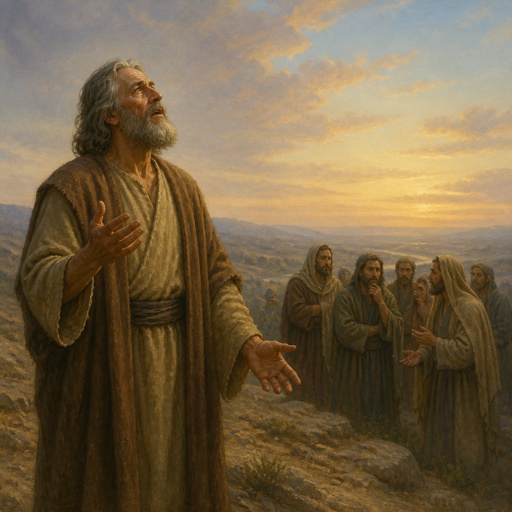
"Then said I, Ah Lord GOD! they say of me, Doth he not speak parables?" - Ezekiel 20:49
!["Behold, I have graven thee upon the palms of [my] hands; thy walls [are] continually before me." - Isaiah 49:16](https://media.bible.art/b07c325d-8129-47ec-bf44-63ea459287ab-thumbnail.jpg)
"Behold, I have graven thee upon the palms of [my] hands; thy walls [are] continually before me." - Isaiah 49:16
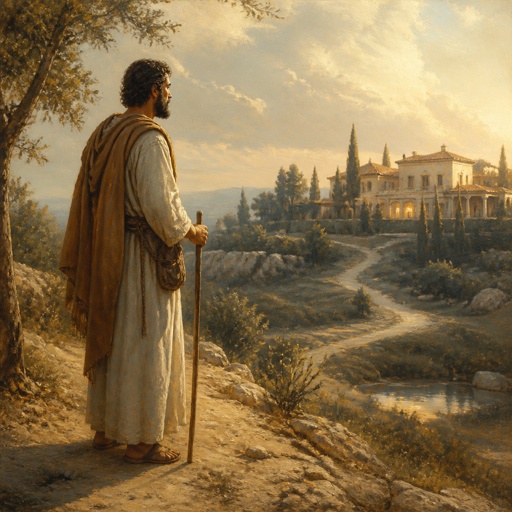
"Be not thou afraid when one is made rich, when the glory of his house is increased;" - Psalms 49:16

Ezekiel 16:35 - "¶ Wherefore, O harlot, hear the word of the LORD:"

Ezekiel 36:16 - "¶ Moreover the word of the LORD came unto me, saying,"

Ezekiel 16:2 - "Son of man, cause Jerusalem to know her abominations,"

Ezekiel 16:1 - "Again the word of the LORD came unto me, saying,"

Ezekiel 45:16 - "All the people of the land shall give this oblation for the prince in Israel."

Ezekiel 16:56 - "For thy sister Sodom was not mentioned by thy mouth in the day of thy pride,"

Ezekiel 39:16 - "And also the name of the city shall be Hamonah. Thus shall they cleanse the land."

Ezekiel 16:32 - "But as a wife that committeth adultery, which taketh strangers instead of her husband!"

Ezekiel 16:58 - "Thou hast borne thy lewdness and thine abominations, saith the LORD."
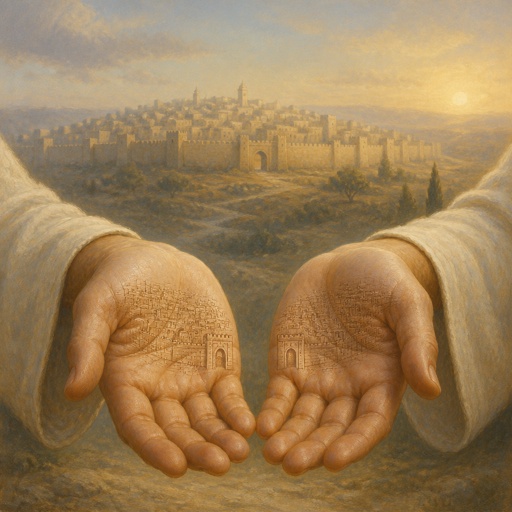
"Behold, I have graven thee upon the palms of my hands; thy walls are continually before me." - Isaiah 49:16

Ezekiel 16:16 - "And of thy garments thou didst take, and deckedst thy high places with divers colours, and playedst the harlot thereupon: the like things shall not come, neither shall it be so."
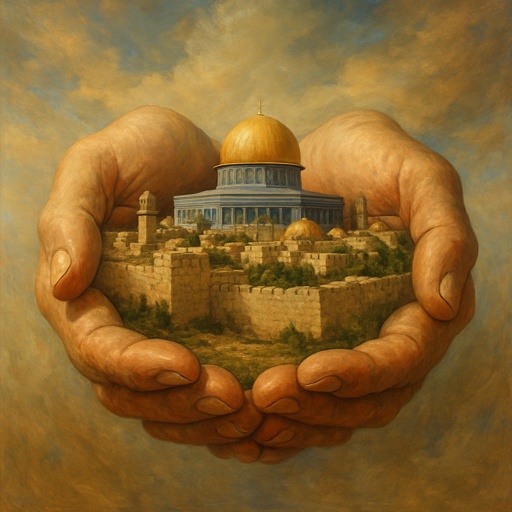
Isaiah 49:16 Behold, I have inscribed you Jerusalem on the palms of My hands; your walls are ever before Me
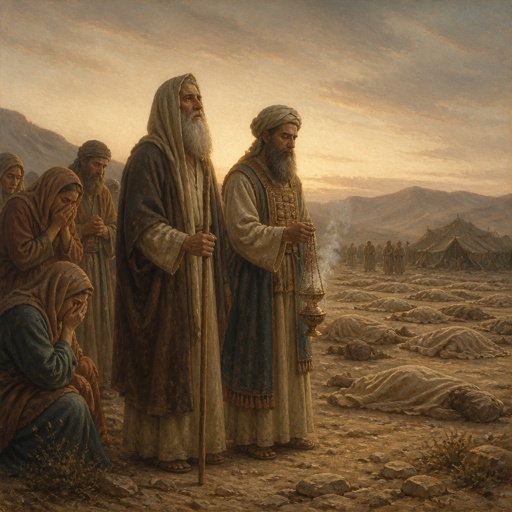
"Now they that died in the plague were fourteen thousand and seven hundred, beside them that died about the matter of Korah." - Numbers 16:49

Jeremiah 49:16 - "Thy terribleness hath deceived thee, and the pride of thine heart, O thou that dwellest in the clefts of the rock, that holdest the height of the hill: though thou shouldest make thy nest as high as the eagle, I will bring thee down from thence, saith the LORD."

Ezekiel 43:16 - "And the altar shall be twelve cubits long, twelve broad, square in the four squares thereof."

Ezekiel 3:16 - "And it came to pass at the end of seven days, that the word of the LORD came unto me, saying,"