What does Ezekiel 17:12 mean?
“Say now to the rebellious house, Know ye not what these things mean? tell them, Behold, the king of Babylon is come to Jerusalem, and hath taken the king thereof, and the princes thereof, and led them with him to Babylon;” — Ezekiel 17:12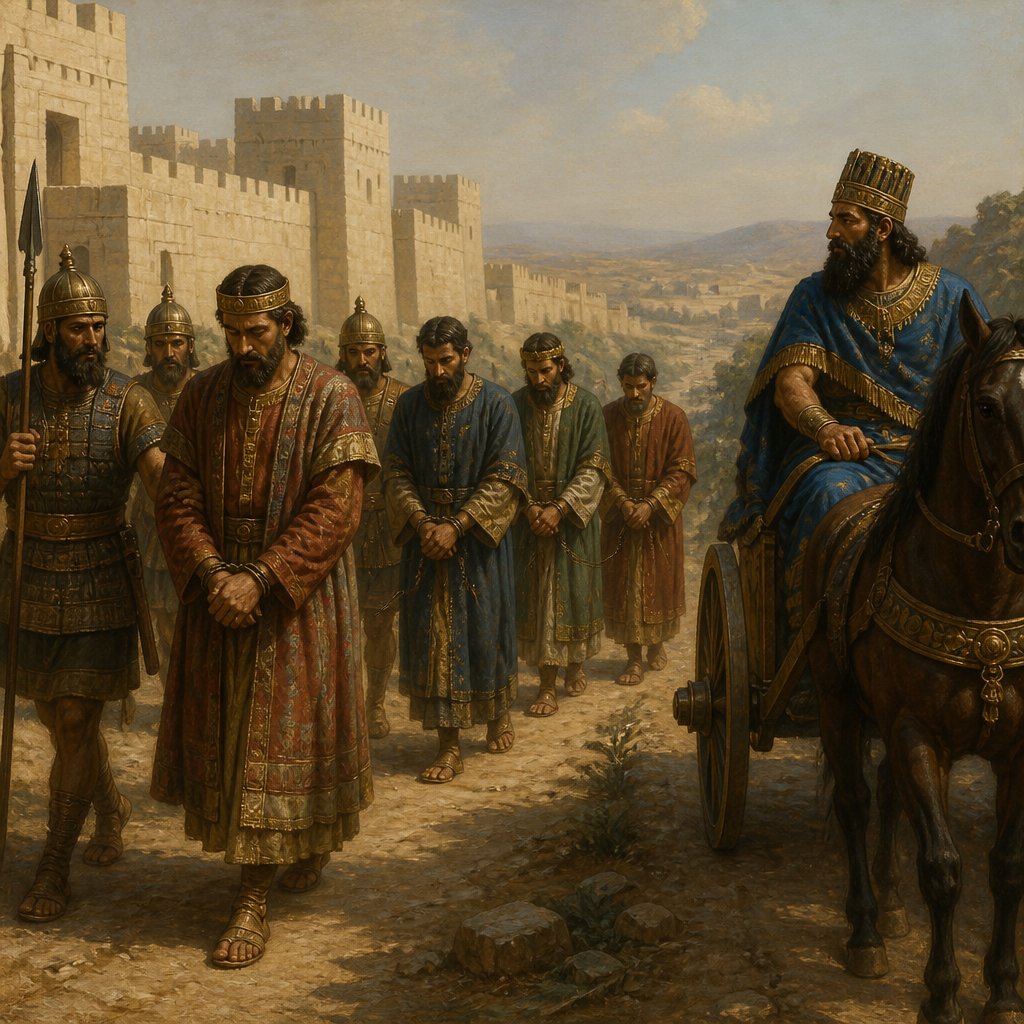
The verse Ezekiel 17:12 from the King James Version (KJV) of the Bible reads, "Say now to the rebellious house, Know ye not what these things mean? tell them, Behold, the king of Babylon is come to Jerusalem, and hath taken the king thereof, and the princes thereof, and led them with him to Babylon."
This verse is part of a larger passage in the book of Ezekiel, which is a book in the Old Testament of the Bible. The book of Ezekiel is a prophetic book, and it contains visions, oracles, and prophecies given to the prophet Ezekiel during the Babylonian exile. The exile began in 597 BCE when the Babylonian king, Nebuchadnezzar, invaded Judah and captured Jerusalem, taking many of its prominent citizens into captivity in Babylon.
In this particular passage, Ezekiel is speaking to the rebellious house of Israel, who have strayed from God's commandments and are suffering the consequences of their disobedience. He uses a parable to convey a message about the situation in which they find themselves. The parable involves two eagles and a vine, which represents the kingdom of Judah.
The first eagle in the parable represents the king of Babylon, Nebuchadnezzar, who came to Jerusalem and took the king and the princes captive to Babylon. This event was a significant event in the history of Israel, as it marked the beginning of the Babylonian exile, a period of great suffering and turmoil for the people of Israel.
The second eagle in the parable represents the king of Egypt, who is described as taking a cutting from the vine (Judah) and planting it in fertile soil. This is a reference to Zedekiah, who was installed as a puppet king by Egypt after the Babylonians had taken the previous king into captivity. However, despite Egypt's intervention, Zedekiah's reign was short-lived, and he ultimately suffered the same fate as his predecessor at the hands of the Babylonians.
The parable is a powerful metaphor for the political and spiritual situation of the people of Israel at the time. It serves as a warning to them about the consequences of their rebellion and disobedience, and the futility of putting their trust in alliances with foreign powers rather than in God.
The overarching themes of this verse and passage include the consequences of disobedience, the faithfulness of God, and the futility of trusting in worldly powers. The people of Israel had strayed from God's commandments, and as a result, they were experiencing the harsh consequences of their actions. Despite this, God remained faithful to his people, and Ezekiel's message served as a reminder that they needed to turn back to God and rely on him for their salvation rather than placing their trust in worldly alliances.
The context of this passage is crucial for understanding its significance. The people of Israel were living in a time of great upheaval and suffering, and they were struggling to make sense of their plight. Ezekiel's message, conveyed through this parable, provided them with a powerful reminder of the reasons for their current predicament and the need for repentance and a return to faithfulness to God.
Symbolically, the king of Babylon represents the destructive and oppressive forces that had led the people of Israel into exile. The captivity in Babylon was a physical manifestation of the spiritual bondage that the people had found themselves in due to their disobedience. The vine, which represents the kingdom of Judah, serves as a symbol of the people and their relationship with God. The actions of the eagles in the parable serve as a powerful metaphor for the political machinations and alliances that had brought about the downfall of the people of Israel.
In conclusion, Ezekiel 17:12 is a significant verse within the larger context of the book of Ezekiel and the history of the people of Israel. It serves as a powerful reminder of the consequences of disobedience, the faithfulness of God, and the futility of trusting in worldly powers. Through the use of a powerful parable, Ezekiel conveys a message of warning and hope to the rebellious house of Israel, urging them to turn back to God and rely on him for their salvation.
Get our apps


Artwork for Ezekiel 17:12

Ezekiel 17:12 - "Say now to the rebellious house, Know ye not what these things mean? tell them, Behold, the king of Babylon is come to Jerusalem, and hath taken the king thereof, and the princes thereof, and led them with him to Babylon;"
"Say now to the rebellious house, Know ye not what these things mean? tell them, Behold, the king of Babylon is come to Jerusalem, and hath taken the king thereof, and the princes thereof, and led them with him to Babylon;" - Ezekiel 17:12

Ezekiel 12:17 - "¶ Moreover the word of the LORD came to me, saying,"
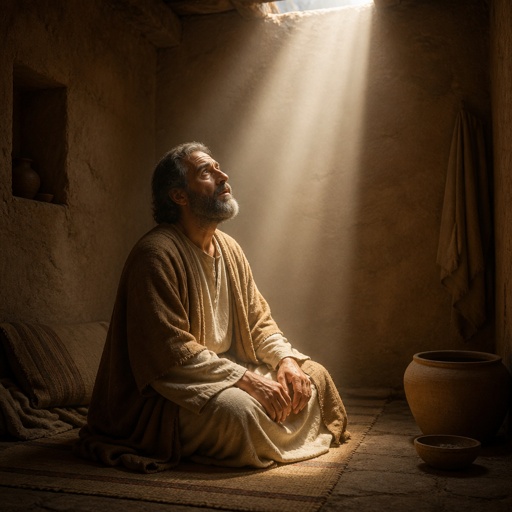
"¶ Moreover the word of the LORD came to me, saying," - Ezekiel 12:17

Ezekiel 3:17

Ezekiel 17:1 - "And the word of the LORD came unto me, saying,"

Ezekiel 22:17 - "And the word of the LORD came unto me, saying,"

ezekiel 47:1-12

ezekiel 47:1-12

ezekiel 47:1-12

ezekiel 47:1-12

ezekiel 47:1-12

Ezekiel 47:1-12

ezekiel 47:1-12

ezekiel 47:1-12

ezekiel 47:1-12

ezekiel 47:1-12

ezekiel 47:1-12

ezekiel 47:1-12

ezekiel 47:1-12

ezekiel 47:1-12

Ezekiel 17:11 - "¶ Moreover the word of the LORD came unto me, saying,"

Genesis 17-12

Ezekiel 1:17 - "When they went, they went upon their four sides: and they turned not when they went."

Ezekiel 14:12 - "¶ The word of the LORD came again to me, saying,"

Ezekiel 47:1-9, 12

Ezekiel 4:17 - "That they may want bread and water, and be astonied one with another, and consume away for their iniquity."

Ezekiel 17:2 - "Son of man, put forth a riddle, and speak a parable unto the house of Israel;"

Ezekiel 7:17 - "All hands shall be feeble, and all knees shall be weak as water."

Ezekiel 12:26 - "¶ Again the word of the LORD came to me, saying,"