What does Ezekiel 1:11 mean?
“Thus were their faces: and their wings were stretched upward; two wings of every one were joined one to another, and two covered their bodies.” — Ezekiel 1:11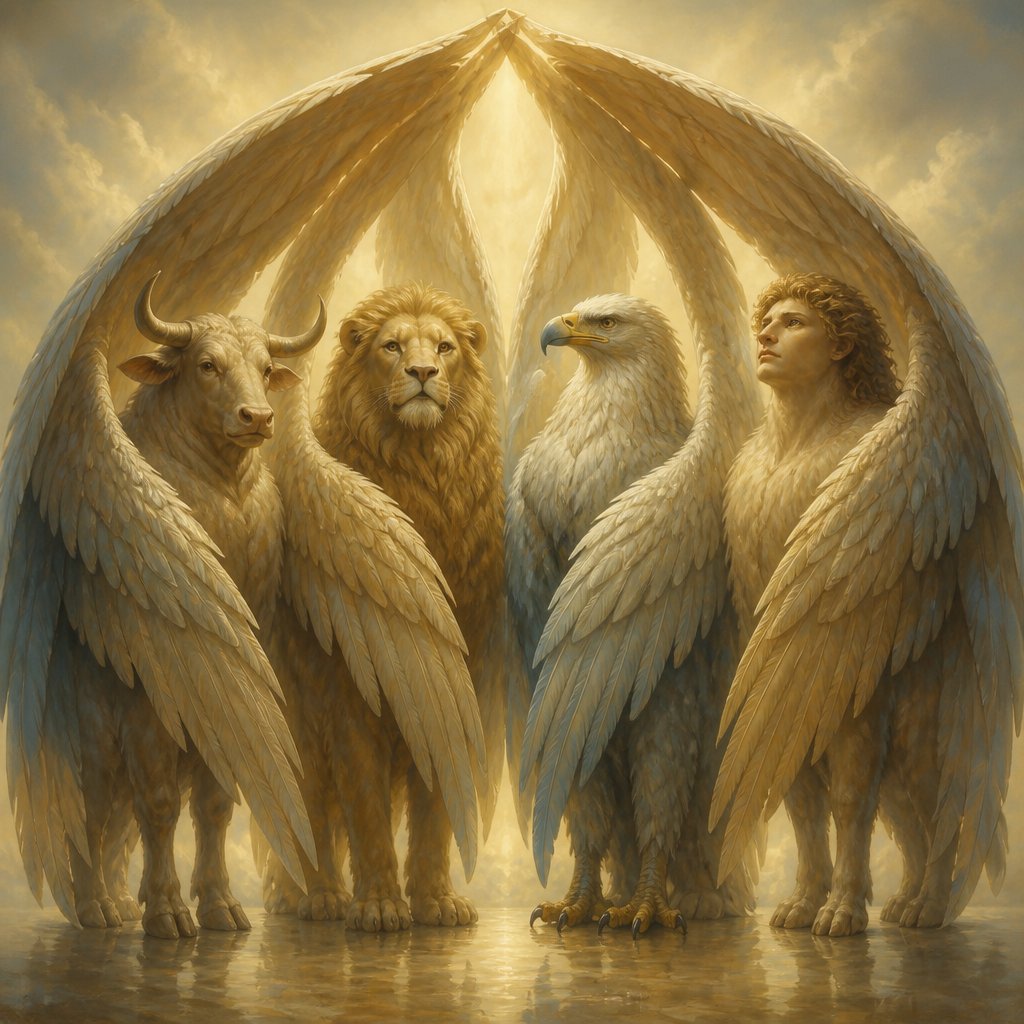
Ezekiel 1:11 in the King James Version reads: "Thus were their faces: and their wings were stretched upward; two wings of every one were joined one to another, and two covered their bodies." This verse is from the first chapter of the book of Ezekiel, which contains the prophet's vision of the divine chariot and the glory of God. In this particular verse, Ezekiel describes the appearance of the four living creatures that he saw in his vision.
To truly understand the meaning and significance of this verse, it is important to consider the broader context of the book of Ezekiel and the historical and cultural background in which it was written. Ezekiel was a prophet who lived during the time of the Babylonian exile, when the people of Judah were taken captive and exiled to Babylon. The book of Ezekiel contains prophecies, visions, and messages from God to the exiled Israelites, urging them to repent and turn back to the Lord.
In Ezekiel's vision, the four living creatures are described as having the likeness of a human, but each with four faces and four wings. These creatures are later identified as cherubim, angelic beings that are often associated with the divine presence and the throne of God. The imagery of wings and faces in this verse is a vivid and symbolic representation of these heavenly beings and their role in the divine order.
The description of the wings being stretched upward and joined to one another can be seen as a representation of the exalted and majestic nature of the cherubim. The image of the wings being stretched upward suggests a sense of elevation and transcendence, symbolizing the heavenly realm and the closeness of these beings to the divine. The joining of the wings together can also be interpreted as a symbol of unity and harmony, reflecting the order and perfection of God's creation.
The two wings that covered the bodies of the living creatures can be seen as a symbol of protection and shelter. In the ancient Near Eastern context, wings were often associated with the protective care of a deity, and the imagery of the wings covering the bodies of the cherubim can be understood as a sign of God's watchful and nurturing presence over His creation. This imagery would have been particularly meaningful to the exiled Israelites, who were longing for the protection and guidance of their God in a foreign land.
The themes of transcendence, unity, and protection in this verse can be seen as reflective of the broader theological message of Ezekiel and the prophetic tradition. The vision of the divine chariot and the living creatures serves as a powerful reminder of the sovereignty and glory of God, as well as His presence and care for His people. In the midst of the exile and the challenges that the Israelites faced, Ezekiel's vision would have offered them hope and assurance of God's faithfulness and power.
In conclusion, Ezekiel 1:11, with its imagery of the cherubim's faces and wings, offers a rich and symbolic representation of the divine order and the majesty of God. This verse serves as a poignant reminder of God's presence and protection, as well as a call to the exiled Israelites to turn back to Him. It is an invitation to contemplate the greatness of God and to trust in His providential care, even in the midst of trials and adversity.
Get our apps


Artwork for Ezekiel 1:11
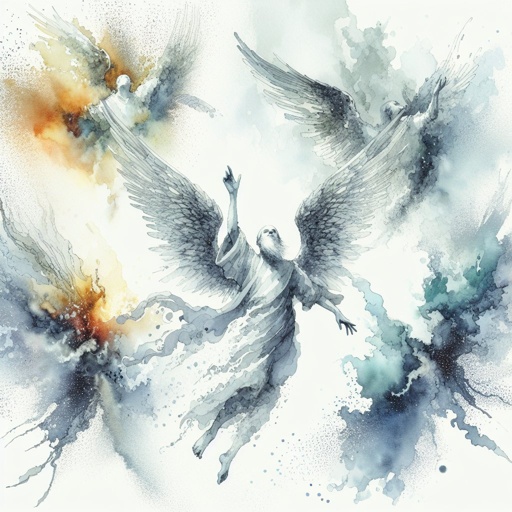
Ezekiel 1:11 - "Thus were their faces: and their wings were stretched upward; two wings of every one were joined one to another, and two covered their bodies."
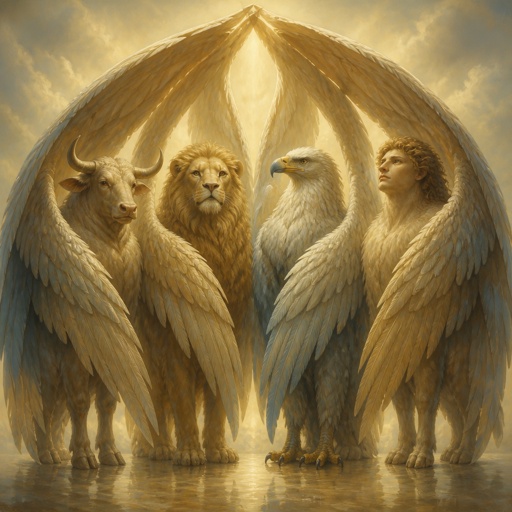
"Thus were their faces: and their wings were stretched upward; two wings of every one were joined one to another, and two covered their bodies." - Ezekiel 1:11

Ezekiel 1:1-28

Ezekiel 1:1-28

Ezekiel 1:1-28

Ezekiel 1:1-28

Ezekiel 1:1-28

Ezekiel 1:1-28

Ezekiel 1:1-28

Ezekiel 1:1-28

Ezekiel 1:1-28

Ezekiel 1:10-11

Ezekiel 1:4-28

Acts 1:1-11

Acts 1:1-11

Revelation 1:11

Isaiah 11:1

Ezekiel 1:1-28 I would like to see your vision of what a cherubim is as it is described in EZEKIEL

Revelation 1:11

Ezekiel 28:11-19

Ezekiel 28:11-19

Ezekiel 28:11-19

Ezekiel 28:11-19

Ezekiel 28:11-19

Ezekiel 28:11-19

Nehemiah 11:1-19

Ezekiel 39:11

Ezekiel 39:11

Ezekiel 1:1-28 I would like to see your vision of what a cherubim is as it is described in EZEKIEL Make sure the wheels have eyes

Ezekiel 1:1-28 I would like to see your vision of what a cherubim is as it is described in EZEKIEL Make sure the wheels have eyes