What does Ezekiel 27:20 mean?
“Dedan was thy merchant in precious clothes for chariots.” — Ezekiel 27:20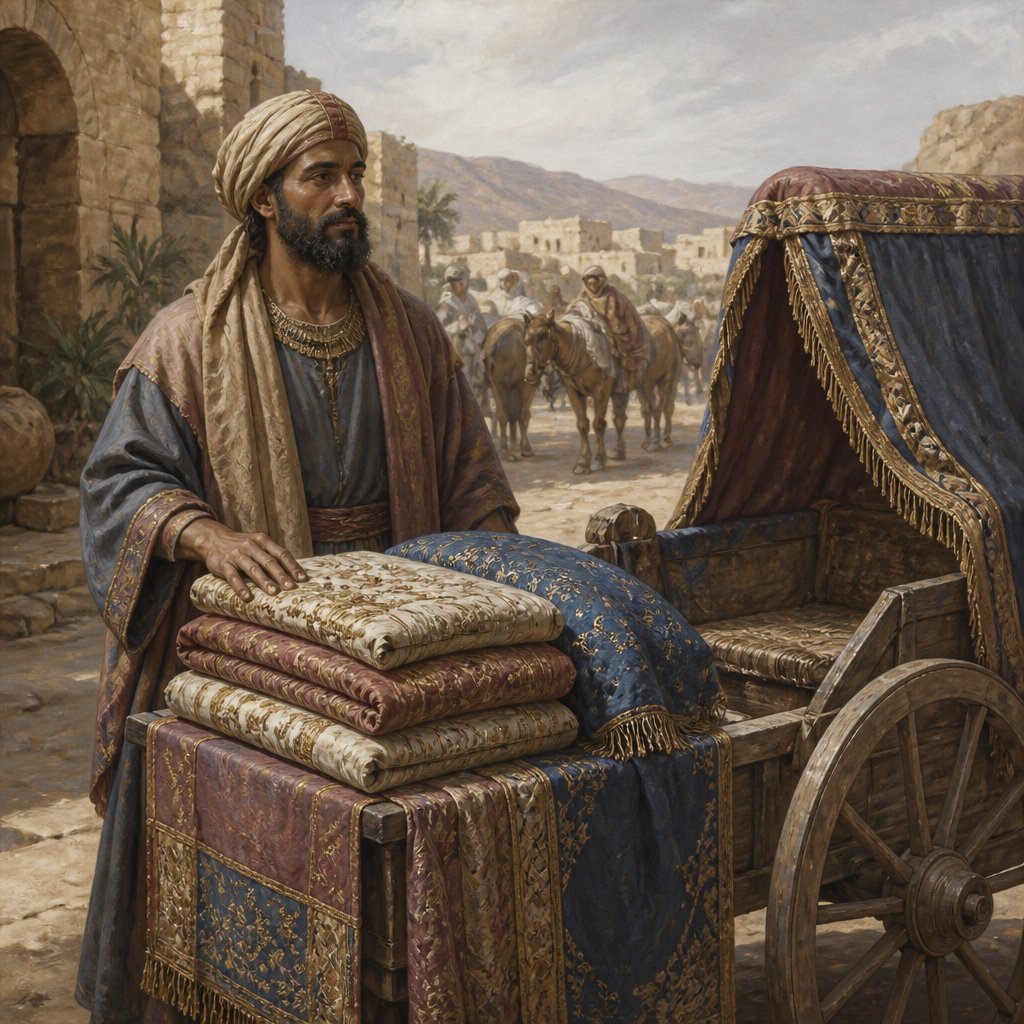
Ezekiel 27:20 in the King James Version (KJV) reads, "Dedan was thy merchant in precious clothes for chariots." This verse comes from a larger passage in which the prophet Ezekiel proclaims a lamentation over the fall of Tyre, a city known for its wealth and trade.
The verse specifically mentions Dedan, a region in the Arabian Peninsula known for its trade in precious clothes for chariots. This detail may seem obscure and unrelated to modern readers, but it holds significant meaning within the context of the time and the overarching themes of the passage.
When examining this verse, it is important to consider its historical and cultural context. Tyre was a major city in the ancient world, renowned for its trade and wealth. As a hub for maritime commerce, Tyre engaged in extensive trading activities with various regions, including Dedan. The mention of Dedan as a merchant in precious clothes for chariots highlights the diverse and far-reaching trade networks of Tyre.
The passage as a whole reflects on the grandeur and splendor of Tyre, which was eventually destroyed and brought to ruin. In this context, Ezekiel's lamentation serves as a warning and a message of divine judgment against the arrogance and corruption that led to the city's downfall.
In a broader sense, this verse and the entire passage speak to the transient nature of worldly wealth and power. The imagery of luxurious goods and prosperous trade emphasizes the fleeting nature of material riches and the ultimate futility of placing one's trust in earthly possessions. It serves as a reminder that true security and prosperity can only be found in a relationship with God.
Symbolically, Dedan's involvement in the trade of precious clothes for chariots can be interpreted as a representation of the allure and seduction of wealth and material possessions. The mention of chariots, which were a symbol of military might and status in ancient times, further emphasizes the transitory nature of earthly power and prestige. In the end, all physical wealth and grandeur will fade away, leaving only the spiritual and eternal truth.
Beyond the immediate context of Tyre's downfall, this verse also carries a timeless message about the dangers of placing excessive focus on worldly possessions. It reminds us that material wealth, while not inherently evil, can lead to spiritual blindness and a misplaced sense of security. Just as Tyre fell from its lofty heights, so too can any individual or society that prioritizes wealth and material gain over spiritual matters.
In conclusion, Ezekiel 27:20 from the KJV offers a profound reflection on the nature of wealth and the transient nature of worldly power. Through the specific mention of Dedan as a merchant in precious clothes for chariots, the verse underscores the fleeting allure of material possessions and the ultimate futility of pursuing earthly riches. It serves as a timeless reminder to prioritize spiritual truths over worldly wealth and to seek lasting security in a relationship with God.
Get our apps


Artwork for Ezekiel 27:20

Ezekiel 27:20 - "Dedan was thy merchant in precious clothes for chariots."
"Dedan was thy merchant in precious clothes for chariots." - Ezekiel 27:20
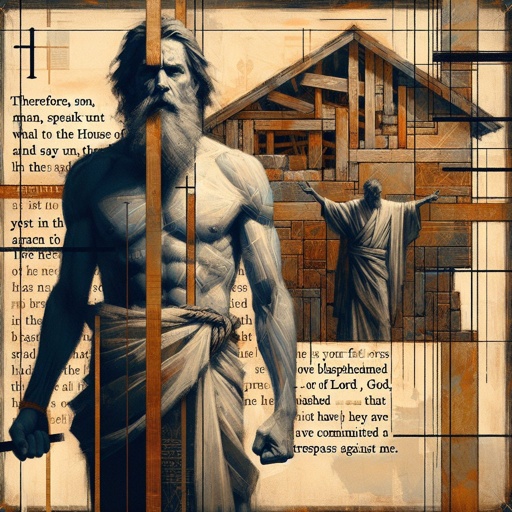
Ezekiel 20:27 - "¶ Therefore, son of man, speak unto the house of Israel, and say unto them, Thus saith the Lord GOD; Yet in this your fathers have blasphemed me, in that they have committed a trespass against me."

Exodus 27:20

Exodus 27:20

John 20:27

Exodus 27:20

John 20:27

Ezekiel 20:41

Ezekiel 20:40

Ezekiel 20:41

Ezekiel 20:41

Ezekiel 20:40

Ezekiel 20:40

Ezekiel 20:41

Ezekiel 20:40

Ezekiel 20:41

Ezekiel 20:41

Exodus 27:19-20

Ezekiel 27:28 - "The suburbs shall shake at the sound of the cry of thy pilots."

Ezekiel 27:1 - "The word of the LORD came again unto me, saying,"

Ezekiel 27:14 - "They of the house of Togarmah traded in thy fairs with horses and horsemen and mules."

Ezekiel 27:2 - "Now, thou son of man, take up a lamentation for Tyrus;"

1 Samuel 20:27-29
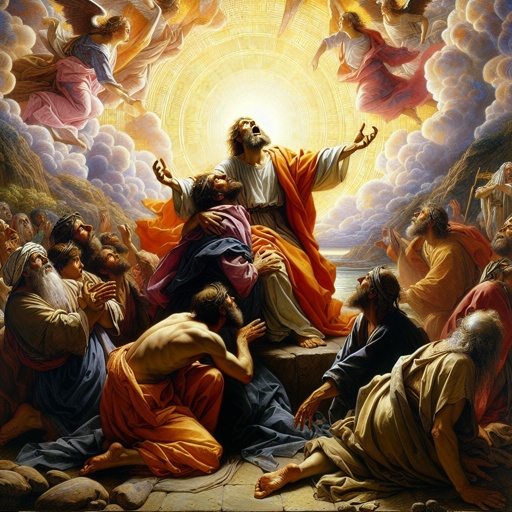
1 Samuel 20:27-30

Ezekiel 27:23 - "Haran, and Canneh, and Eden, the merchants of Sheba, Asshur, and Chilmad, were thy merchants."

Ezekiel 48:27 - "And by the border of Zebulun, from the east side unto the west side, Gad a portion."

Ezekiel 27:4 - "Thy borders are in the midst of the seas, thy builders have perfected thy beauty."

Ezekiel 20:2 - "Then came the word of the LORD unto me, saying,"

Exodus 27:20 the lamp is made of brass