What does Ezekiel 9:8 mean?
“And it came to pass, while they were slaying them, and I was left, that I fell upon my face, and cried, and said, Ah Lord GOD! wilt thou destroy all the residue of Israel in thy pouring out of thy fury upon Jerusalem?” — Ezekiel 9:8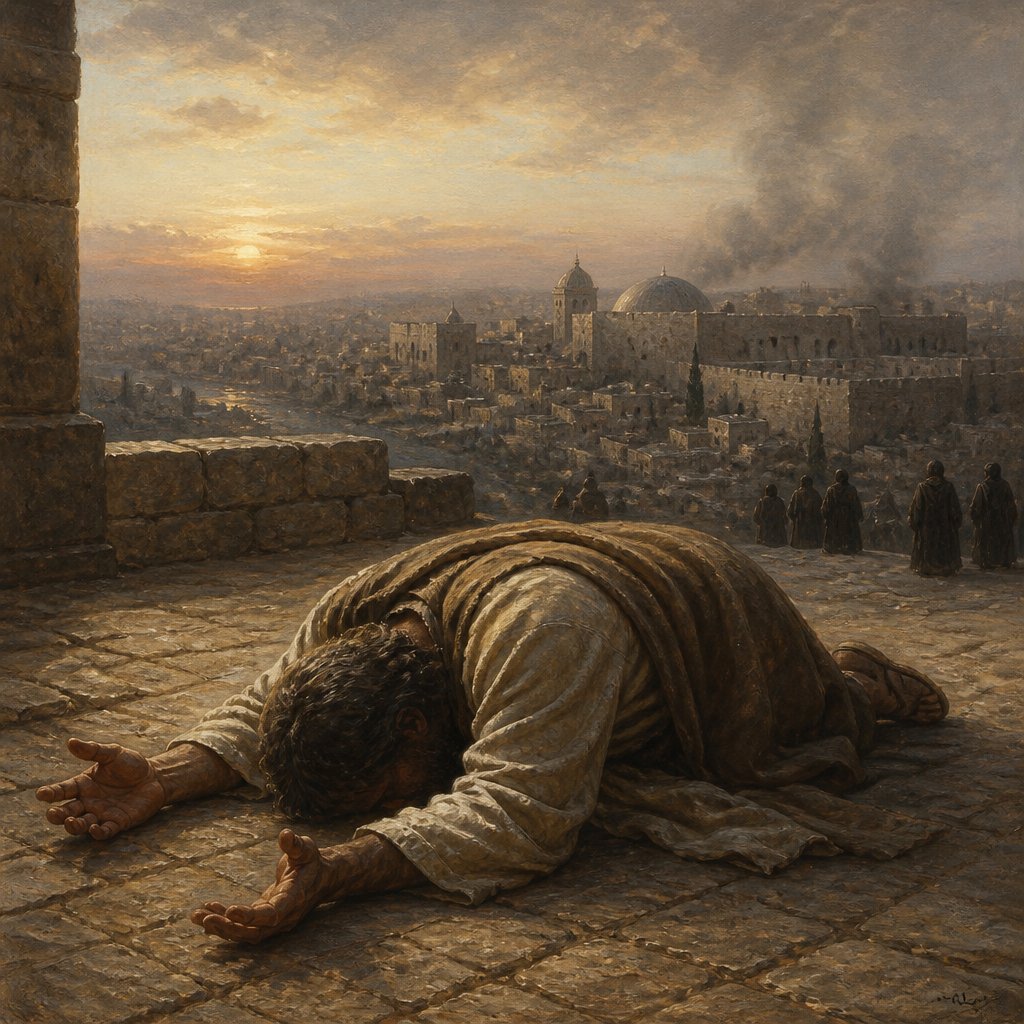
The verse Ezekiel 9:8 from the King James Version (KJV) of the Bible states: "And it came to pass, while they were slaying them, and I was left, that I fell upon my face, and cried, and said, Ah Lord God! wilt thou destroy all the residue of Israel in thy pouring out of thy fury upon Jerusalem?"
This verse comes from the book of Ezekiel, which is part of the Major Prophets in the Old Testament. In this particular verse, the prophet Ezekiel is witnessing a vision of destruction and judgment upon Jerusalem. The context of this verse is important for understanding its deeper meaning and significance.
The book of Ezekiel is set during a tumultuous time in Israel's history. The nation is facing the consequences of their disobedience and rebellion against God. The people have gone astray, and the city of Jerusalem is on the brink of destruction. In the preceding verses, God commands His angels to go through the city and put a mark on the foreheads of those who grieve and lament over the detestable practices taking place in the city. These individuals are spared from the impending judgment, while those without the mark are to be slain without mercy, regardless of age or gender.
In Ezekiel 9:8, the prophet has been left standing alone after witnessing the slaughter of those who did not have the mark. Overwhelmed by the devastation and the seemingly harsh judgment of God, Ezekiel falls on his face and cries out to the Lord. He questions whether God will destroy all of Israel, expressing his concern for the fate of the remaining people in Jerusalem.
The themes present in this verse are judgment, mercy, and the righteousness of God. It raises profound questions about the nature of God's justice and the consequences of disobedience. The image of the prophet falling on his face and crying out to the Lord reveals his deep sense of sorrow and empathy for his people, even in the midst of their punishment.
The context of this verse also sheds light on the symbolism it contains. The mark placed on the foreheads of the righteous serves as a symbol of God's mercy and protection. It signifies the separation of those who remain faithful to God in the midst of a corrupt and sinful society. The slaughter of the unmarked individuals represents the severity of God's judgment on those who persist in their rebellion against Him.
At its core, Ezekiel 9:8 reflects the tension between God's justice and His mercy. It raises questions about the extent of God's wrath and the hope for redemption in the face of destruction. It also highlights the role of the prophet as an intercessor, pleading with God on behalf of his people, despite their unfaithfulness.
Overall, Ezekiel 9:8 is a poignant and thought-provoking verse that invites contemplation on the complexities of divine judgment and the human response to it. It serves as a powerful reminder of the consequences of disobedience and the need for repentance, while also emphasizing the compassionate and empathetic heart of God towards His people.
Get our apps


Artwork for Ezekiel 9:8

Ezekiel 9:8 - "¶ And it came to pass, while they were slaying them, and I was left, that I fell upon my face, and cried, and said, Ah Lord GOD! wilt thou destroy all the residue of Israel in thy pouring out of thy fury upon Jerusalem?"
"¶ And it came to pass, while they were slaying them, and I was left, that I fell upon my face, and cried, and said, Ah Lord GOD! wilt thou destroy all the residue of Israel in thy pouring out of thy fury upon Jerusalem?" - Ezekiel 9:8

Ezekiel 8:9 - "And he said unto me, Go in, and behold the wicked abominations that they do here."
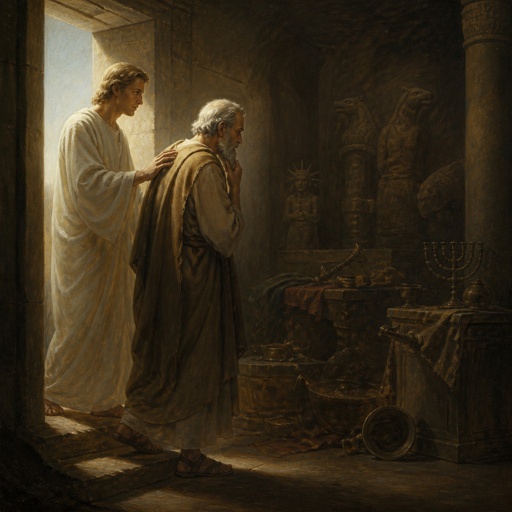
"And he said unto me, Go in, and behold the wicked abominations that they do here." - Ezekiel 8:9

ezekiel 8:3

ezekiel 47:8-10

ezekiel 47:8-10

ezekiel 47:8-10

ezekiel 47:8-10

Ezekiel 33:3-9

ezekiel 47:8-10

Ezekiel 47:1-9, 12

Ezekiel 34:9 - "Therefore, O ye shepherds, hear the word of the LORD;"

Ezekiel 10:8 - "¶ And there appeared in the cherubims the form of a man's hand under their wings."

Ezekiel 8:8 - "Then said he unto me, Son of man, dig now in the wall: and when I had digged in the wall, behold a door."

Ezekiel 12:8 - "¶ And in the morning came the word of the LORD unto me, saying,"

Ezekiel 21:8 - "¶ Again the word of the LORD came unto me, saying,"

Ezekiel 40:8 - "He measured also the porch of the gate within, one reed."

Neh 8:9

Zachariah 9:8
Ps37:8-9

Ezekiel 8:4 - "And, behold, the glory of the God of Israel was there, according to the vision that I saw in the plain."

Ezekiel 15:8 - "And I will make the land desolate, because they have committed a trespass, saith the Lord GOD."

Ezekiel 22:8 - "Thou hast despised mine holy things, and hast profaned my sabbaths."

Esther 9:8 - "And Poratha, and Adalia, and Aridatha,"

Ezekiel 42:9 - "And from under these chambers was the entry on the east side, as one goeth into them from the utter court."

Ezekiel 2:9 - "And when I looked, behold, an hand was sent unto me; and, lo, a roll of a book was therein;"

Judges 9:8-15

Ezekiel 39:8 - "¶ Behold, it is come, and it is done, saith the Lord GOD; this is the day whereof I have spoken."

Ezekiel 8:7 - "¶ And he brought me to the door of the court; and when I looked, behold a hole in the wall."