What does Ezra 10:28 mean?
“Of the sons also of Bebai; Jehohanan, Hananiah, Zabbai, and Athlai.” — Ezra 10:28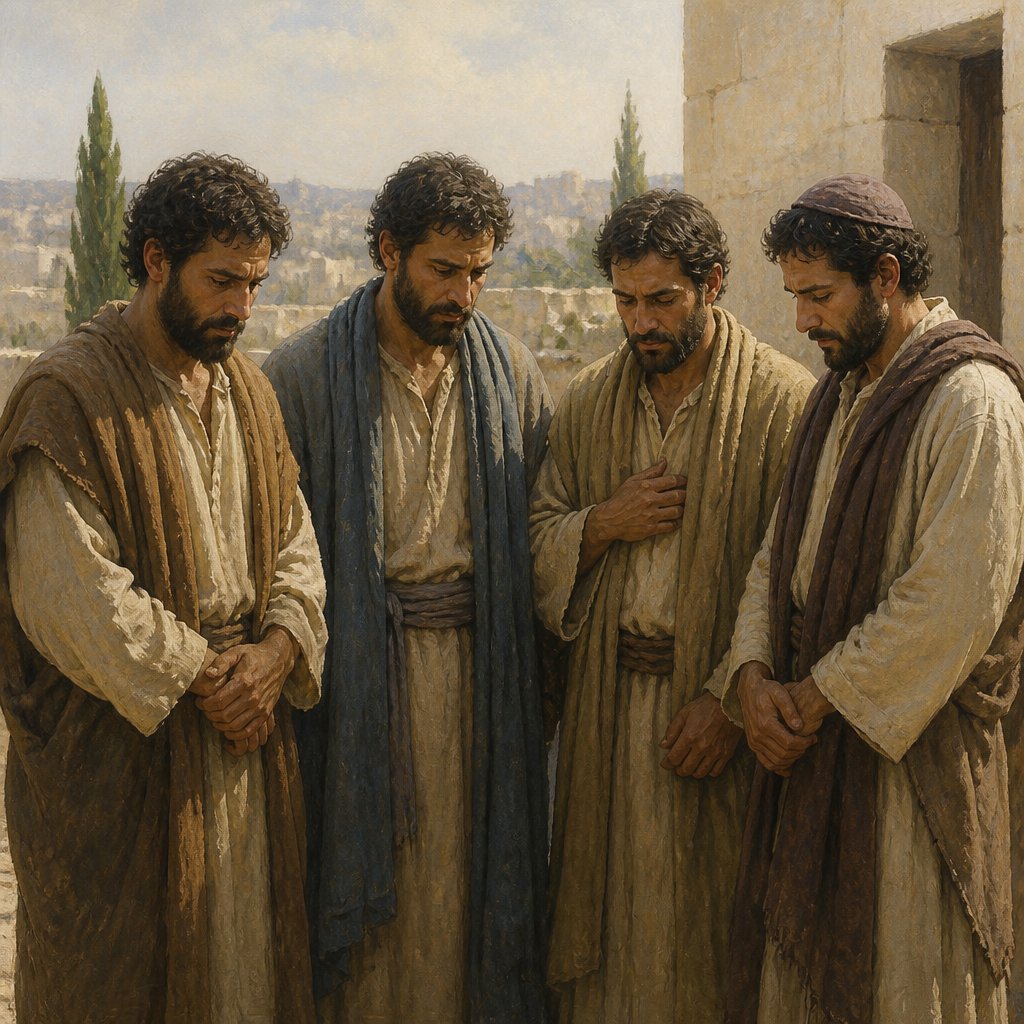
Ezra 10:28 (KJV) says, "Of the sons also of Bebai; Jehohanan, Hananiah, Zabbai, and Athlai."
The book of Ezra is found in the Old Testament, and it is a historical and narrative text that describes the return of the exiles from Babylon to Jerusalem, as well as the rebuilding of the temple. The verse in question comes from the latter part of the book when Ezra is dealing with the issue of intermarriage between the Israelites and foreign women. This specific verse mentions the sons of Bebai who had taken foreign wives and were therefore required to put away their wives and the children born from these unions.
This verse comes in the context of a larger discussion about the importance of maintaining purity and obedience to God's commands. The people of Israel had been commanded not to intermarry with foreign nations as it would lead them to worship other gods and go astray from the Lord. The book of Ezra details the processes of purging the Israelite community of this sin in order to maintain their identity as God's holy people.
The names mentioned in this verse, Jehohanan, Hananiah, Zabbai, and Athlai, serve as a historical record of those who were found to have taken foreign wives and were required to separate from them. The listing of their names in the Bible serves as a reminder of the consequences of disobedience and the importance of upholding the law of God.
Overall, this verse serves as a reminder of the seriousness of obeying God's commands and the consequences of failing to do so. It also serves as a historical record of a specific instance of disobedience within the Israelite community and the steps taken to correct it. The verse emphasizes the importance of maintaining the purity of the community and the need to separate from anything that would compromise their relationship with God.
The theme of obedience and purity is a central theme in this verse, as well as in the broader context of the book of Ezra. The Israelites were called to be a holy and distinct people, set apart for God's purposes. The issue of intermarriage with foreign nations was a direct threat to their identity and faithfulness to the Lord. The verse serves as a reflection of the ongoing struggle of the Israelites to remain faithful to God's commands and the consequences of disobedience.
Symbolically, the names mentioned in this verse serve as a reminder of the individual responsibility and accountability of each person within the community. Each person is named and held accountable for their actions, reflecting the personal nature of obedience and faithfulness to God. Additionally, the act of putting away foreign wives and children symbolizes the need for the Israelites to separate themselves from anything that would lead them away from God, emphasizing the importance of maintaining purity and holiness.
In conclusion, Ezra 10:28 is a verse that serves as a reminder of the importance of obedience and purity in the life of the Israelite community. It reflects the ongoing struggle of the Israelites to remain faithful to God's commands and the consequences of disobedience. The verse also serves as a historical record of a specific instance of disobedience and the steps taken to correct it, serving as a reminder of the individual responsibility and accountability within the community. Ultimately, this verse emphasizes the central theme of obedience and faithfulness to God's commands, as well as the need to maintain purity and holiness in their relationship with God.
Get our apps


Artwork for Ezra 10:28

Ezra 10:28 - "Of the sons also of Bebai; Jehohanan, Hananiah, Zabbai, and Athlai."
"Of the sons also of Bebai; Jehohanan, Hananiah, Zabbai, and Athlai." - Ezra 10:28

Ezra 10:10-12

Ezra 10:10 - "And Ezra the priest stood up, and said unto them, Ye have transgressed, and have taken strange wives, to increase the trespass of Israel."

Ezra 10:3

Ezra 3:10
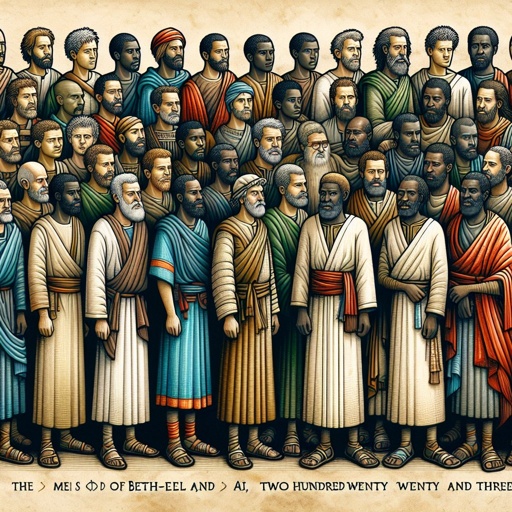
Ezra 2:28 - "The men of Beth-el and Ai, two hundred twenty and three."

Ezra 10:3

Ezra 10:5 - "Then arose Ezra, and made the chief priests, the Levites, and all Israel, to swear that they should do according to this word. And they sware."

Ezra 7:10 - "For Ezra had prepared his heart to seek the law of the LORD, and to do it, and to teach in Israel statutes and judgments."

Ezra 10:38 - "And Bani, and Binnui, Shimei,"

Ezra 10:37 - "Mattaniah, Mattenai, and Jaasau,"

Ezra 10:40 - "Machnadebai, Shashai, Sharai,"

Ezra 10:32 - "Benjamin, Malluch, and Shemariah."

Ezra 10:35 - "Benaiah, Bedeiah, Chelluh,"

Ezra 10:41 - "Azareel, and Shelemiah, Shemariah,"

Ezra 10:36 - "Vaniah, Meremoth, Eliashib,"

Ezra 10:42 - "Shallum, Amariah, and Joseph."

Ezra 10:39 - "And Shelemiah, and Nathan, and Adaiah,"

Ezra 10:20 - "And of the sons of Immer; Hanani, and Zebadiah."

Ezra 10:34 - "Of the sons of Bani; Maadai, Amram, and Uel,"

Ezra 2:10 - "The children of Bani, six hundred forty and two."

Ezra 10:24 - "Of the singers also; Eliashib: and of the porters; Shallum, and Telem, and Uri."

Ezra 10:21 - "And of the sons of Harim; Maaseiah, and Elijah, and Shemaiah, and Jehiel, and Uzziah."

Ezra 10:31 - "And of the sons of Harim; Eliezer, Ishijah, Malchiah, Shemaiah, Shimeon,"

"Azareel, and Shelemiah, Shemariah," - Ezra 10:41

"And Bani, and Binnui, Shimei," - Ezra 10:38

"And Shelemiah, and Nathan, and Adaiah," - Ezra 10:39

"Vaniah, Meremoth, Eliashib," - Ezra 10:36

"Machnadebai, Shashai, Sharai," - Ezra 10:40