What does Ezra 10:33 mean?
“Of the sons of Hashum; Mattenai, Mattathah, Zabad, Eliphelet, Jeremai, Manasseh, and Shimei.” — Ezra 10:33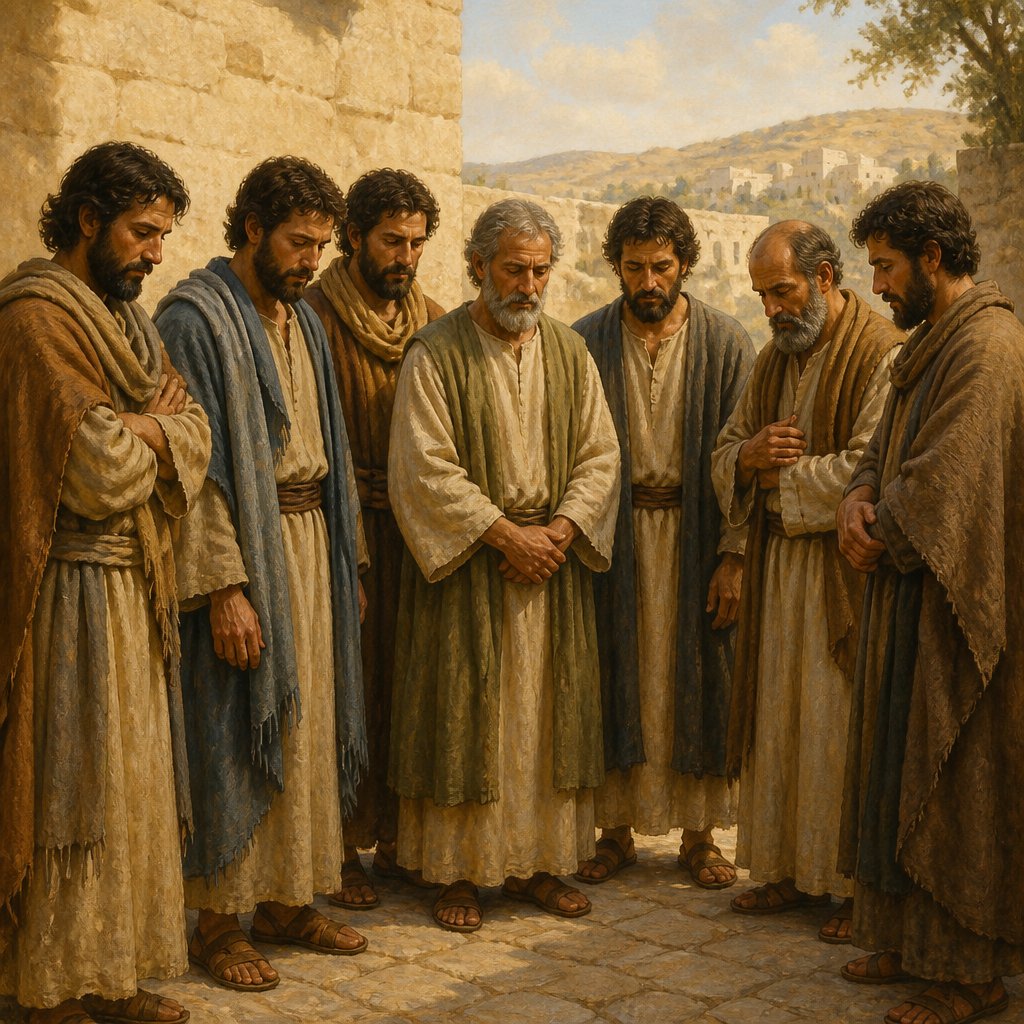
The book of Ezra in the Bible is a historical account of the Israelites' return from exile in Babylon and the reconstruction of the temple in Jerusalem. The verse Ezra 10:33 in the King James Version reads: "Of the sons of Hashum; Mattenai, Mattathah, Zabad, Eliphelet, Jeremai, Manasseh, and Shimei."
This verse appears in the context of a list of the leaders of the Israelites who were found to have taken foreign wives, contrary to the law of Moses. This intermarriage was seen as a violation of the covenant between God and the Israelites, and it created a moral and spiritual crisis for the returning exiles. The leaders were called to publicly acknowledge their guilt and to separate themselves from their foreign wives as a sign of their repentance and commitment to God's law.
In order to fully understand the meaning and significance of this verse, it is important to consider the broader themes and context of the book of Ezra. One of the central themes of the book of Ezra is the restoration of the Israelites to their land and the reestablishment of their covenant relationship with God. The Israelites had been exiled to Babylon as a result of their disobedience to God, but now they were being given a second chance to live in obedience to Him.
The issue of intermarriage with foreign women was particularly significant because it represented a threat to the purity of the Israelite community and their commitment to Yahweh. The Israelites were called to be a holy nation, set apart for God's purposes, and intermarriage with foreign women was seen as a compromise of their spiritual and moral integrity.
The names listed in Ezra 10:33 are those of the sons of Hashum, one of the Israelite leaders who had taken foreign wives. The inclusion of these names in the biblical account serves as a reminder of the personal responsibility of these individuals in the spiritual crisis that had befallen the community. It also highlights the importance of leadership in upholding the covenant and setting an example for the rest of the community.
The act of separating from their foreign wives was a public acknowledgment of their guilt and a demonstration of their willingness to repent and recommit to the covenant with God. This act signified a renewal of their commitment to purity and holiness, as well as their willingness to obey God's law.
In a broader sense, this verse serves as a reminder of the ongoing struggle of God's people to remain faithful to Him and to resist the temptations and pressures of the surrounding culture. It also emphasizes the importance of personal responsibility and leadership in upholding God's standards and maintaining the purity of the community.
Symbolically, the act of separating from the foreign wives represents a purification process, in which the Israelites cleanse themselves of any impurity and recommit to their exclusive relationship with God. It also serves as a reminder of the importance of maintaining spiritual and moral integrity in the face of cultural and societal pressures.
In conclusion, Ezra 10:33 in the King James Version is a significant verse within the broader context of the book of Ezra. It highlights the theme of spiritual renewal and the importance of obedience to God's law, as well as the personal responsibility and leadership required to uphold the covenant. The act of separating from the foreign wives symbolizes a purification and renewal of the Israelite community's commitment to God.
Get our apps


Artwork for Ezra 10:33

Ezra 10:33 - "Of the sons of Hashum; Mattenai, Mattathah, Zabad, Eliphelet, Jeremai, Manasseh, and Shimei."
"Of the sons of Hashum; Mattenai, Mattathah, Zabad, Eliphelet, Jeremai, Manasseh, and Shimei." - Ezra 10:33

Nehemiah 12:33 - "And Azariah, Ezra, and Meshullam,"

"And Azariah, Ezra, and Meshullam," - Nehemiah 12:33
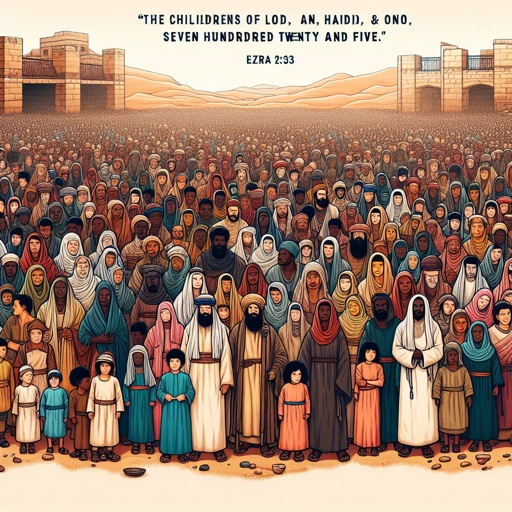
Ezra 2:33 - "The children of Lod, Hadid, and Ono, seven hundred twenty and five."

Ezra 10:10-12

Ezra 10:10 - "And Ezra the priest stood up, and said unto them, Ye have transgressed, and have taken strange wives, to increase the trespass of Israel."

Ezra 10:3

Ezra 3:10

Ezra 10:3

Ezra 10:5 - "Then arose Ezra, and made the chief priests, the Levites, and all Israel, to swear that they should do according to this word. And they sware."

Ezra 7:10 - "For Ezra had prepared his heart to seek the law of the LORD, and to do it, and to teach in Israel statutes and judgments."

Ezra 10:38 - "And Bani, and Binnui, Shimei,"

Ezra 10:37 - "Mattaniah, Mattenai, and Jaasau,"

Ezra 10:40 - "Machnadebai, Shashai, Sharai,"

Ezra 10:32 - "Benjamin, Malluch, and Shemariah."

Ezra 10:36 - "Vaniah, Meremoth, Eliashib,"

Ezra 10:35 - "Benaiah, Bedeiah, Chelluh,"

Ezra 10:42 - "Shallum, Amariah, and Joseph."

Ezra 10:41 - "Azareel, and Shelemiah, Shemariah,"

Ezra 10:39 - "And Shelemiah, and Nathan, and Adaiah,"

Ezra 10:20 - "And of the sons of Immer; Hanani, and Zebadiah."

Ezra 10:34 - "Of the sons of Bani; Maadai, Amram, and Uel,"
"The children of Lod, Hadid, and Ono, seven hundred twenty and five." - Ezra 2:33

Ezra 2:10 - "The children of Bani, six hundred forty and two."

Ezra 10:21 - "And of the sons of Harim; Maaseiah, and Elijah, and Shemaiah, and Jehiel, and Uzziah."

Ezra 10:24 - "Of the singers also; Eliashib: and of the porters; Shallum, and Telem, and Uri."

Ezra 10:28 - "Of the sons also of Bebai; Jehohanan, Hananiah, Zabbai, and Athlai."

Ezra 10:31 - "And of the sons of Harim; Eliezer, Ishijah, Malchiah, Shemaiah, Shimeon,"

"Azareel, and Shelemiah, Shemariah," - Ezra 10:41