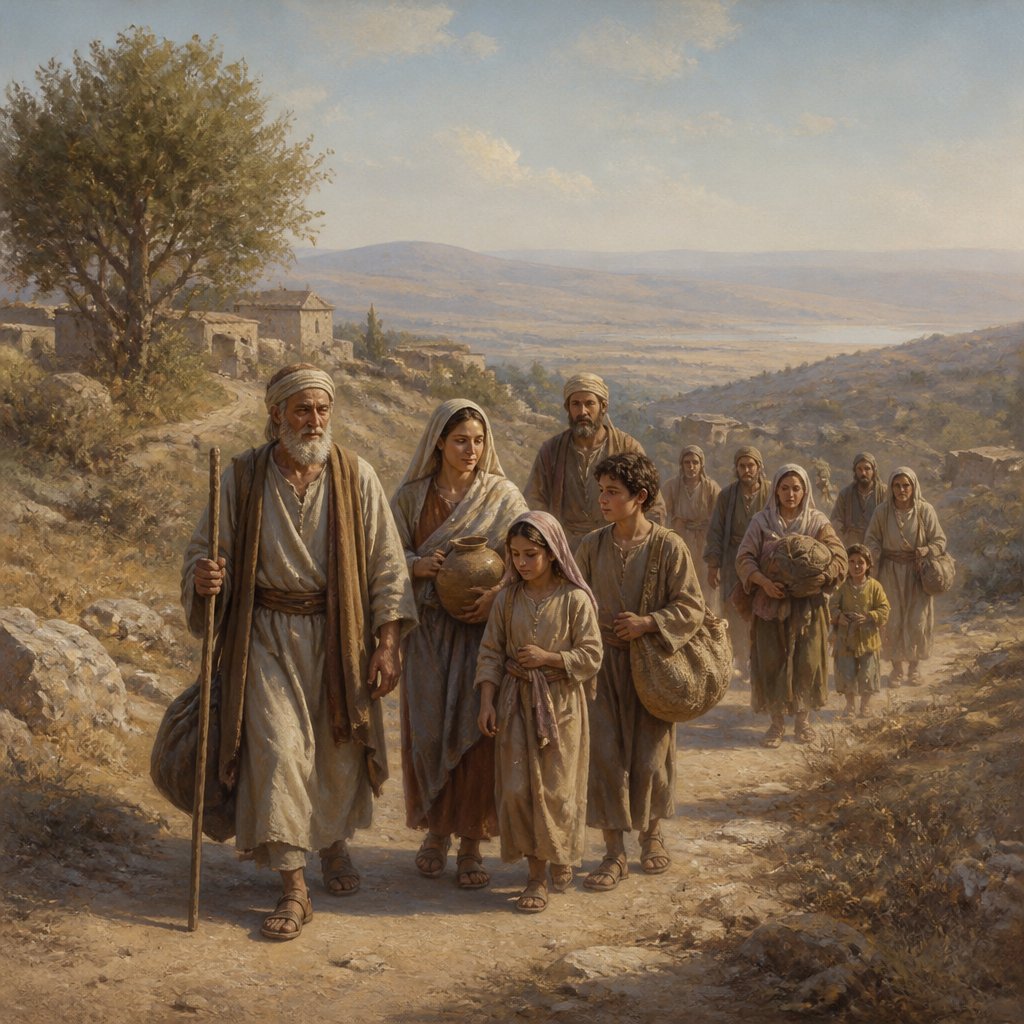
Ezra 2:29 in the King James Version of the Bible reads: "The men of Kirjathjearim, Chephirah, and Beeroth, seven hundred forty and three."
This verse is part of the long list of the families who returned to Jerusalem from Babylonian captivity. The book of Ezra provides the historical account of the decree of Cyrus the Great, the return of the exiles, and the rebuilding of the temple in Jerusalem. The return of the exiles was a significant event in Jewish history as it marked the end of their captivity and the beginning of a new chapter for the nation of Israel.
The men of Kirjathjearim, Chephirah, and Beeroth were among those who returned to Jerusalem. It is important to note that the inclusion of these names in the list serves as a reminder of the faithfulness of God in restoring his people and fulfilling his promises. The act of returning to Jerusalem was not just a physical journey, but also a spiritual one, as the people were returning to their promised land and to the worship of their God.
The significance of the number "seven hundred forty and three" is also not to be overlooked. In the Bible, the number seven is often associated with completeness and perfection. This number is used throughout the Bible to represent the fullness of God's work and his perfect plan. In this context, the number seven hundred forty and three represents the completeness of the families who returned to Jerusalem, emphasizing the magnitude of the return and the fulfillment of God's plan for his people.
The themes present in Ezra 2:29 include restoration, faithfulness, and fulfillment of prophecy. The return of the exiles to Jerusalem marks a significant moment of restoration for the nation of Israel. The act of returning to their homeland and rebuilding the temple was a testament to God's faithfulness in fulfilling his promises to his people. This theme of restoration and faithfulness is woven throughout the entire book of Ezra and serves as a reminder of God's sovereignty and commitment to his people.
Additionally, the verse emphasizes the fulfillment of prophecy. The return of the exiles to Jerusalem was foreshadowed by the prophets of the Old Testament, and the events described in the book of Ezra serve as the realization of those prophecies. This further underscores the faithfulness of God and his commitment to fulfilling his word.
Symbolism in this verse can be found in the names of the cities mentioned: Kirjathjearim, Chephirah, and Beeroth. Throughout the Bible, names often carry significant meaning and represent the character or history of a place or person. Kirjathjearim, for example, means "city of forests" or "city of woods", and it is where the Ark of the Covenant was kept for a time (1 Samuel 7:1-2). Chephirah means "village of atonement", and Beeroth means "wells".
These names can be seen as symbolic of the spiritual significance of the return to Jerusalem. The city of forests can be seen to represent the promise of abundance and provision in the land of Israel. The village of atonement represents the redemption and atonement that the people sought in returning to their homeland. And the wells in Beeroth symbolize the spiritual refreshment and renewal that the people experienced upon their return.
In conclusion, Ezra 2:29 carries profound meaning and significance within the broader context of the book of Ezra and the history of the nation of Israel. The verse serves as a reminder of God's faithfulness, the fulfillment of prophecy, and the spiritual restoration of his people. The inclusion of specific names and numbers in the verse further emphasizes the depth of God's plan and the completeness of his work.
Get our apps


Artwork for Ezra 2:29

Ezra 2:29 - "The children of Nebo, fifty and two."
"The children of Nebo, fifty and two." - Ezra 2:29

Ezra 2:9 - "The children of Zaccai, seven hundred and threescore."

"The children of Zaccai, seven hundred and threescore." - Ezra 2:9

Ezra 10:29 - "And of the sons of Bani; Meshullam, Malluch, and Adaiah, Jashub, and Sheal, and Ramoth."
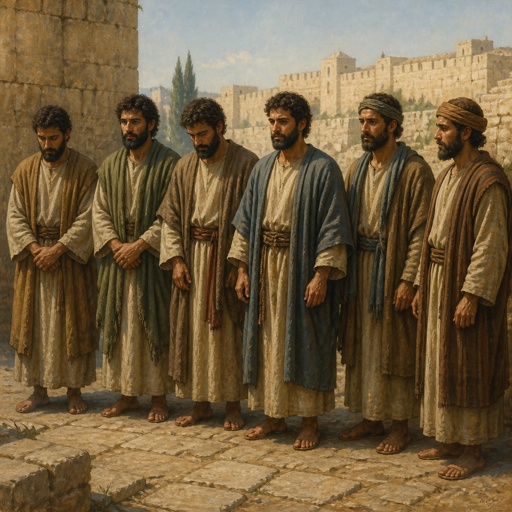
"And of the sons of Bani; Meshullam, Malluch, and Adaiah, Jashub, and Sheal, and Ramoth." - Ezra 10:29

Ezra 3:2

Ezra 3:2

Ezra 3:2
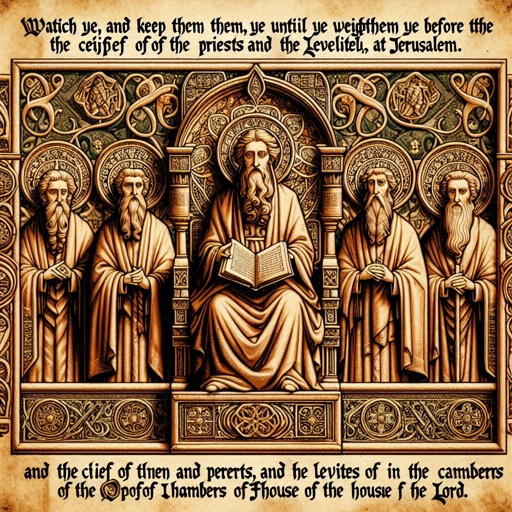
Ezra 8:29 - "Watch ye, and keep them, until ye weigh them before the chief of the priests and the Levites, and chief of the fathers of Israel, at Jerusalem, in the chambers of the house of the LORD."

Ezra 3:2

Ezra 3:2

Ezra 9:1-2

Zerubbabel in Ezra chapter 2

Ezra 2:22 - "The men of Netophah, fifty and six."
Ezra 2:18 - "The children of Jorah, an hundred and twelve."

Ezra 2:54 - "The children of Neziah, the children of Hatipha."

Ezra 2:20 - "The children of Gibbar, ninety and five."

Ezra 2:24 - "The children of Azmaveth, forty and two."

Ezra 2:39 - "The children of Harim, a thousand and seventeen."

Ezra 9:1-2

Ezra 2:27 - "The men of Michmas, an hundred twenty and two."

Ezra 2:56 - "The children of Jaalah, the children of Darkon, the children of Giddel,"

Ezra 2:11 - "The children of Bebai, six hundred twenty and three."

Ezra 2:53 - "The children of Barkos, the children of Sisera, the children of Thamah,"

Ezra 2:45 - "The children of Lebanah, the children of Hagabah, the children of Akkub,"

Ezra 2:48 - "The children of Rezin, the children of Nekoda, the children of Gazzam,"

Ezra 2:15 - "The children of Adin, four hundred fifty and four."

Ezra 2:21 - "The children of Beth-lehem, an hundred twenty and three."

Ezra 2:51 - "The children of Bakbuk, the children of Hakupha, the children of Harhur,"