What does Ezra 2:47 mean?
“The children of Giddel, the children of Gahar, the children of Reaiah,” — Ezra 2:47
Ezra 2:47 in the King James Version of the Bible reads, "The children of Keros, the children of Sia, the children of Padon." This verse comes from the Book of Ezra, which is a book of the Hebrew Bible and the Old Testament. The Book of Ezra tells the story of the exiles returning to Jerusalem from Babylon and the rebuilding of the Temple.
In this verse, we see a list of names - the children of Keros, Sia, and Padon. At first glance, this verse may seem insignificant and unrelated to the overarching themes of the book. However, when we dig deeper, we can uncover a deeper meaning and commentary.
The context of this verse is important to understand. The book of Ezra is set after the Babylonian exile when the Jews were allowed to return to Jerusalem. The returning exiles faced many challenges, including rebuilding the city and the temple, as well as reestablishing their religious practices and community. The verses leading up to Ezra 2:47 detail the numbers of the men and women who returned to Judah and Jerusalem from the captivity in Babylon. The list of names in this verse is part of a longer passage that documents the families and individuals who returned.
One of the key themes of the Book of Ezra is the restoration of God's people. The return from exile marked a pivotal moment in Jewish history, where they were given a chance to seek forgiveness and renewal with God. The verse serves as a reminder of God's faithfulness to His people, even in the midst of their exile and hardships. Each name listed represents a family and a story of redemption and liberation, emphasizing the importance of each individual in the larger narrative of God's plan for His people.
The symbolism of the names in Ezra 2:47 can also be examined. In biblical times, names held significant meaning and often reflected a person's character or destiny. The names Keros, Sia, and Padon may hold symbolic meanings that are not explicitly stated in the text, but could have deeper implications for the reader. For example, "Keros" may represent strength or resilience, "Sia" could signify wisdom or guidance, and "Padon" might suggest forgiveness or grace. These symbolic meanings can be seen as reflecting the qualities and attributes needed for the restoration and rebuilding of Jerusalem.
Furthermore, as part of the larger list of returning exiles, the names in Ezra 2:47 illustrate the diversity and unity of God's people. Each family and individual played a part in the larger story of restoration, and their inclusion in the list signifies their value and significance in the eyes of God. This serves as a reminder that every person has a role to play in God's plan, no matter how seemingly insignificant.
In conclusion, while Ezra 2:47 may appear to be a simple list of names, it holds deeper meanings and significance within the context of the Book of Ezra. It reflects the themes of restoration, redemption, and the value of every individual in God's plan. The verse serves as a reminder of God's faithfulness and the importance of every member of His people in the fulfillment of His purposes.
Get our apps


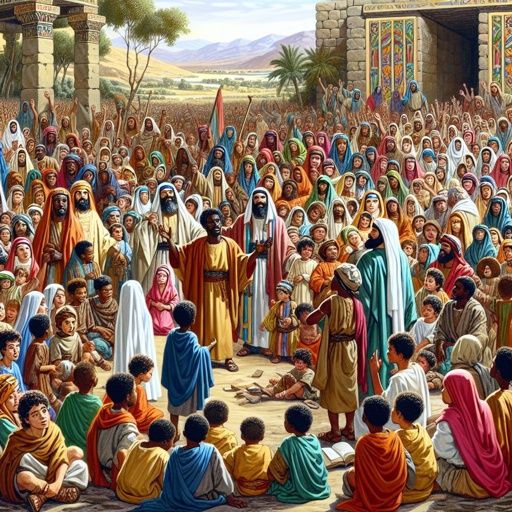
Artwork for Ezra 2:47

Ezra 2:47 - "The children of Giddel, the children of Gahar, the children of Reaiah,"

"The children of Giddel, the children of Gahar, the children of Reaiah," - Ezra 2:47

Ezra 3:2

Ezra 3:2

Ezra 3:2

Ezra 3:2

Ezra 3:2

Luke 2:47 - "And all that heard him were astonished at his understanding and answers."

Ezra 9:1-2

Zerubbabel in Ezra chapter 2

Ezra 2:22 - "The men of Netophah, fifty and six."
Ezra 2:18 - "The children of Jorah, an hundred and twelve."

Ezra 2:54 - "The children of Neziah, the children of Hatipha."

Ezra 2:20 - "The children of Gibbar, ninety and five."

Ezra 2:24 - "The children of Azmaveth, forty and two."

Ezra 2:39 - "The children of Harim, a thousand and seventeen."

Ezra 9:1-2

1 Chronicles 2:47 - "And the sons of Jahdai; Regem, and Jotham, and Gesham, and Pelet, and Ephah, and Shaaph."

Ezra 2:9 - "The children of Zaccai, seven hundred and threescore."

Ezra 2:27 - "The men of Michmas, an hundred twenty and two."

Ezra 2:29 - "The children of Nebo, fifty and two."

Psalms 47:2 - "For the LORD most high is terrible; he is a great King over all the earth."

Ezra 2:56 - "The children of Jaalah, the children of Darkon, the children of Giddel,"

Ezra 2:11 - "The children of Bebai, six hundred twenty and three."

Ezra 2:53 - "The children of Barkos, the children of Sisera, the children of Thamah,"

Ezra 2:48 - "The children of Rezin, the children of Nekoda, the children of Gazzam,"

Ezra 2:15 - "The children of Adin, four hundred fifty and four."

Ezra 7:2 - "The son of Shallum, the son of Zadok, the son of Ahitub,"

Ezra 2:21 - "The children of Beth-lehem, an hundred twenty and three."

Ezra 2:45 - "The children of Lebanah, the children of Hagabah, the children of Akkub,"