What does Ezra 2:49 mean?
“The children of Uzza, the children of Paseah, the children of Besai,” — Ezra 2:49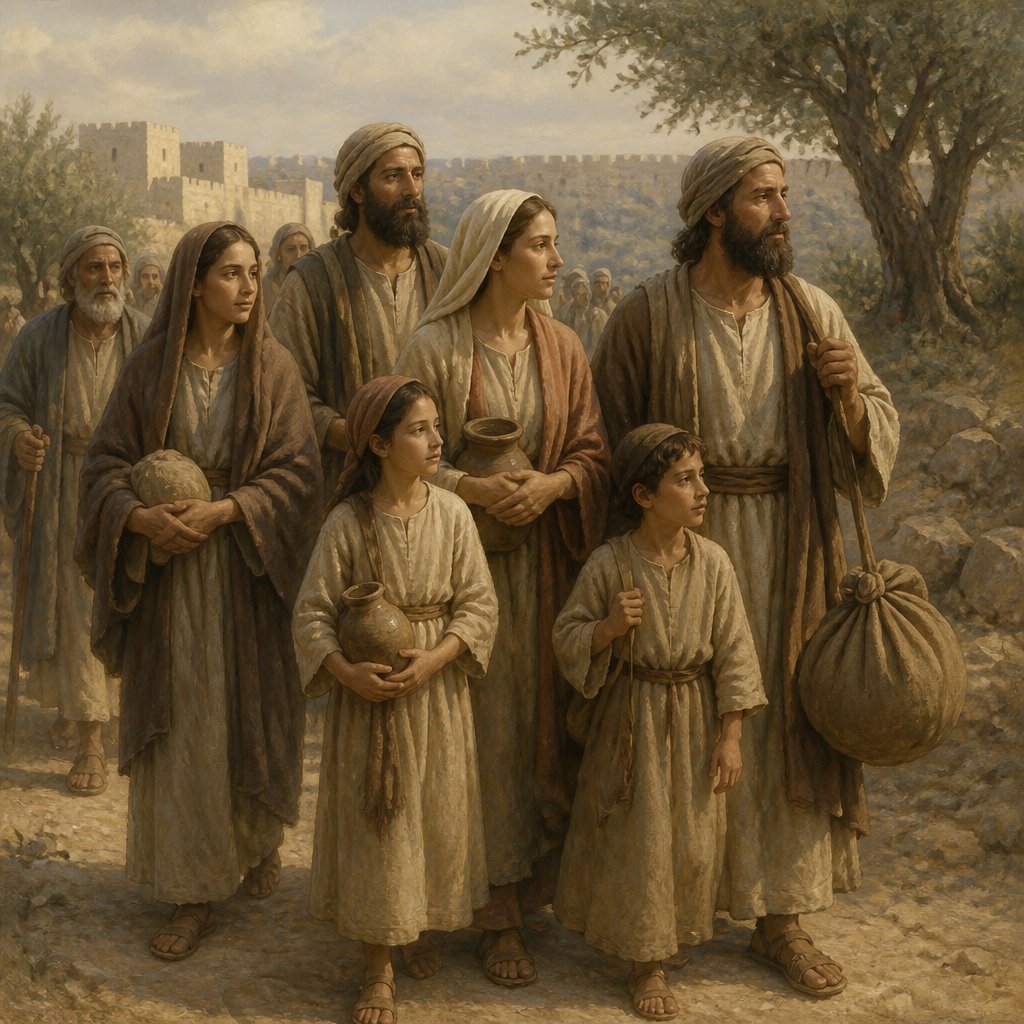
Ezra 2:49 in the King James Version of the Bible reads:
"The children of Kirjath-Arim, Chephirah, and Beeroth, seven hundred and forty and three."
This verse is part of a list of the families of the people who returned from exile to Jerusalem under the leadership of Zerubbabel and Jeshua. The Book of Ezra, from which this verse is taken, details the return of the Israelites from exile in Babylon to Jerusalem and the rebuilding of the temple.
The specific mention of the children of Kirjath-Arim, Chephirah, and Beeroth in this verse may seem unremarkable at first glance. However, when we delve deeper into the historical and cultural context, as well as the broader themes of the Bible, we can uncover rich symbolism and meaning.
To understand the significance of these three locations, it is important to recognize that they were all cities within the territory of the tribe of Benjamin. The mention of these cities in the context of the return from exile serves as a reminder of the restoration and reclamation of the land that had been promised to the Israelites. It signifies the fulfillment of God's covenant with His people and the restoration of their inheritance.
Furthermore, the mention of specific numbers in the Bible often carries symbolic meaning. In this case, the number "seven hundred and forty and three" may symbolize completeness or perfection. The precision of the number suggests a meticulous account of the returnees, emphasizing the faithfulness of God in preserving the remnant of His people.
Moreover, the names of these cities also carry symbolic significance. Kirjath-Arim, also known as Kiriath-Arba, was a city associated with the patriarch Abraham and later became a city of refuge. Chephirah means "a village" or "a place of atonement," and Beeroth means "wells." These names evoke themes of refuge, atonement, and provision, all of which are central to the Christian faith.
The broader context of the return from exile and the rebuilding of the temple in Jerusalem also points to the themes of restoration, renewal, and redemption. The return of the exiles symbolizes the return of God's favor and the renewal of His covenant with His people. The rebuilding of the temple represents the restoration of worship and the re-establishment of the divine presence among the Israelites.
In a larger theological sense, the return from exile and the rebuilding of the temple foreshadow the coming of Jesus Christ as the ultimate fulfillment of God's promises. Through His sacrificial atonement, Jesus provides spiritual refuge and living water to all who believe in Him. The themes of restoration and redemption in Ezra 2:49 ultimately point to the redemptive work of Christ and the fulfillment of God's plan for salvation.
In conclusion, Ezra 2:49 may seem like a simple record of numbers and names, but within its historical and theological context, it carries profound symbolism and meaning. It serves as a testament to God's faithfulness in preserving His people and fulfilling His promises. Through the return from exile, the rebuilding of the temple, and the symbolism of the cities and numbers mentioned, this verse points to the themes of restoration, renewal, atonement, and provision that are ultimately fulfilled in the redemptive work of Jesus Christ.
Get our apps


Artwork for Ezra 2:49

Ezra 2:49 - "The children of Uzza, the children of Paseah, the children of Besai,"
"The children of Uzza, the children of Paseah, the children of Besai," - Ezra 2:49

Luk 2:46-49

Ezra 3:2

Ezra 3:2

Ezra 3:2

Ezra 3:2

Ezra 3:2

Psalms 49:2 - "Both low and high, rich and poor, together."

Ezra 9:1-2

Zerubbabel in Ezra chapter 2

Ezra 2:22 - "The men of Netophah, fifty and six."
Ezra 2:18 - "The children of Jorah, an hundred and twelve."

Ezra 2:54 - "The children of Neziah, the children of Hatipha."

Ezra 2:20 - "The children of Gibbar, ninety and five."

Ezra 2:24 - "The children of Azmaveth, forty and two."

Ezra 2:39 - "The children of Harim, a thousand and seventeen."

Ezra 9:1-2

Ezra 2:9 - "The children of Zaccai, seven hundred and threescore."

Ezra 2:27 - "The men of Michmas, an hundred twenty and two."

Ezra 2:29 - "The children of Nebo, fifty and two."

Ezra 2:56 - "The children of Jaalah, the children of Darkon, the children of Giddel,"

Ezra 2:11 - "The children of Bebai, six hundred twenty and three."

Ezra 2:53 - "The children of Barkos, the children of Sisera, the children of Thamah,"

Ezra 2:48 - "The children of Rezin, the children of Nekoda, the children of Gazzam,"

Ezra 2:15 - "The children of Adin, four hundred fifty and four."

Ezra 7:2 - "The son of Shallum, the son of Zadok, the son of Ahitub,"

Ezra 2:21 - "The children of Beth-lehem, an hundred twenty and three."

Ezra 2:45 - "The children of Lebanah, the children of Hagabah, the children of Akkub,"

Ezra 2:51 - "The children of Bakbuk, the children of Hakupha, the children of Harhur,"