What does Ezra 2:57 mean?
“The children of Shephatiah, the children of Hattil, the children of Pochereth of Zebaim, the children of Ami.” — Ezra 2:57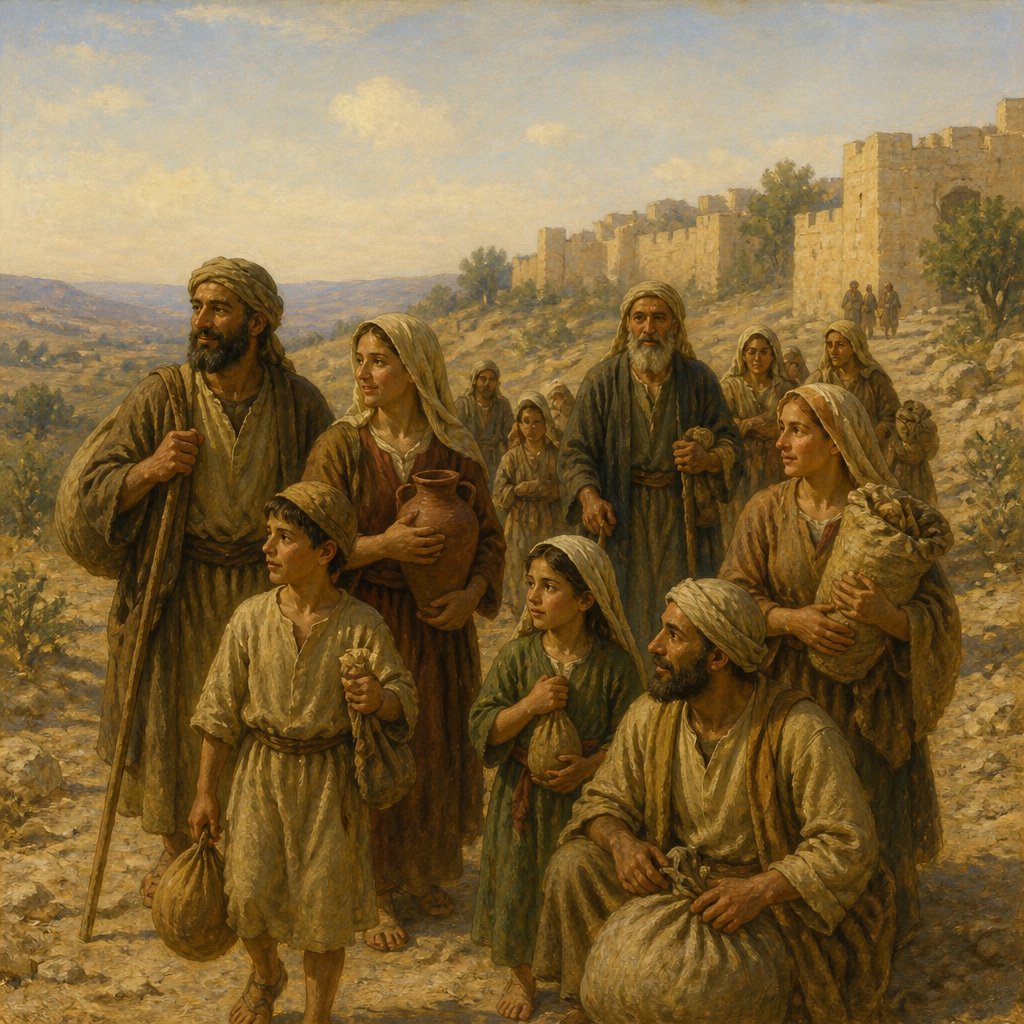
Ezra 2:57 (KJV) - The children of Shephatiah, the children of Hattil, the children of Pochereth of Zebaim, the children of Ami.
The book of Ezra is primarily a historical record of the return of the Jewish exiles to Jerusalem from Babylon and the rebuilding of the temple. This particular verse is part of a list of the descendants of the various families who returned from captivity to Judah and Jerusalem. It may seem like a mundane and unremarkable verse at first glance, but within its historical context, it holds significant meaning and symbolism.
In order to fully understand the implications of this verse, it is important to consider the historical and cultural context in which it was written. The Jewish people had been taken into captivity by the Babylonians, and after 70 years, a remnant was allowed to return to their homeland by King Cyrus of Persia. This return was a pivotal moment in Jewish history as it marked the beginning of the restoration of Jerusalem and the temple.
The mention of the specific families in Ezra 2:57 is a reflection of the meticulous record-keeping that was essential to Jewish identity and heritage. The Jewish people traced their lineage through their ancestral tribes and families, and this genealogical record was crucial in maintaining their identity as the chosen people of God. This emphasis on lineage and ancestry serves as a reminder of the covenantal relationship between God and his people, as well as the faithfulness of God in preserving the remnant of Israel even in captivity.
Moreover, the naming of these families also carries symbolic significance. Each name holds meaning and represents a particular aspect of the Jewish identity. Shephatiah, for example, means "God has judged" or "the Lord has judged," signifying the acknowledgment of God's sovereignty and justice in the lives of His people. Hattil, though less clear in its meaning, likely holds significance in the context of the family it represents. Pochereth of Zebaim is a less known family, yet its inclusion in this record underscores the value of every individual within the community of God's people. Lastly, Ami means "my people" in Hebrew, highlighting the collective identity and unity of the Jewish people as a chosen nation.
Furthermore, the inclusion of these specific names and families serves to emphasize the diversity and inclusivity within the Jewish community. The return from exile brought together people from various backgrounds and lineages, reaffirming the communal bond and shared history that united them as a people of God.
In a broader theological sense, the detailed genealogical records found in the Bible, including this verse, point to the importance of heritage, ancestry, and the continuation of God's plan through successive generations. It emphasizes the continuity of the covenant and the faithfulness of God in preserving His people.
The verse also echoes the themes of restoration and renewal that are prevalent throughout the book of Ezra. The return from exile symbolizes the beginning of a new chapter in the history of Israel, marked by the rebuilding of the temple and the revival of the Jewish faith. It serves as a powerful reminder of God's faithfulness in bringing His people out of captivity and into a season of restoration.
In conclusion, while Ezra 2:57 may seem like a simple record of lineage, it holds profound theological and historical significance within the context of the Jewish return from exile. It emphasizes the importance of lineage and ancestry in preserving the identity of God's people and serves as a testament to God's faithfulness in upholding his covenant throughout generations. It also highlights the themes of restoration, renewal, and unity within the community of God's people.
Get our apps


Artwork for Ezra 2:57

Ezra 2:57 - "The children of Shephatiah, the children of Hattil, the children of Pochereth of Zebaim, the children of Ami."
"The children of Shephatiah, the children of Hattil, the children of Pochereth of Zebaim, the children of Ami." - Ezra 2:57

Isaiah 57:1-2

Psalms 57:2 - "I will cry unto God most high; unto God that performeth all things for me."

Isaiah 57:2 - "He shall enter into peace: they shall rest in their beds, each one walking in his uprightness."

Ezra 3:2

Ezra 3:2

Ezra 3:2

Ezra 3:2

Ezra 3:2

Ezra 9:1-2

Zerubbabel in Ezra chapter 2

Ezra 2:22 - "The men of Netophah, fifty and six."
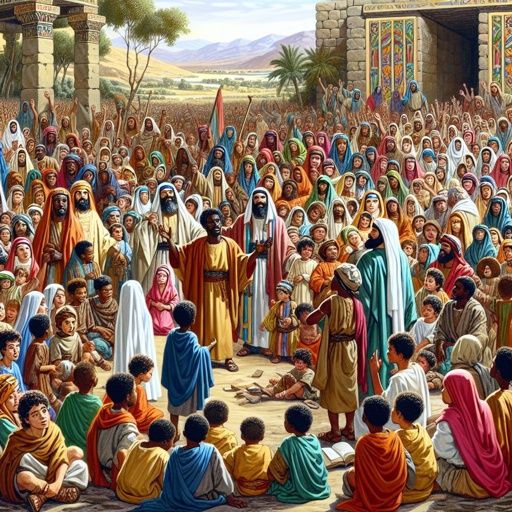
Ezra 2:18 - "The children of Jorah, an hundred and twelve."

Ezra 2:54 - "The children of Neziah, the children of Hatipha."

Ezra 2:20 - "The children of Gibbar, ninety and five."

Ezra 2:24 - "The children of Azmaveth, forty and two."

Ezra 2:39 - "The children of Harim, a thousand and seventeen."

Ezra 9:1-2

Ezra 2:9 - "The children of Zaccai, seven hundred and threescore."

Ezra 2:27 - "The men of Michmas, an hundred twenty and two."

Ezra 2:29 - "The children of Nebo, fifty and two."

Ezra 2:56 - "The children of Jaalah, the children of Darkon, the children of Giddel,"

Ezra 2:11 - "The children of Bebai, six hundred twenty and three."

Ezra 2:53 - "The children of Barkos, the children of Sisera, the children of Thamah,"

Ezra 2:45 - "The children of Lebanah, the children of Hagabah, the children of Akkub,"

Ezra 2:48 - "The children of Rezin, the children of Nekoda, the children of Gazzam,"

Ezra 2:15 - "The children of Adin, four hundred fifty and four."

Ezra 2:21 - "The children of Beth-lehem, an hundred twenty and three."

Ezra 2:51 - "The children of Bakbuk, the children of Hakupha, the children of Harhur,"