What does Ezra 2:21 mean?
“The children of Beth-lehem, an hundred twenty and three.” — Ezra 2:21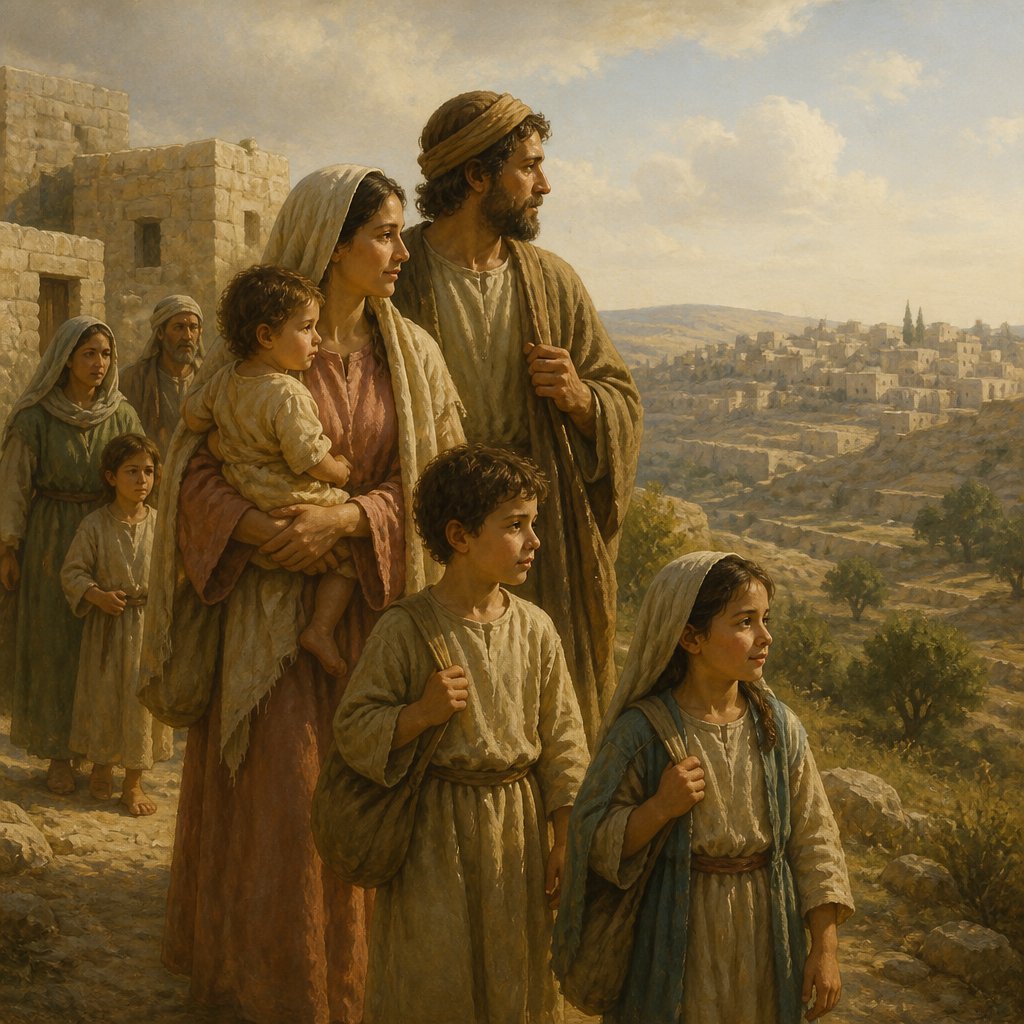
Ezra 2:21 (KJV) reads: "The children of Bethlehem, an hundred twenty and three."
This verse comes from the book of Ezra, which is a historical account of the Israelites' return from exile in Babylon to Judah and their efforts to rebuild the temple in Jerusalem. The passage lists the families and the number of people who returned to Judah after the exile. It serves as a record of the restoration of the Israelites to their homeland and their re-establishment of their religious practices.
The significance of the number 123 in this verse is not explicitly stated in the text, but it carries symbolic importance within the broader context of the Bible. In biblical numerology, numbers often carry symbolic meanings that go beyond their numerical value. The number 123 can be seen as a combination of the numbers 1, 2, and 3, each of which holds specific significance.
The number 1 signifies unity, singularity, and the beginning. In the context of the return from exile, it represents the unity of the Israelites in their restoration and their return to their homeland as a singular people. It also signifies the beginning of a new phase in their history, as they rebuild their community and reaffirm their faith.
The number 2 represents balance, duality, and partnership. In the verse, it can be interpreted as the balance and partnership between the people of Bethlehem who returned to Judah, working together to contribute to the rebuilding of their society and the restoration of their religious practices.
The number 3 symbolizes completeness, wholeness, and divine perfection. It is often associated with the Trinity in Christian theology – the Father, Son, and Holy Spirit. In the context of the verse, it can be seen as representing the completeness of the community of Bethlehem who returned to Judah, as well as the divine guidance and presence that accompanied them in their restoration.
The location of Bethlehem also adds a layer of significance to this verse. Bethlehem is a city with great biblical importance as the birthplace of King David and, later, Jesus Christ. The mention of Bethlehem in this verse serves as a reminder of the historical and religious significance of this place within the broader narrative of the Bible.
The verse also highlights the importance of recording and preserving historical and genealogical records. Throughout the Bible, there are numerous passages and genealogies that catalog the lineage and people of Israel. This emphasis on lineage and descendants serves to reinforce the continuity and faithfulness of God's covenant with his people.
Furthermore, the mention of Bethlehem in this verse also foreshadows the future significance of this town in the life of Jesus. The fact that the verse specifically names Bethlehem and the number of people from there who returned to Judah creates a connection between the Old and New Testaments, pointing to the fulfillment of prophecies and the coming of the Messiah.
In conclusion, Ezra 2:21 carries deep symbolic significance within the broader context of the Bible. It serves as a record of the restoration of the Israelites to their homeland, a reminder of the historical and religious significance of Bethlehem, and a foreshadowing of the future events in the New Testament. The number 123 holds symbolic value within the verse, signifying unity, balance, and completeness. Overall, this verse emphasizes the historical continuity and divine guidance present throughout the biblical narrative.
Get our apps


Artwork for Ezra 2:21

Ezra 2:21 - "The children of Beth-lehem, an hundred twenty and three."

"The children of Beth-lehem, an hundred twenty and three." - Ezra 2:21

Ezra 8:21

Ezra 10:21 - "And of the sons of Harim; Maaseiah, and Elijah, and Shemaiah, and Jehiel, and Uzziah."

Ezra 7:21 - "And I, even I Artaxerxes the king, do make a decree to all the treasurers which are beyond the river, that whatsoever Ezra the priest, the scribe of the law of the God of heaven, shall require of you, it be done speedily,"

Ezra 3:2

Ezra 3:2

Ezra 3:2

Ezra 3:2

Ezra 3:2

Ezra 4:21 - "Give ye now commandment to cause these men to cease, and that this city be not builded, until another commandment shall be given from me."

Ezra 9:1-2

Zerubbabel in Ezra chapter 2

Ezra 2:22 - "The men of Netophah, fifty and six."
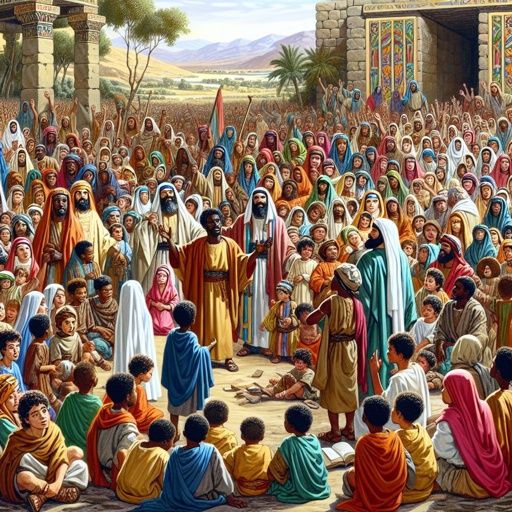
Ezra 2:18 - "The children of Jorah, an hundred and twelve."

Ezra 2:54 - "The children of Neziah, the children of Hatipha."

Ezra 2:20 - "The children of Gibbar, ninety and five."

Ezra 2:24 - "The children of Azmaveth, forty and two."

Ezra 2:39 - "The children of Harim, a thousand and seventeen."

"And of the sons of Harim; Maaseiah, and Elijah, and Shemaiah, and Jehiel, and Uzziah." - Ezra 10:21

Ezra 9:1-2

Ezra 2:9 - "The children of Zaccai, seven hundred and threescore."

Ezra 2:27 - "The men of Michmas, an hundred twenty and two."

Ezra 2:29 - "The children of Nebo, fifty and two."

Ezra 2:56 - "The children of Jaalah, the children of Darkon, the children of Giddel,"

Ezra 2:11 - "The children of Bebai, six hundred twenty and three."

Ezra 2:53 - "The children of Barkos, the children of Sisera, the children of Thamah,"

Ezra 2:45 - "The children of Lebanah, the children of Hagabah, the children of Akkub,"

Ezra 2:48 - "The children of Rezin, the children of Nekoda, the children of Gazzam,"

Ezra 2:15 - "The children of Adin, four hundred fifty and four."