What does Ezra 2:55 mean?
“The children of Solomon’s servants: the children of Sotai, the children of Sophereth, the children of Peruda,” — Ezra 2:55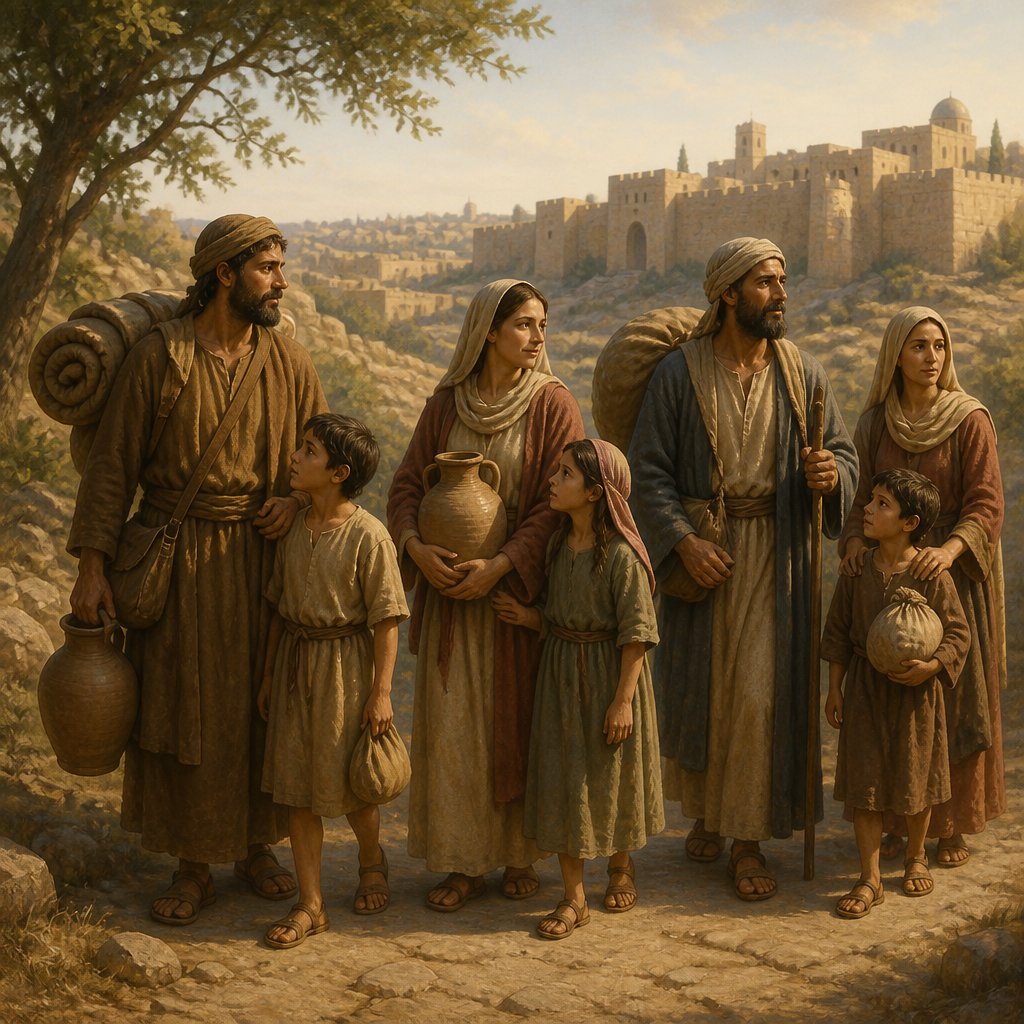
Ezra 2:55 in the King James Version reads, "The children of Solomon's servants: the children of Sotai, the children of Sophereth, the children of Peruda,". This verse is found in the book of Ezra, which is a historical narrative of the return of the Israelites from exile in Babylon and the rebuilding of the temple in Jerusalem. This particular verse is part of a list of the families and their descendants who returned to Jerusalem from Babylon.
To fully understand the meaning and significance of this verse, it is important to consider its context within the larger narrative of the Israelites' return from exile. In the previous chapter, Ezra 2, we see a detailed list of the heads of families and the number of people from each family who returned to Judah and Jerusalem after the decree of King Cyrus. The purpose of this list was to establish the genealogical records of those who were returning, and to recount the history and lineage of the people of Israel.
In verse 55, we see the mention of "the children of Solomon's servants". This is a reference to the descendants of those who served under King Solomon, the son of David, who was known for his wisdom and the construction of the temple in Jerusalem. The inclusion of these specific families in the list highlights the continuity of the Israelite lineage and the importance of the ties to their ancestral heritage. The return from exile was not just a physical restoration, but also a spiritual and cultural reconnection to their roots and traditions.
The mention of specific family names such as Sotai, Sophereth, and Peruda is significant as well. Each of these names carries with it the history and identity of a particular lineage within the Israelite community. The naming of these families serves to preserve their heritage and acknowledge their place within the larger story of Israel.
In the broader context of the Old Testament, genealogies and family records have great significance. They were used to establish inheritance, tribal affiliation, and eligibility for priestly or royal duties. In the case of the return from exile, these genealogies were crucial in determining who could serve in the rebuilt temple, as well as in maintaining the integrity of the priestly and Levitical lines.
Symbolically, this verse speaks to the importance of heritage, legacy, and community. It emphasizes the idea that the Israelites were not just a random collection of individuals, but a people with a shared history and a collective identity. The mention of Solomon's servants links the returning exiles to the glory days of Israel's past, and serves as a reminder of the faithfulness of God to His people throughout the generations.
Ezra 2:55 also points to the faithfulness of God in fulfilling His promises. The return from exile was a fulfillment of the prophetic words spoken by Jeremiah and Isaiah, and a demonstration of God's mercy and grace towards His people. The preservation of the family names and lineages in the genealogical records is a testament to God's faithfulness in preserving the remnant of His people and ensuring the continuation of His covenant with them.
In conclusion, while Ezra 2:55 may seem like a simple verse in a list of names, it carries deep meaning within the larger narrative of the Israelites' return from exile. It serves as a reminder of the importance of heritage, the faithfulness of God, and the interconnectedness of the people of Israel. It also emphasizes the significance of preserving the stories and lineages of our ancestors, and the role they play in shaping our understanding of who we are as a people.
Get our apps


Artwork for Ezra 2:55
Ezra 2:55 - "¶ The children of Solomon's servants: the children of Sotai, the children of Sophereth, the children of Peruda,"
"¶ The children of Solomon's servants: the children of Sotai, the children of Sophereth, the children of Peruda," - Ezra 2:55

Psalms 55:2 - "Attend unto me, and hear me: I mourn in my complaint, and make a noise;"

Ezra 3:2

Ezra 3:2

Ezra 3:2

1 Chronicles 2:55 - "And the families of the scribes which dwelt at Jabez; the Tirathites, the Shimeathites, and Suchathites. These are the Kenites that came of Hemath, the father of the house of Rechab."

Ezra 3:2

Ezra 3:2

Ezra 9:1-2

Zerubbabel in Ezra chapter 2

Ezra 2:22 - "The men of Netophah, fifty and six."
Ezra 2:18 - "The children of Jorah, an hundred and twelve."

Ezra 2:54 - "The children of Neziah, the children of Hatipha."

Ezra 2:20 - "The children of Gibbar, ninety and five."

Ezra 2:24 - "The children of Azmaveth, forty and two."

Ezra 2:39 - "The children of Harim, a thousand and seventeen."

Ezra 9:1-2

Ezra 2:9 - "The children of Zaccai, seven hundred and threescore."

Ezra 2:27 - "The men of Michmas, an hundred twenty and two."

Ezra 2:29 - "The children of Nebo, fifty and two."

Ezra 2:56 - "The children of Jaalah, the children of Darkon, the children of Giddel,"

Ezra 2:11 - "The children of Bebai, six hundred twenty and three."

Ezra 2:53 - "The children of Barkos, the children of Sisera, the children of Thamah,"

Ezra 2:48 - "The children of Rezin, the children of Nekoda, the children of Gazzam,"

Ezra 2:15 - "The children of Adin, four hundred fifty and four."

Ezra 7:2 - "The son of Shallum, the son of Zadok, the son of Ahitub,"

Ezra 2:21 - "The children of Beth-lehem, an hundred twenty and three."

Ezra 2:45 - "The children of Lebanah, the children of Hagabah, the children of Akkub,"

Ezra 2:49 - "The children of Uzza, the children of Paseah, the children of Besai,"