What does Ezra 2:6 mean?
“The children of Pahath-moab, of the children of Jeshua and Joab, two thousand eight hundred and twelve.” — Ezra 2:6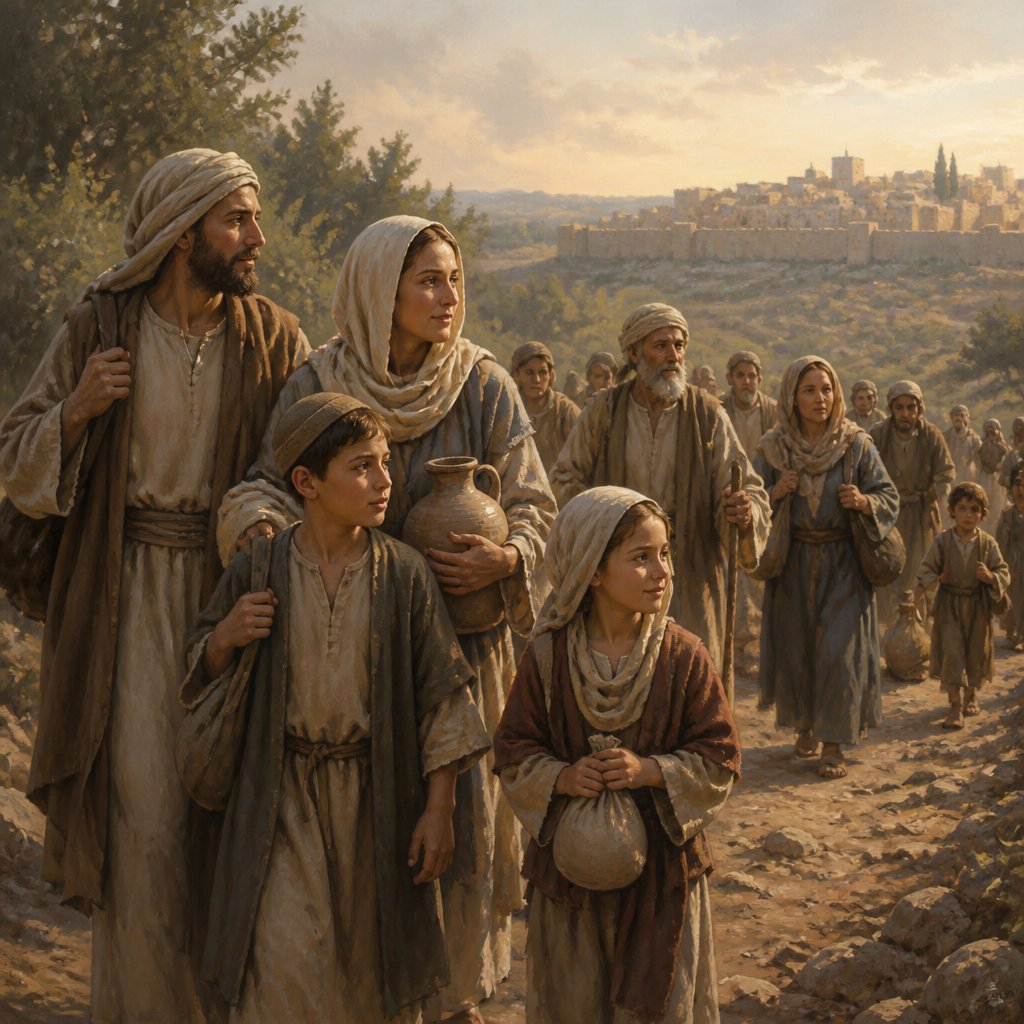
Ezra 2:6 (KJV): The children of Pahath-moab, of the children of Jeshua and Joab, two thousand eight hundred and twelve.
This verse is part of a list of the individuals and families who returned to Jerusalem from the Babylonian exile. The entire chapter of Ezra 2 is a comprehensive registry of those who made the journey back to their homeland, and it illustrates the meticulous record-keeping and attention to detail of the Jewish people.
The mention of the "children of Pahath-moab" in this verse holds deeper significance beyond just being a name on a list. Pahath-moab was a leader of a family group or clan that returned to Jerusalem after the exile, and his group is specifically mentioned as being numbered among the returnees. This demonstrates the importance of family lineage and ancestral ties in Jewish culture. It also signifies a collective return of the people to their homeland, emphasizing the unity and common purpose of the community in rebuilding their lives and nation.
The significance of the specific number "two thousand eight hundred and twelve" is also worth examining. While on the surface, it may seem like just a numerical figure, every name and number listed in the Bible is believed to have a purpose and significance. In this case, the exact count of the returning individuals emphasizes the thoroughness and completeness of God's work in preserving and gathering His people. It shows that each person was accounted for and valued as part of the community's restoration and renewal.
In a broader context, the book of Ezra as a whole recounts the return of the Jewish exiles from Babylon to Jerusalem and the rebuilding of the temple. This return marks a significant turning point in Israel's history, as it represents the fulfillment of God's promise to restore His people to their land after a period of exile and suffering. The detailed list of returnees in chapter 2 emphasizes the faithfulness and sovereignty of God in preserving the remnant of His people and bringing them back to their homeland.
The themes of restoration, renewal, and faithfulness are prominent throughout the book of Ezra. The returnees faced many challenges and obstacles as they sought to resettle and rebuild Jerusalem, but through God's providence and the leadership of individuals like Ezra and Nehemiah, they were able to successfully overcome these difficulties. The mention of specific families and individuals in chapter 2 highlights the personal and collective stories of perseverance and hope in the face of adversity.
Symbolically, the return of the exiles represents the faithfulness of God in fulfilling His promises to His people. It symbolizes the restoration of the covenant relationship between God and Israel, as well as the renewal of the community's spiritual and cultural identity. The act of returning to their homeland also serves as a metaphor for the spiritual journey of repentance, redemption, and reconciliation with God.
In conclusion, Ezra 2:6 and the surrounding verses serve as a reminder of the faithfulness and providence of God in preserving and gathering His people. The specific mention of names and numbers in the list of returnees emphasizes the personal and collective significance of this event in the history of Israel. It also underscores the themes of restoration, renewal, and faithfulness that are central to the book of Ezra. As readers, we are invited to reflect on the enduring nature of God's promises and the resilience of His people, as well as the importance of community and faith in times of trial and transition.
Get our apps


Artwork for Ezra 2:6

Ezra 2:6 - "The children of Pahath-moab, of the children of Jeshua and Joab, two thousand eight hundred and twelve."
"The children of Pahath-moab, of the children of Jeshua and Joab, two thousand eight hundred and twelve." - Ezra 2:6

Ezra 6:2 - "And there was found at Achmetha, in the palace that is in the province of the Medes, a roll, and therein was a record thus written:"

Ezra 9:6

Ezra 6:16

Zerubbabel in Ezra chapter 6

Ezra 6:1-12

Ezra 6:15-16

Ezra 6:15-16
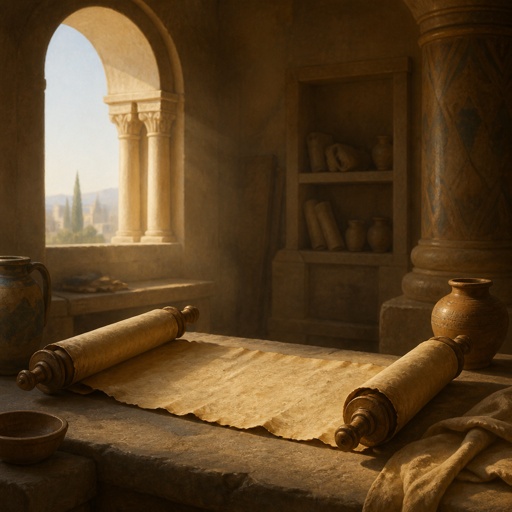
"And there was found at Achmetha, in the palace that is in the province of the Medes, a roll, and therein was a record thus written:" - Ezra 6:2

Ezra 3:2

Ezra 3:2

Ezra 3:2

Ezra 6:19 - "And the children of the captivity kept the passover upon the fourteenth day of the first month."

Ezra 8:6 - "Of the sons also of Adin; Ebed the son of Jonathan, and with him fifty males."

Ezra 3:2

Ezra 3:2

Ezra 6:6 - "Now therefore, Tatnai, governor beyond the river, Shethar-boznai, and your companions the Apharsachites, which are beyond the river, be ye far from thence:"

Ezra 9:1-2

Zerubbabel in Ezra chapter 2

Ezra 2:22 - "The men of Netophah, fifty and six."
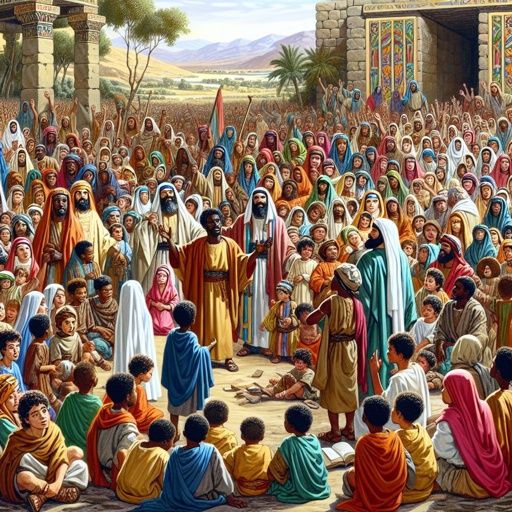
Ezra 2:18 - "The children of Jorah, an hundred and twelve."

Ezra 2:54 - "The children of Neziah, the children of Hatipha."

Ezra 2:20 - "The children of Gibbar, ninety and five."

Ezra 2:24 - "The children of Azmaveth, forty and two."

Ezra 2:39 - "The children of Harim, a thousand and seventeen."

Ezra 7:6 - "This Ezra went up from Babylon; and he was a ready scribe in the law of Moses, which the LORD God of Israel had given: and the king granted him all his request, according to the hand of the LORD his God upon him."

Ezra 9:1-2

Ezra 2:9 - "The children of Zaccai, seven hundred and threescore."

Ezra 2:27 - "The men of Michmas, an hundred twenty and two."