What does Ezra 2:63 mean?
“And the Tirshatha said unto them, that they should not eat of the most holy things, till there stood up a priest with Urim and with Thummim.” — Ezra 2:63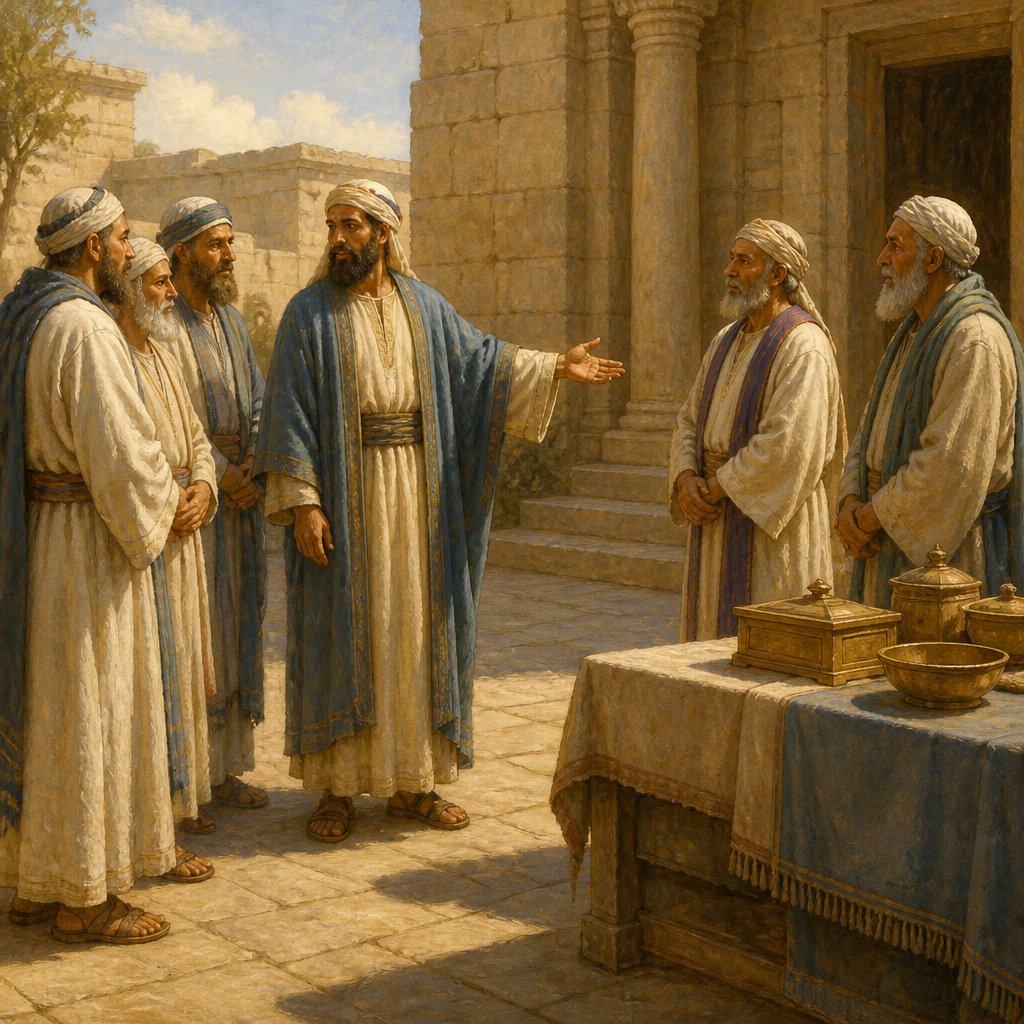
Ezra 2:63 in the King James Version of the Bible reads:
"And the Tirshatha said unto them, that they should not eat of the most holy things, till there stood up a priest with Urim and with Thummim."
In order to fully understand the meaning and significance of this verse, it is important to examine the themes, context, and symbolism present within the verse and the book of Ezra as a whole.
First, the theme of holiness and obedience to God's commands is prominent in this verse. The Tirshatha, who was a Persian official overseeing the return of the Israelites to Jerusalem and the rebuilding of the temple, instructed the people not to eat of the most holy things until a priest with Urim and Thummim was present. This demonstrates the importance of respecting and adhering to God's prescribed rituals and laws, especially when it comes to matters of holiness and purity.
The context of this verse is set within the larger narrative of the Israelites' return from exile in Babylon to Jerusalem. After enduring years of captivity, the Israelites were granted permission by King Cyrus of Persia to return to their homeland and rebuild the temple of the Lord. Ezra, a priest and scribe, played a crucial role in leading the exiles back to Jerusalem and overseeing the restoration of the temple and the reestablishment of religious practices.
In the specific context of Ezra 2:63, the mention of Urim and Thummim is significant. Urim and Thummim were sacred objects used by the priests of Israel to discern God's will in matters of great importance. The exact nature of these objects is not clearly defined in the Bible, but they are generally believed to have been some form of divination tools or stones that were consulted to receive divine guidance. By requiring a priest with Urim and Thummim to be present before the most holy things could be eaten, the Tirshatha was emphasizing the need for divine approval and guidance in matters of religious significance.
The symbolism present in this verse is multi-layered. On one level, the requirement for a priest with Urim and Thummim symbolizes the importance of seeking God's guidance and approval in all aspects of life, especially in matters of faith and worship. It serves as a reminder that God's will should always be sought and obeyed, particularly when it comes to matters of holiness and purity.
Furthermore, the mention of Urim and Thummim also symbolizes the unique relationship between the priests of Israel and God. The use of these sacred objects set the priests apart as mediators between the people and God, responsible for seeking divine guidance and interpreting God's will for the community. This distinction highlights the priestly role in upholding and maintaining the holiness of the Israelite community.
Overall, Ezra 2:63 carries a powerful message about the importance of holiness, obedience to God's commands, and the need for divine guidance in matters of faith. It reflects the broader themes of restoration, obedience, and the unique role of the priesthood in mediating between God and the people. As such, this verse serves as a reminder of the central importance of seeking God's will and upholding holiness in our worship and religious practices.
Get our apps


Artwork for Ezra 2:63
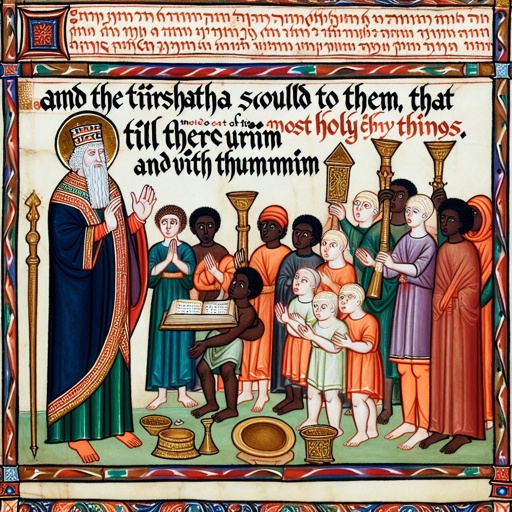
Ezra 2:63 - "And the Tirshatha said unto them, that they should not eat of the most holy things, till there stood up a priest with Urim and with Thummim."

Ezra 2:63 (KJVA) 63 And the Tirshatha said unto them, that they should not eat of the most holy things, till there stood up a priest with Urim and with Thummim.

Ezra 2:63 (KJVA) 63 And the Tirshatha said unto them, that they should not eat of the most holy things, till there stood up a priest with Urim and with Thummim.
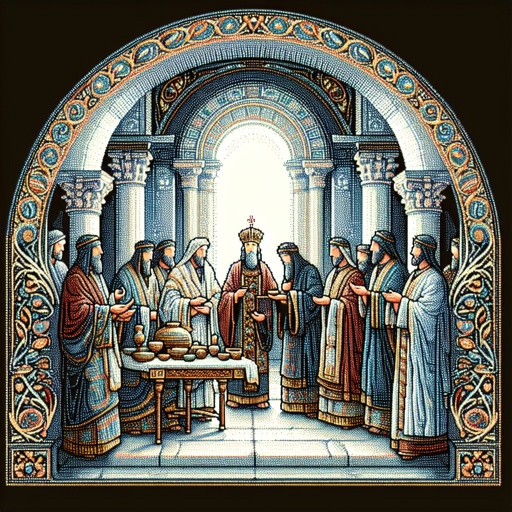
Ezra 2:63 (KJVA) 63 And the Tirshatha said unto them, that they should not eat of the most holy things, till there stood up a priest with Urim and with Thummim.
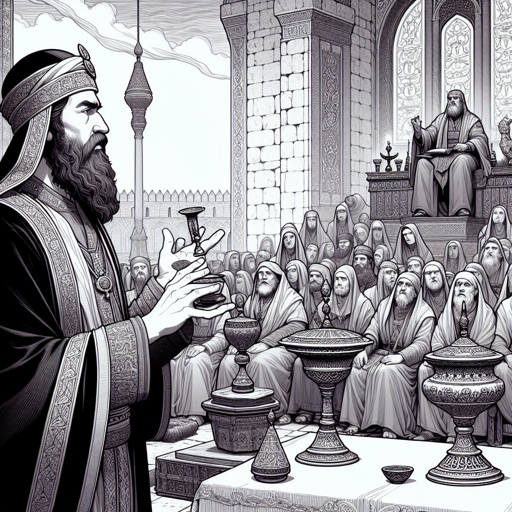
Ezra 2:63 (KJVA) 63 And the Tirshatha said unto them, that they should not eat of the most holy things, till there stood up a priest with Urim and with Thummim.
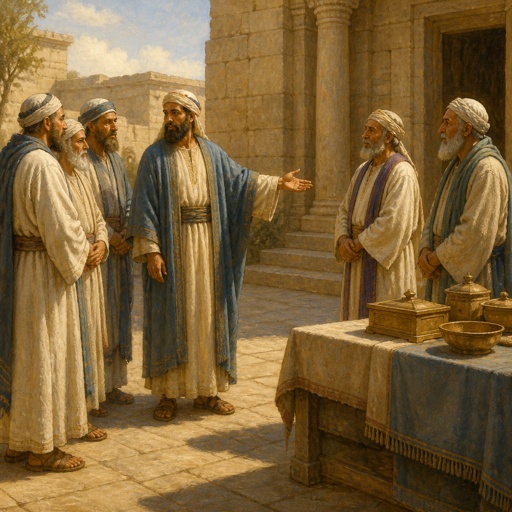
"And the Tirshatha said unto them, that they should not eat of the most holy things, till there stood up a priest with Urim and with Thummim." - Ezra 2:63

Psalms 63:2 - "To see thy power and thy glory, so as I have seen thee in the sanctuary."

Isaiah 63:2 - "Wherefore art thou red in thine apparel, and thy garments like him that treadeth in the winefat?"

Ezra 3:2

Ezra 3:2

Ezra 3:2

Ezra 3:2

Ezra 3:2

Ezra 9:1-2

Zerubbabel in Ezra chapter 2

Ezra 2:22 - "The men of Netophah, fifty and six."
Ezra 2:18 - "The children of Jorah, an hundred and twelve."

Ezra 2:54 - "The children of Neziah, the children of Hatipha."

Ezra 2:20 - "The children of Gibbar, ninety and five."

Ezra 2:24 - "The children of Azmaveth, forty and two."

Ezra 2:39 - "The children of Harim, a thousand and seventeen."

Ezra 9:1-2

Isaiah 63:2 Why is Your apparel red, And Your garments like one who treads in the winepress?

Ezra 2:9 - "The children of Zaccai, seven hundred and threescore."

Ezra 2:27 - "The men of Michmas, an hundred twenty and two."

Ezra 2:29 - "The children of Nebo, fifty and two."

Ezra 2:56 - "The children of Jaalah, the children of Darkon, the children of Giddel,"

Ezra 2:11 - "The children of Bebai, six hundred twenty and three."

Ezra 2:53 - "The children of Barkos, the children of Sisera, the children of Thamah,"

Ezra 2:48 - "The children of Rezin, the children of Nekoda, the children of Gazzam,"