What does Ezra 2:67 mean?
“Their camels, four hundred thirty and five; their asses, six thousand seven hundred and twenty.” — Ezra 2:67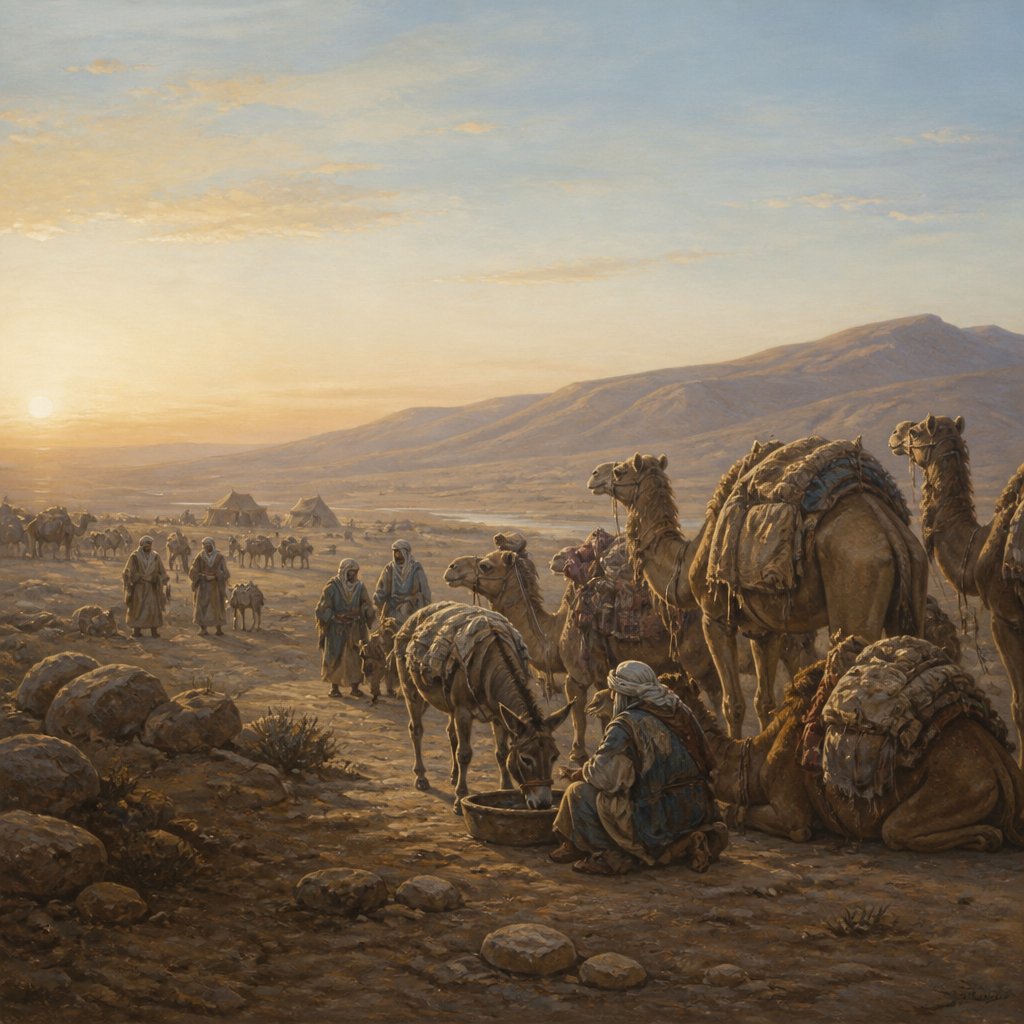
Ezra 2:67 in the King James Version of the Bible reads, "Their camels, four hundred thirty and five; six thousand seven hundred and twenty asses."
This verse comes from the book of Ezra, which is a part of the Hebrew Bible and the Christian Old Testament. The book of Ezra is set in the time period of the Jewish people returning to Jerusalem from Babylonian captivity. This return is part of the fulfillment of the prophecy given by Jeremiah, and it marks a significant moment in Jewish history as they return to their homeland and rebuild the temple.
In this specific verse, the focus is on the number of camels and donkeys that were brought back with the returning exiles. At first glance, this verse may seem like just a simple inventory of animals, but there is deeper significance and meaning that can be derived from it.
First, the large number of camels and donkeys mentioned in this verse may point to the wealth and abundance of the returning exiles. Camels were valuable animals used for transportation and trade, while donkeys were commonly used for labor and carrying goods. The fact that so many of these animals were brought back with the returning exiles demonstrates their prosperity and ability to sustain themselves as they reestablished their lives in the promised land.
Furthermore, this verse serves as a reminder of God's faithfulness and provision. The return from exile was not an easy journey, and the exiles would have faced many challenges and obstacles along the way. However, the fact that they were able to bring back such a large number of valuable animals is a testament to God's provision and blessing upon them. It serves as a reminder that God was with them every step of the way, providing for their needs and guiding them as they returned to their homeland.
In a broader sense, the mention of camels and donkeys in this verse can also be seen as symbolic of the restoration and renewal of the Jewish people. The journey back to Jerusalem marked a new beginning for the exiles, and the presence of these animals serves as a symbol of the hope and promise of a better future for the Jewish people. It symbolizes their ability to rebuild and thrive in their homeland, despite the challenges they faced.
The theme of restoration and renewal is a central focus of the book of Ezra, as it captures the story of the Jewish people reclaiming their identity and reestablishing their religious practices in Jerusalem. This verse, along with the rest of the book, serves as a powerful reminder of God's faithfulness and the promise of a new beginning for His people.
In conclusion, Ezra 2:67 may seem like a simple inventory of animals, but it carries rich meaning and significance. It serves as a reminder of God's provision, the prosperity of the returning exiles, and the promise of restoration and renewal for the Jewish people. This verse, along with the rest of the book of Ezra, is a powerful testimony to God's faithfulness and the enduring hope of the Jewish people.
Get our apps


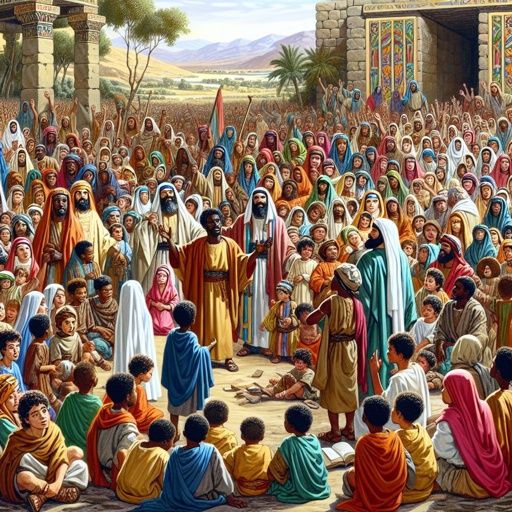
Artwork for Ezra 2:67
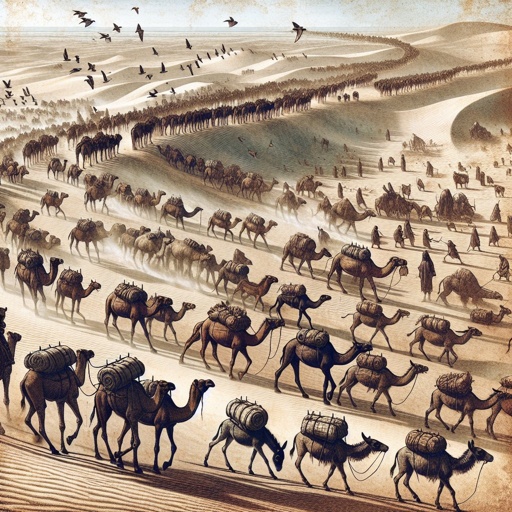
Ezra 2:67 - "Their camels, four hundred thirty and five; their asses, six thousand seven hundred and twenty."
"Their camels, four hundred thirty and five; their asses, six thousand seven hundred and twenty." - Ezra 2:67

Psalms 67:2 - "That thy way may be known upon earth, thy saving health among all nations."

Ezra 3:2

Ezra 3:2

Ezra 3:2

Ezra 3:2

Ezra 3:2
"That thy way may be known upon earth, thy saving health among all nations." - Psalms 67:2

Ezra 9:1-2

Zerubbabel in Ezra chapter 2

Ezra 2:22 - "The men of Netophah, fifty and six."
Ezra 2:18 - "The children of Jorah, an hundred and twelve."

Ezra 2:54 - "The children of Neziah, the children of Hatipha."

Ezra 2:20 - "The children of Gibbar, ninety and five."

Ezra 2:24 - "The children of Azmaveth, forty and two."

Ezra 2:39 - "The children of Harim, a thousand and seventeen."

Ezra 9:1-2

Ezra 2:9 - "The children of Zaccai, seven hundred and threescore."

Ezra 2:27 - "The men of Michmas, an hundred twenty and two."

Ezra 2:29 - "The children of Nebo, fifty and two."

Ezra 2:56 - "The children of Jaalah, the children of Darkon, the children of Giddel,"

Ezra 2:11 - "The children of Bebai, six hundred twenty and three."

Ezra 2:53 - "The children of Barkos, the children of Sisera, the children of Thamah,"

Ezra 2:45 - "The children of Lebanah, the children of Hagabah, the children of Akkub,"

Ezra 2:48 - "The children of Rezin, the children of Nekoda, the children of Gazzam,"

Ezra 2:15 - "The children of Adin, four hundred fifty and four."

Ezra 2:21 - "The children of Beth-lehem, an hundred twenty and three."

Ezra 2:51 - "The children of Bakbuk, the children of Hakupha, the children of Harhur,"

Ezra 2:49 - "The children of Uzza, the children of Paseah, the children of Besai,"