What does Ezra 4:10 mean?
“And the rest of the nations whom the great and noble Asnappar brought over, and set in the cities of Samaria, and the rest that are on this side the river, and at such a time.” — Ezra 4:10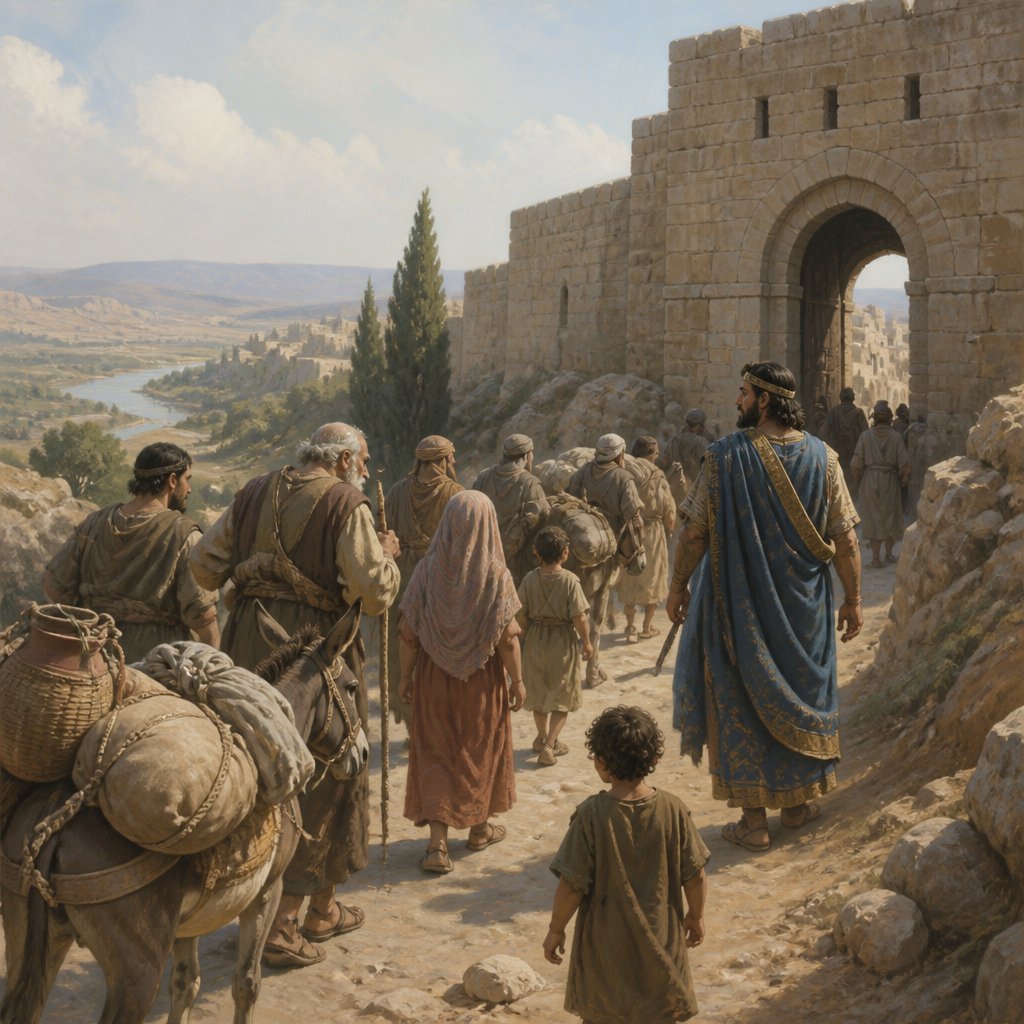
Ezra 4:10 (KJV) - "And the rest of the nations whom the great and noble Asnappar brought over, and set in the cities of Samaria, and the rest that are on this side the river, and at such a time."
The book of Ezra is a historical and religious text that chronicles the events of the Israelites returning from the Babylonian exile. In this particular verse, we see a reference to "the great and noble Asnappar" who brought over nations and set them in the cities of Samaria. This verse is part of a larger narrative that details the opposition faced by the Israelites as they sought to rebuild the temple in Jerusalem and reclaim their land.
The context of Ezra 4:10 is important to understanding its deeper meaning. After the Israelites were exiled to Babylon, they were allowed to return to Jerusalem by the Persian king Cyrus. They began to rebuild the temple, but the local inhabitants of the land, including those in Samaria, opposed them and sought to hinder their progress. This verse specifically mentions Asnappar, who was likely a governor or ruler in the region, and it highlights the challenges faced by the Israelites as they attempted to establish themselves in their homeland.
One of the key themes of this verse is the struggle for identity and homeland. The Israelites were a people with a strong sense of national and religious identity, and they were determined to reclaim their land and heritage after years of exile. However, they faced resistance from other nations who had settled in the region during their absence. This theme of identity and homeland is central to the larger narrative of the book of Ezra, as the Israelites grapple with questions of belonging and heritage in the face of adversity.
Another important theme in this verse is the concept of power and authority. Asnappar is described as "great and noble," indicating his status and influence in the region. His actions in bringing over nations and settling them in Samaria demonstrate his authority and control over the land. This theme of power and authority is central to the larger political and social dynamics at play in the book of Ezra, as the Israelites navigate their relationship with the ruling powers and the local inhabitants.
Symbolism also plays a role in understanding the deeper meaning of this verse. The mention of Asnappar and the nations he brought over represents the forces that opposed the Israelites' efforts to rebuild and reclaim their land. They symbolize the external threats and challenges that the Israelites faced as they sought to establish themselves in their homeland. Additionally, the reference to the cities of Samaria and the river carries symbolic significance, as these locations were central to the historical and religious identity of the Israelites.
In conclusion, Ezra 4:10 is a verse that speaks to the themes of identity, power, and struggle in the context of the Israelites' return from exile. It highlights the challenges they faced in reclaiming their land and heritage, and it symbolizes the opposition they encountered from other nations and rulers. Through its themes, context, and symbolism, this verse offers a deeper understanding of the historical and religious significance of the book of Ezra.
Get our apps


Artwork for Ezra 4:10

Ezra 4:10 - "And the rest of the nations whom the great and noble Asnappar brought over, and set in the cities of Samaria, and the rest that are on this side the river, and at such a time."
"And the rest of the nations whom the great and noble Asnappar brought over, and set in the cities of Samaria, and the rest that are on this side the river, and at such a time." - Ezra 4:10

Ezra 10:4 - "Arise; for this matter belongeth unto thee: we also will be with thee: be of good courage, and do it."

Ezra 10:10-12

Ezra 4:4

Ezra 10:10 - "And Ezra the priest stood up, and said unto them, Ye have transgressed, and have taken strange wives, to increase the trespass of Israel."

Ezra 4:4

Ezra 10:3

Ezra 3:10

Ezra 10:3

Ezra 10:5 - "Then arose Ezra, and made the chief priests, the Levites, and all Israel, to swear that they should do according to this word. And they sware."

Ezra 7:10 - "For Ezra had prepared his heart to seek the law of the LORD, and to do it, and to teach in Israel statutes and judgments."
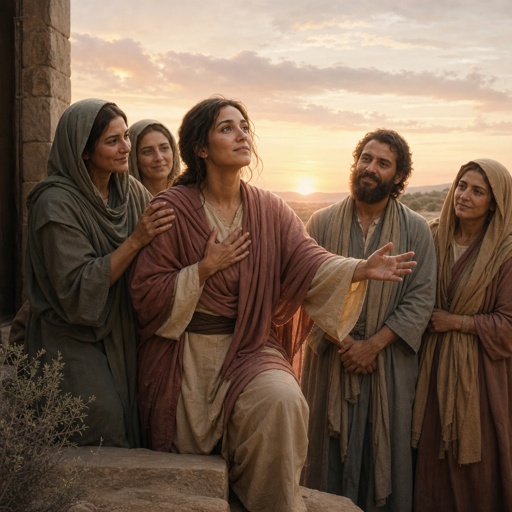
"Arise; for this matter belongeth unto thee: we also will be with thee: be of good courage, and do it." - Ezra 10:4

Ezra 10:38 - "And Bani, and Binnui, Shimei,"

Ezra 10:37 - "Mattaniah, Mattenai, and Jaasau,"

Ezra 10:40 - "Machnadebai, Shashai, Sharai,"

Ezra 10:32 - "Benjamin, Malluch, and Shemariah."

Ezra 10:36 - "Vaniah, Meremoth, Eliashib,"

Ezra 10:35 - "Benaiah, Bedeiah, Chelluh,"

Ezra 10:42 - "Shallum, Amariah, and Joseph."

Ezra 10:41 - "Azareel, and Shelemiah, Shemariah,"

Ezra 10:39 - "And Shelemiah, and Nathan, and Adaiah,"

Ezra 10:20 - "And of the sons of Immer; Hanani, and Zebadiah."

Ezra 10:34 - "Of the sons of Bani; Maadai, Amram, and Uel,"

Zerubbabel in Ezra chapter 4

Zerubbabel in Ezra chapter 4

Ezra 4:4 - "Then the people of the land weakened the hands of the people of Judah, and troubled them in building,"

Ezra 2:10 - "The children of Bani, six hundred forty and two."

Ezra 10:21 - "And of the sons of Harim; Maaseiah, and Elijah, and Shemaiah, and Jehiel, and Uzziah."

Ezra 10:24 - "Of the singers also; Eliashib: and of the porters; Shallum, and Telem, and Uri."