What does Ezra 4:13 mean?
“Be it known now unto the king, that, if this city be builded, and the walls set up again, then will they not pay toll, tribute, and custom, and so thou shalt endamage the revenue of the kings.” — Ezra 4:13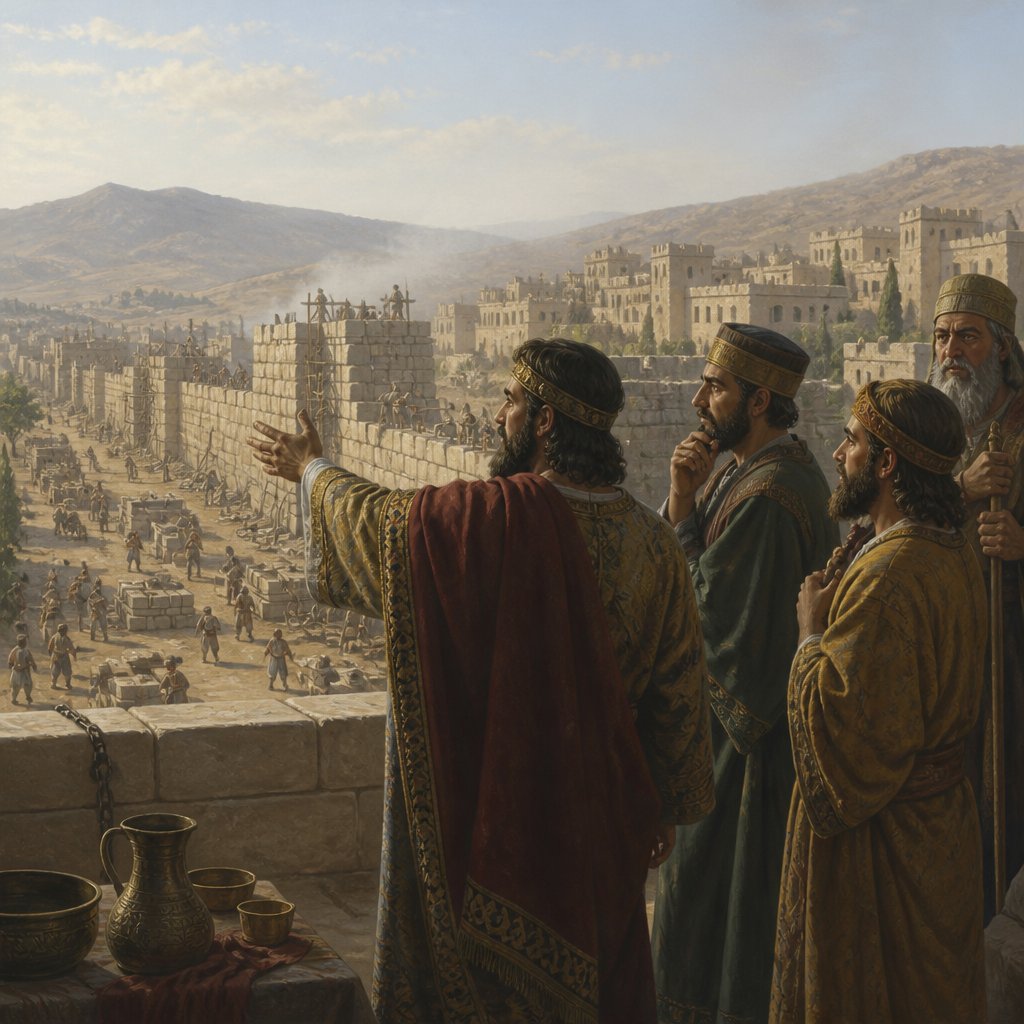
Ezra 4:13 (KJV) - "Be it known now unto the king, that, if this city be builded, and the walls set up again, then will they not pay toll, tribute, and custom, and so thou shalt endamage the revenue of the kings."
The book of Ezra is a historical and prophetic book found in the Old Testament of the Bible. It provides an account of the events surrounding the return of the Israelites from their exile in Babylon and their efforts to rebuild the temple in Jerusalem. The verse Ezra 4:13 occurs as part of a letter written by the adversaries of the Israelites to King Artaxerxes, in an attempt to stop the rebuilding of Jerusalem and the temple.
In this verse, the adversaries present a strategic argument to the king, warning him of the potential consequences should the city be rebuilt and its walls restored. They assert that if the city is rebuilt, the Israelites will not pay toll, tribute, and custom, which will ultimately lead to a loss of revenue for the king. This was a clever attempt to incite fear and concern in King Artaxerxes, thereby influencing his decision to halt the rebuilding efforts.
This verse holds several themes and messages that are relevant and timeless. One of the key themes is the tension between faith and worldly opposition. The adversaries of the Israelites sought to use political and economic tactics to thwart the work of God. In our own lives, we face similar obstacles where our faith and obedience to God's will are challenged by the pressures and opposition of the world. This verse serves as a reminder that such opposition is a reality, but it cannot hinder the plans and purposes of God.
Another significant theme is the trust and reliance on God's provision. The adversaries of the Israelites sought to undermine the financial stability and prosperity of the king by suggesting that the rebuilding of Jerusalem would lead to a loss of revenue. This tactic was an attempt to manipulate the king into opposing the work of God. However, the message for the Israelites and for us is that our trust should be in God's provision, rather than in the schemes and tactics of the world.
Furthermore, the verse also highlights the importance of perseverance and determination in the face of opposition. Despite the threats and challenges posed by their adversaries, the Israelites continued to rebuild the city and the temple, trusting in God's protection and provision. This serves as a powerful example for us to remain steadfast in our faith and resolve, regardless of the opposition we may face.
Symbolically, the rebuilding of the city and walls of Jerusalem can be interpreted as a representation of the restoration and renewal of God's people. The city being rebuilt signifies the restoration of the spiritual and physical strength of the Israelites, as they seek to return to their homeland and reestablish their identity as God's chosen people. This symbolic restoration is a powerful reminder of God's faithfulness and His promise to restore and renew His people.
In conclusion, Ezra 4:13 from the King James Version of the Bible offers a profound message of perseverance, trust in God's provision, and the tension between faith and worldly opposition. It serves as a timeless reminder of the challenges and obstacles that Christians may face, and the need to remain steadfast in our faith and reliance on God. As we navigate through the uncertainties and oppositions of the world, may we find strength and encouragement in the words and themes presented in this verse.
Get our apps


Artwork for Ezra 4:13

Ezra 4:13 - "Be it known now unto the king, that, if this city be builded, and the walls set up again, then will they not pay toll, tribute, and custom, and so thou shalt endamage the revenue of the kings."
"Be it known now unto the king, that, if this city be builded, and the walls set up again, then will they not pay toll, tribute, and custom, and so thou shalt endamage the revenue of the kings." - Ezra 4:13

Ezra 4:4

Ezra 4:4

Ezra 9:13-15

Nehemiah 12:13 - "Of Ezra, Meshullam; of Amariah, Jehohanan;"

Zerubbabel in Ezra chapter 4

Zerubbabel in Ezra chapter 4

Ezra 4:4 - "Then the people of the land weakened the hands of the people of Judah, and troubled them in building,"
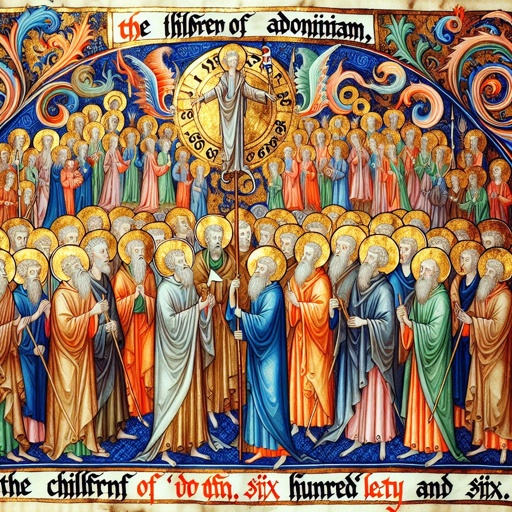
Ezra 2:13 - "The children of Adonikam, six hundred sixty and six."

Letter to the king in Ezra chapter 4

Ezra 7:4 - "The son of Zerahiah, the son of Uzzi, the son of Bukki,"

"Of Ezra, Meshullam; of Amariah, Jehohanan;" - Nehemiah 12:13

Ezra 2:4 - "The children of Shephatiah, three hundred seventy and two."

Ezra 8:13 - "And of the last sons of Adonikam, whose names are these, Eliphelet, Jeiel, and Shemaiah, and with them threescore males."

Ezra 5:13 - "But in the first year of Cyrus the king of Babylon the same king Cyrus made a decree to build this house of God."

Ezra 8:4 - "Of the sons of Pahath-moab; Elihoenai the son of Zerahiah, and with him two hundred males."
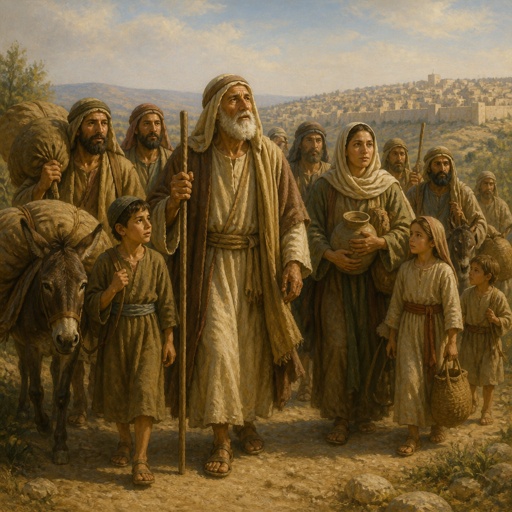
"The children of Adonikam, six hundred sixty and six." - Ezra 2:13

Ezra 4:22 - "Take heed now that ye fail not to do this: why should damage grow to the hurt of the kings?"

Ezra 5:4 - "Then said we unto them after this manner, What are the names of the men that make this building?"

Ezra 4:8 - "Rehum the chancellor and Shimshai the scribe wrote a letter against Jerusalem to Artaxerxes the king in this sort:"

Ezra 10:4 - "Arise; for this matter belongeth unto thee: we also will be with thee: be of good courage, and do it."

"Then the people of the land weakened the hands of the people of Judah, and troubled them in building," - Ezra 4:4

Ezra 4:18 - "The letter which ye sent unto us hath been plainly read before me."

Ezra 6:13 - "¶ Then Tatnai, governor on this side the river, Shethar-boznai, and their companions, according to that which Darius the king had sent, so they did speedily."

"The son of Zerahiah, the son of Uzzi, the son of Bukki," - Ezra 7:4

Ezra 4:6 - "And in the reign of Ahasuerus, in the beginning of his reign, wrote they unto him an accusation against the inhabitants of Judah and Jerusalem."

Ezra 6:4 - "With three rows of great stones, and a row of new timber: and let the expenses be given out of the king's house:"

Ezra 4:10 - "And the rest of the nations whom the great and noble Asnappar brought over, and set in the cities of Samaria, and the rest that are on this side the river, and at such a time."

Ezra 4:24 - "Then ceased the work of the house of God which is at Jerusalem. So it ceased unto the second year of the reign of Darius king of Persia."