What does Ezra 4:17 mean?
“Then sent the king an answer unto Rehum the chancellor, and to Shimshai the scribe, and to the rest of their companions that dwell in Samaria, and unto the rest beyond the river, Peace, and at such a time.” — Ezra 4:17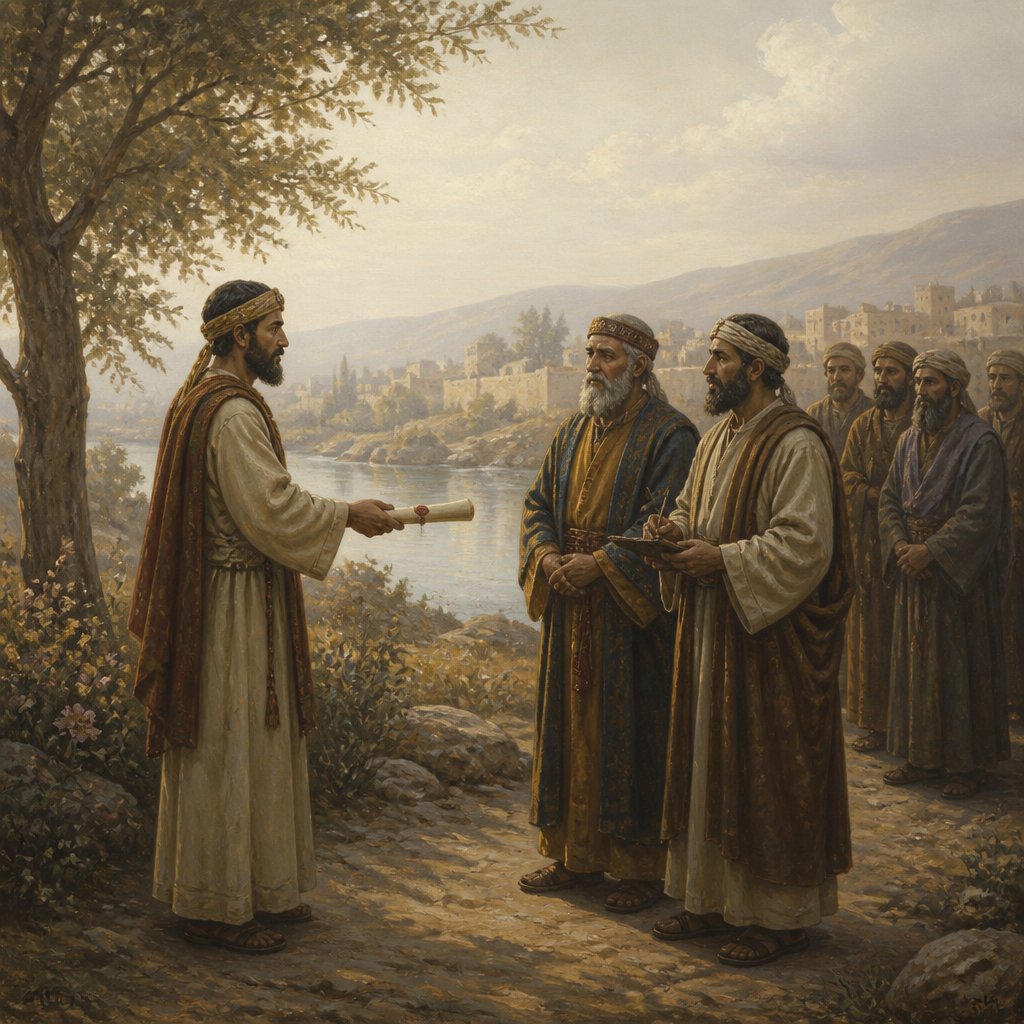
Ezra 4:17 (KJV) states: "Then sent the king an answer unto Rehum the chancellor, and to Shimshai the scribe, and to the rest of their companions that dwell in Samaria, and unto the rest beyond the river, Peace, and at such a time."
This verse comes from the book of Ezra, which is a historical account of the Jewish people returning to Jerusalem from exile in Babylon. The verse itself is part of a larger narrative about the opposition the Jews faced as they began to rebuild the temple in Jerusalem. In this particular verse, the king is responding to Rehum the chancellor, Shimshai the scribe, and their companions who were trying to hinder the rebuilding process.
In order to understand the full meaning and commentary of this verse, it is important to consider the historical context in which it was written. The Jewish people had been exiled to Babylon for 70 years as a result of their disobedience to God. However, under the decree of King Cyrus of Persia, they were allowed to return to Jerusalem and rebuild the temple. Despite facing opposition and challenges, they were determined to obey God's command and restore the temple to its former glory.
In this verse, the king's response to Rehum, Shimshai, and their companions can be seen as a symbol of the political and social struggles that the Jewish people faced upon their return to Jerusalem. Despite the decree of King Cyrus, there were still individuals who sought to undermine and hinder the rebuilding efforts. The mention of "Peace, and at such a time" in the king's response can be interpreted as an attempt to calm the tensions and bring about a resolution to the conflict.
The themes present in this verse include perseverance, faithfulness, and obedience to God's commands. Despite the opposition they faced, the Jewish people remained steadfast in their determination to rebuild the temple. The king's response also highlights the importance of seeking peace and reconciliation, even in the face of adversity.
In terms of symbolism, the king in this verse can be seen as a representation of authority and power. His response is a reminder of the influence and impact that political leaders can have on the lives of their subjects. The opposition from Rehum, Shimshai, and their companions symbolizes the resistance and obstacles that the Jewish people faced as they sought to fulfill God's will.
Ultimately, the verse in Ezra 4:17 serves as a reminder of the challenges and struggles that the Jewish people faced during their return from exile. It also highlights the importance of remaining faithful and obedient to God's commands, even in the face of opposition. The king's response serves as a call for peace and resolution, reflecting the desire for harmony and unity in the midst of conflict.
In conclusion, Ezra 4:17 from the King James Version offers a glimpse into the political and social challenges faced by the Jewish people as they sought to rebuild the temple in Jerusalem. It serves as a testament to their perseverance and faithfulness, as well as a reminder of the importance of seeking peace and reconciliation in the midst of adversity.
Get our apps


Artwork for Ezra 4:17
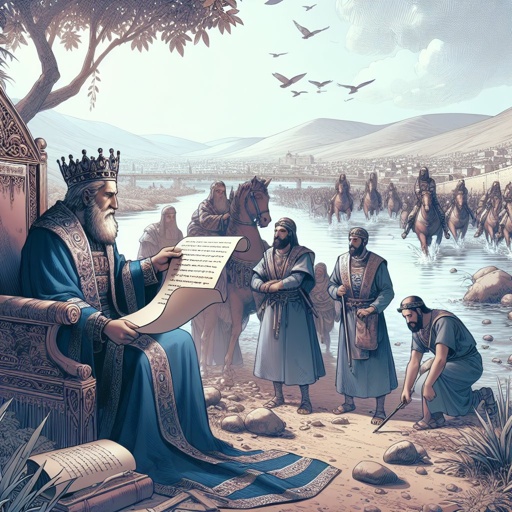
Ezra 4:17 - "¶ Then sent the king an answer unto Rehum the chancellor, and to Shimshai the scribe, and to the rest of their companions that dwell in Samaria, and unto the rest beyond the river, Peace, and at such a time."
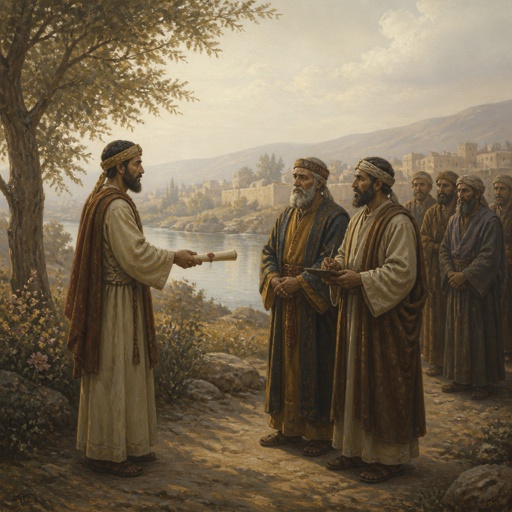
"¶ Then sent the king an answer unto Rehum the chancellor, and to Shimshai the scribe, and to the rest of their companions that dwell in Samaria, and unto the rest beyond the river, Peace, and at such a time." - Ezra 4:17

1 Chronicles 4:17 - "And the sons of Ezra were, Jether, and Mered, and Epher, and Jalon: and she bare Miriam, and Shammai, and Ishbah the father of Eshtemoa."

Ezra 4:4

Ezra 4:4
Ezra 2:17 - "The children of Bezai, three hundred twenty and three."

Zerubbabel in Ezra chapter 4

Zerubbabel in Ezra chapter 4

Ezra 4:4 - "Then the people of the land weakened the hands of the people of Judah, and troubled them in building,"
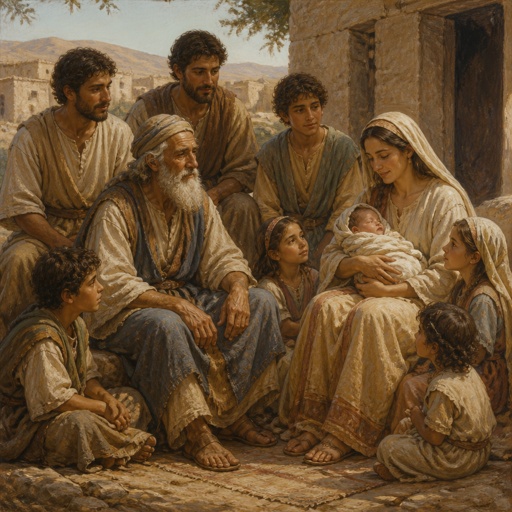
"And the sons of Ezra were, Jether, and Mered, and Epher, and Jalon: and she bare Miriam, and Shammai, and Ishbah the father of Eshtemoa." - 1 Chronicles 4:17

Letter to the king in Ezra chapter 4

Ezra 7:4 - "The son of Zerahiah, the son of Uzzi, the son of Bukki,"

Ezra 10:17 - "And they made an end with all the men that had taken strange wives by the first day of the first month."

Ezra 2:4 - "The children of Shephatiah, three hundred seventy and two."
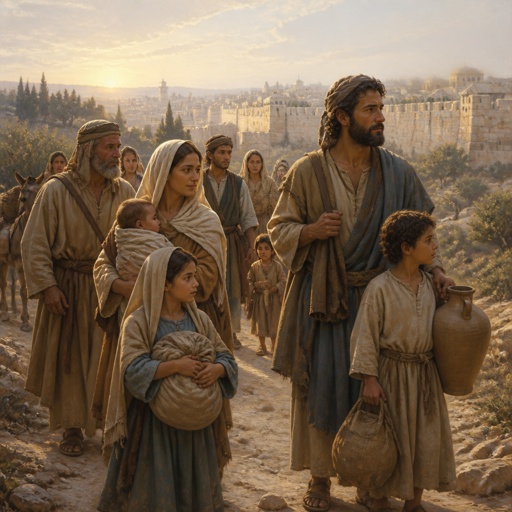
"The children of Bezai, three hundred twenty and three." - Ezra 2:17

Ezra 8:4 - "Of the sons of Pahath-moab; Elihoenai the son of Zerahiah, and with him two hundred males."

Ezra 4:22 - "Take heed now that ye fail not to do this: why should damage grow to the hurt of the kings?"

Ezra 5:4 - "Then said we unto them after this manner, What are the names of the men that make this building?"

Ezra 4:8 - "Rehum the chancellor and Shimshai the scribe wrote a letter against Jerusalem to Artaxerxes the king in this sort:"

Ezra 10:4 - "Arise; for this matter belongeth unto thee: we also will be with thee: be of good courage, and do it."

"Then the people of the land weakened the hands of the people of Judah, and troubled them in building," - Ezra 4:4

Ezra 4:18 - "The letter which ye sent unto us hath been plainly read before me."

"The son of Zerahiah, the son of Uzzi, the son of Bukki," - Ezra 7:4

Ezra 4:6 - "And in the reign of Ahasuerus, in the beginning of his reign, wrote they unto him an accusation against the inhabitants of Judah and Jerusalem."

Ezra 6:4 - "With three rows of great stones, and a row of new timber: and let the expenses be given out of the king's house:"

Ezra 4:10 - "And the rest of the nations whom the great and noble Asnappar brought over, and set in the cities of Samaria, and the rest that are on this side the river, and at such a time."

Ezra 4:24 - "Then ceased the work of the house of God which is at Jerusalem. So it ceased unto the second year of the reign of Darius king of Persia."

Ezra 4:1 - "Now when the adversaries of Judah and Benjamin heard that the children of the captivity builded the temple unto the LORD God of Israel;"

"The children of Shephatiah, three hundred seventy and two." - Ezra 2:4

Ezra 7:17 - "That thou mayest buy speedily with this money bullocks, rams, lambs, with their meat offerings and their drink offerings, and offer them upon the altar of the house of your God which is in Jerusalem."