What does Ezra 7:6 mean?
“This Ezra went up from Babylon; and he was a ready scribe in the law of Moses, which the LORD God of Israel had given: and the king granted him all his request, according to the hand of the LORD his God upon him.” — Ezra 7:6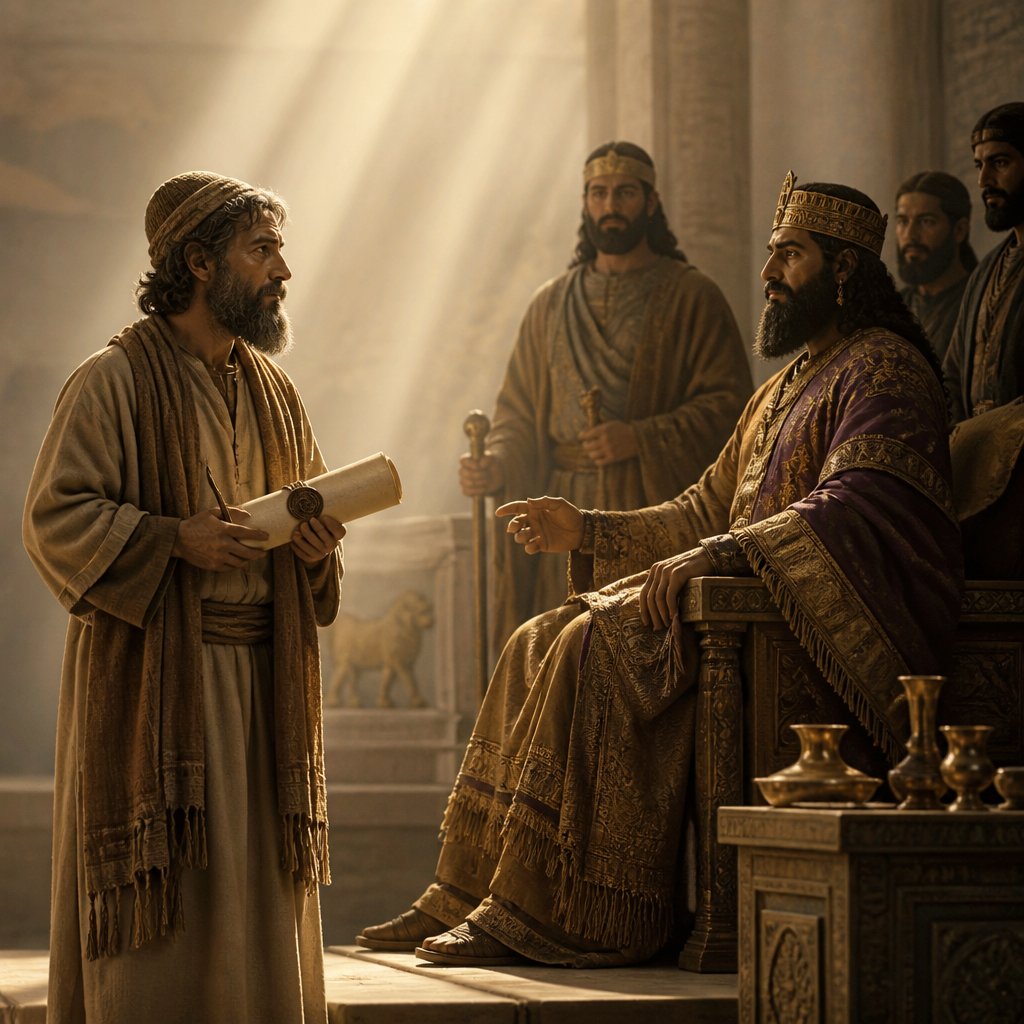
Ezra 7:6 (KJV) reads: "This Ezra went up from Babylon; and he was a ready scribe in the law of Moses, which the Lord God of Israel had given: and the king granted him all his request, according to the hand of the Lord his God upon him."
In order to fully understand the significance and depth of this verse, it is important to consider the context in which it was written. The Book of Ezra is a book of the Hebrew Bible and the Old Testament, which tells the story of the Israelites' return to Jerusalem from their exile in Babylon. The verse in question marks the introduction of Ezra, a significant figure in Jewish history and a pivotal character in the restoration of the Jewish community in Jerusalem.
Ezra is described as a "ready scribe in the law of Moses," which signifies his deep knowledge and understanding of the religious and legal traditions of the Israelites. The title "scribe" indicates that Ezra was not only a scholar of the law, but also a teacher and interpreter of it. This verse sets the stage for the important role that Ezra would play in the reestablishment of the Jewish community in Jerusalem and the restoration of their religious practices and customs.
The verse also mentions that "the king granted him all his request, according to the hand of the Lord his God upon him." This highlights the divine favor and assistance that Ezra received in his mission. It shows that Ezra's authority and success were not solely due to his own abilities, but were also a result of God's intervention and approval. This theme of divine providence and guidance is a recurring motif throughout the Bible, and it emphasizes the belief that God plays an active role in the lives of his followers and in the course of history.
One of the central themes of this verse is the importance of religious knowledge and leadership in the restoration and preservation of the Jewish faith. As a scribe in the law of Moses, Ezra held a position of great influence and responsibility within the community. His expertise in the religious teachings and traditions of the Israelites allowed him to guide the people in their spiritual and legal practices, ensuring the continuity and observance of their faith.
Furthermore, the verse also highlights the relationship between earthly authority and divine will. The fact that the king granted Ezra's requests "according to the hand of the Lord his God upon him" suggests that the king's actions were influenced by God's guiding hand. This serves as a reminder that human rulers and institutions are ultimately subject to the authority of God, and that their decisions and actions can be influenced by divine intervention.
Symbolically, the figure of Ezra represents the embodiment of religious wisdom, leadership, and divine favor. His journey from Babylon to Jerusalem symbolizes the return of the Jewish people to their ancestral homeland and the revival of their religious and cultural identity. Ezra's role as a scribe and teacher reflects the importance of preserving and passing on religious knowledge and traditions. The king's granting of Ezra's requests symbolizes the alignment of earthly power with divine will, and the recognition of God's authority in human affairs.
In conclusion, Ezra 7:6 is a verse that conveys profound themes of religious knowledge, leadership, divine providence, and the relationship between earthly and divine authority. Through the character of Ezra and the events that unfold in the Book of Ezra, the verse highlights the significance of preserving and upholding religious traditions, as well as the belief in God's guidance and intervention in the lives of his followers. It serves as a reminder of the enduring relevance and timeless wisdom found in the scriptures, and the enduring message of faith, perseverance, and divine assistance.
Get our apps


Artwork for Ezra 7:6

Ezra 7:6 - "This Ezra went up from Babylon; and he was a ready scribe in the law of Moses, which the LORD God of Israel had given: and the king granted him all his request, according to the hand of the LORD his God upon him."
"This Ezra went up from Babylon; and he was a ready scribe in the law of Moses, which the LORD God of Israel had given: and the king granted him all his request, according to the hand of the LORD his God upon him." - Ezra 7:6

Ezra 6:7 - "Let the work of this house of God alone; let the governor of the Jews and the elders of the Jews build this house of God in his place."

Ezra 9:6

Ezra 6:16

Ezra 7:12 - "Artaxerxes, king of kings, unto Ezra the priest, a scribe of the law of the God of heaven, perfect peace, and at such a time."

Ezra 7:10 - "For Ezra had prepared his heart to seek the law of the LORD, and to do it, and to teach in Israel statutes and judgments."

Ezra 7:1 - "Now after these things, in the reign of Artaxerxes king of Persia, Ezra the son of Seraiah, the son of Azariah, the son of Hilkiah,"

Zerubbabel in Ezra chapter 6

Ezra 6:1-12

Ezra 6:15-16

Ezra 6:15-16

Ezra 7:11 - "¶ Now this is the copy of the letter that the king Artaxerxes gave unto Ezra the priest, the scribe, even a scribe of the words of the commandments of the LORD, and of his statutes to Israel."

Ezra 7:2 - "The son of Shallum, the son of Zadok, the son of Ahitub,"

Ezra 7:4 - "The son of Zerahiah, the son of Uzzi, the son of Bukki,"

Ezra 7:3 - "The son of Amariah, the son of Azariah, the son of Meraioth,"

Ezra 2:7 - "The children of Elam, a thousand two hundred fifty and four."
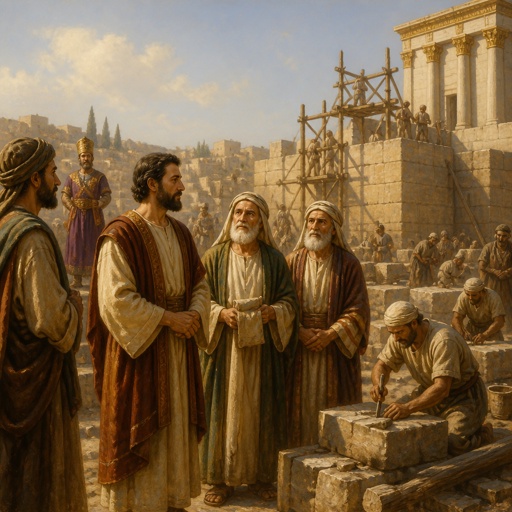
"Let the work of this house of God alone; let the governor of the Jews and the elders of the Jews build this house of God in his place." - Ezra 6:7
Ezra 8:7 - "And of the sons of Elam; Jeshaiah the son of Athaliah, and with him seventy males."

Ezra 6:19 - "And the children of the captivity kept the passover upon the fourteenth day of the first month."

Ezra 8:6 - "Of the sons also of Adin; Ebed the son of Jonathan, and with him fifty males."

Ezra 7:8 - "And he came to Jerusalem in the fifth month, which was in the seventh year of the king."

Ezra 7:21 - "And I, even I Artaxerxes the king, do make a decree to all the treasurers which are beyond the river, that whatsoever Ezra the priest, the scribe of the law of the God of heaven, shall require of you, it be done speedily,"

Ezra 7:7 - "And there went up some of the children of Israel, and of the priests, and the Levites, and the singers, and the porters, and the Nethinims, unto Jerusalem, in the seventh year of Artaxerxes the king."

Ezra 7:5 - "The son of Abishua, the son of Phinehas, the son of Eleazar, the son of Aaron the chief priest:"

Ezra 6:6 - "Now therefore, Tatnai, governor beyond the river, Shethar-boznai, and your companions the Apharsachites, which are beyond the river, be ye far from thence:"

Ezra 6:2 - "And there was found at Achmetha, in the palace that is in the province of the Medes, a roll, and therein was a record thus written:"

Ezra 2:6 - "The children of Pahath-moab, of the children of Jeshua and Joab, two thousand eight hundred and twelve."

Ezra 7:25 - "And thou, Ezra, after the wisdom of thy God, that is in thine hand, set magistrates and judges, which may judge all the people that are beyond the river, all such as know the laws of thy God; and teach ye them that know them not."

"Artaxerxes, king of kings, unto Ezra the priest, a scribe of the law of the God of heaven, perfect peace, and at such a time." - Ezra 7:12