What does Ezra 8:15 mean?
“And I gathered them together to the river that runneth to Ahava; and there abode we in tents three days: and I viewed the people, and the priests, and found there none of the sons of Levi.” — Ezra 8:15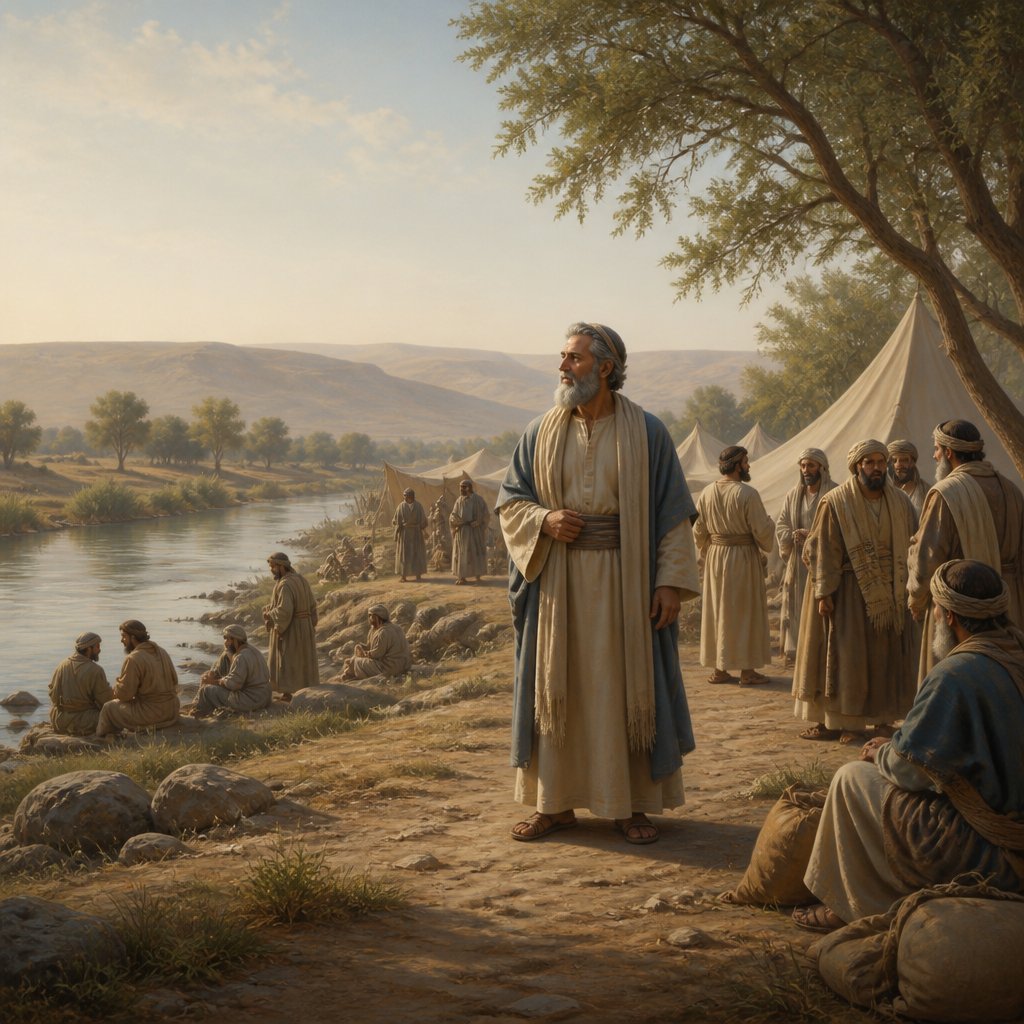
Ezra 8:15 from the King James Version of the Bible reads, "And I gathered them together to the river that runneth to Ahava; and there abode we in tents three days: and I viewed the people, and the priests, and found there none of the sons of Levi."
This particular verse comes from the book of Ezra, which is a historical account of the Jewish people returning to Jerusalem from exile in Babylon, as well as the rebuilding of the temple. In this verse, Ezra is gathering the exiles who were returning to Jerusalem to rebuild the temple. He brings the people to the river that runs to Ahava and they camp there for three days.
One of the key themes in this verse is the importance of gathering and organizing the people. Ezra took the initiative to gather the exiles and lead them back to Jerusalem. This reflects the significant leadership role that Ezra had in the return from exile. It also shows the importance of community and unity in carrying out a common goal, which in this case was the rebuilding of the temple.
The act of camping in tents for three days also holds significance. This period of waiting and preparation is a time of reflection and spiritual awakening. It allowed the people to pause and refocus before embarking on their journey. This theme of spiritual preparation and reflection is echoed in other parts of the Bible, such as the Israelites' time in the desert before entering the Promised Land.
The mention of the priests and the absence of the sons of Levi in the verse also holds symbolism. The Levites were a priestly tribe within Israel, and their absence may have been a cause for concern for Ezra. This verse may be reflective of the challenges and setbacks that the returning exiles faced as they sought to rebuild the temple and reinstate religious practices. The absence of the sons of Levi may have required a restructuring of the priestly duties and responsibilities, which would have been a significant undertaking.
The river that runs to Ahava symbolizes the journey back to Jerusalem. It serves as a marker of transition and change, as the exiles leave behind their time in Babylon and begin their return to their homeland. The act of gathering at the river also signifies a new beginning and a fresh start, as the exiles prepare to rebuild their lives and their connection to God.
In a broader context, this verse is part of the larger narrative of the Jewish people's history and their relationship with God. It represents a turning point, as the exiles begin their journey back to Jerusalem and the restoration of their religious practices. The themes of leadership, community, spiritual preparation, and transition are all essential aspects of this verse and the broader story of Ezra.
Overall, Ezra 8:15 from the King James Version of the Bible carries rich symbolism and themes that reflect the significance of the Jewish people's return from exile and the rebuilding of their religious and spiritual identity. It serves as a reminder of the importance of leadership, unity, and spiritual readiness in facing new challenges and transitions.
Get our apps


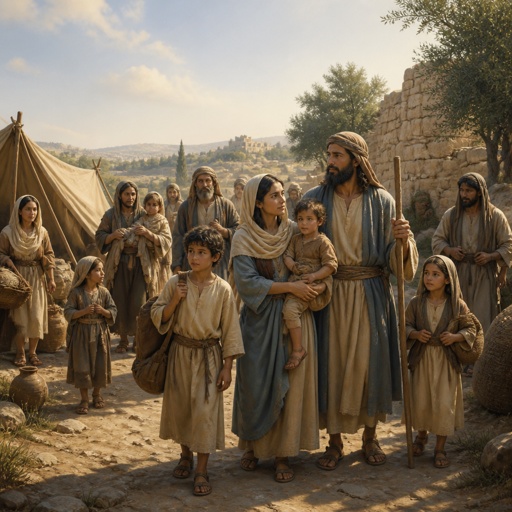
Artwork for Ezra 8:15

Ezra 8:15 - "¶ And I gathered them together to the river that runneth to Ahava; and there abode we in tents three days: and I viewed the people, and the priests, and found there none of the sons of Levi."
"¶ And I gathered them together to the river that runneth to Ahava; and there abode we in tents three days: and I viewed the people, and the priests, and found there none of the sons of Levi." - Ezra 8:15

Ezra 9:13-15

Ezra 8:21

Ezra 6:15-16

Ezra 6:15-16

Ezra 8:8 - "And of the sons of Shephatiah; Zebadiah the son of Michael, and with him fourscore males."

Ezra 2:15 - "The children of Adin, four hundred fifty and four."

Ezra 8:32 - "And we came to Jerusalem, and abode there three days."

Ezra 2:8 - "The children of Zattu, nine hundred forty and five."
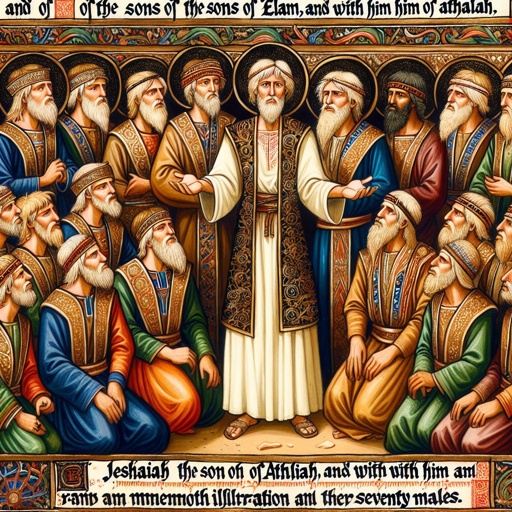
Ezra 8:7 - "And of the sons of Elam; Jeshaiah the son of Athaliah, and with him seventy males."

Ezra 8:10 - "And of the sons of Shelomith; the son of Josiphiah, and with him an hundred and threescore males."
Ezra 8:34 - "By number and by weight of every one: and all the weight was written at that time."

Ezra 8:14 - "Of the sons also of Bigvai; Uthai, and Zabbud, and with them seventy males."

Ezra 8:5 - "Of the sons of Shechaniah; the son of Jahaziel, and with him three hundred males."

Ezra 8:12 - "And of the sons of Azgad; Johanan the son of Hakkatan, and with him an hundred and ten males."

Ezra 7:8 - "And he came to Jerusalem in the fifth month, which was in the seventh year of the king."

Ezra 8:19 - "And Hashabiah, and with him Jeshaiah of the sons of Merari, his brethren and their sons, twenty;"

Ezra 8:6 - "Of the sons also of Adin; Ebed the son of Jonathan, and with him fifty males."

Ezra 8:23 - "So we fasted and besought our God for this: and he was intreated of us."

Ezra 8:11 - "And of the sons of Bebai; Zechariah the son of Bebai, and with him twenty and eight males."

Ezra 8:2 - "Of the sons of Phinehas; Gershom: of the sons of Ithamar; Daniel: of the sons of David; Hattush."

Ezra 8:4 - "Of the sons of Pahath-moab; Elihoenai the son of Zerahiah, and with him two hundred males."

"And of the sons of Shephatiah; Zebadiah the son of Michael, and with him fourscore males." - Ezra 8:8

Ezra 6:15 - "And this house was finished on the third day of the month Adar, which was in the sixth year of the reign of Darius the king."

Ezra 8:9 - "Of the sons of Joab; Obadiah the son of Jehiel, and with him two hundred and eighteen males."

Ezra 8:24 - "¶ Then I separated twelve of the chief of the priests, Sherebiah, Hashabiah, and ten of their brethren with them,"

Ezra 8:13 - "And of the last sons of Adonikam, whose names are these, Eliphelet, Jeiel, and Shemaiah, and with them threescore males."

Ezra 4:8 - "Rehum the chancellor and Shimshai the scribe wrote a letter against Jerusalem to Artaxerxes the king in this sort:"
"The children of Adin, four hundred fifty and four." - Ezra 2:15