What does Ezra 8:2 mean?
“Of the sons of Phinehas; Gershom: of the sons of Ithamar; Daniel: of the sons of David; Hattush.” — Ezra 8:2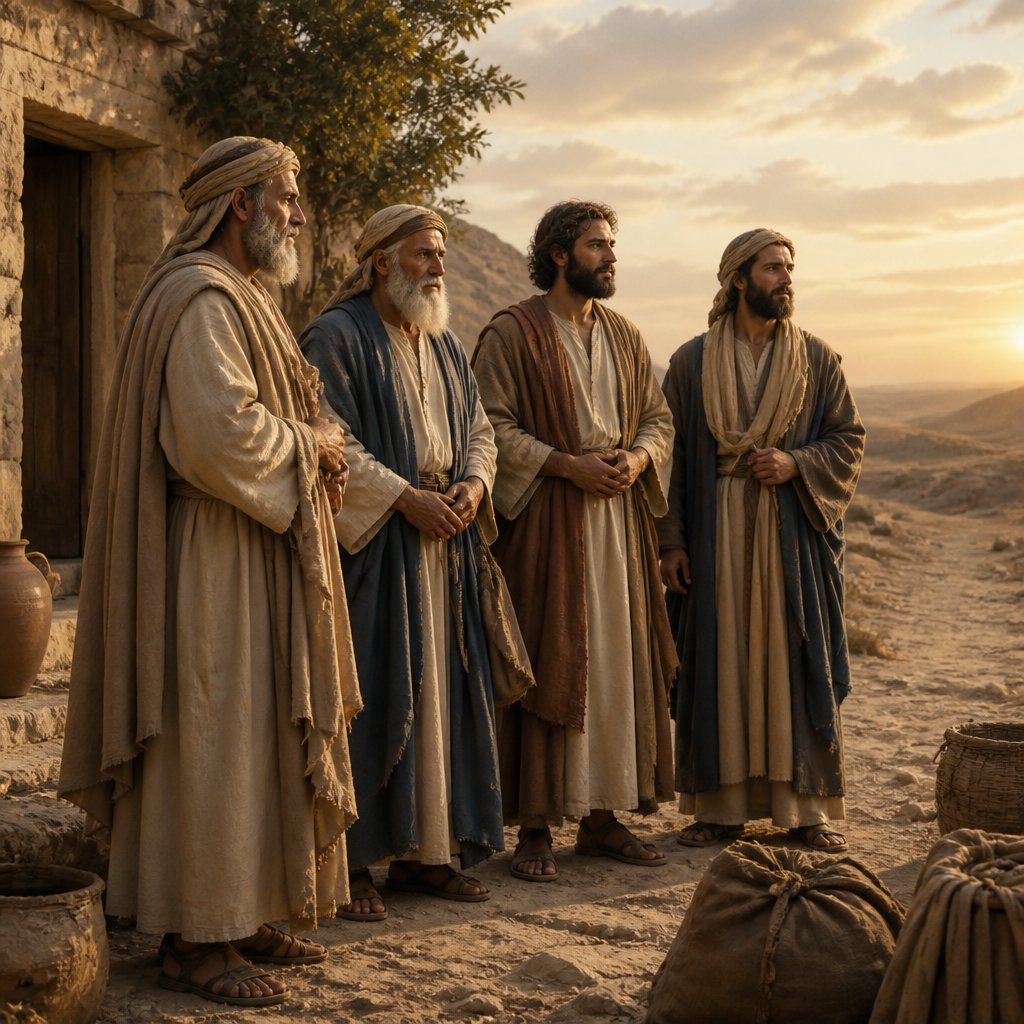
Ezra 8:2 (KJV): "Of the sons of Phinehas; Gershom: of the sons of Ithamar; Daniel: of the sons of David; Hattush."
The book of Ezra is a historical and narrative book in the Old Testament that follows the return of the exiled Israelites to Jerusalem after their captivity in Babylon. The verse in question is part of a list of the heads of families who returned with Ezra from the exile, and their lineage.
The verse starts by mentioning "the sons of Phinehas," who was the son of Eleazar, the son of Aaron, the first high priest of Israel. Phinehas was known for his zealousness for the Lord, which is famously mentioned in the book of Numbers when he stopped a plague by putting to death an Israelite man and a Midianite woman who were blatantly disobeying God's commandments. This act of righteousness earned Phinehas a covenant of peace and a perpetual priesthood for his descendants (Numbers 25:10-13).
The verse then mentions "the sons of Ithamar," who was another son of Aaron, and "the sons of David." It is important to note the inclusion of David in this verse, as he was a significant figure in Jewish history, especially during the time of the monarchy. His lineage is of particular importance because the promised Messiah was prophesied to come from the line of David (Isaiah 11:1).
This verse is primarily about lineage and the tracing of the priestly and royal ancestry of the Israelites. It emphasizes the continuity and faithfulness of God's promises to His people through the generations. The mention of Phinehas highlights the theme of righteousness and obedience, which was crucial for the priests and leaders of Israel. The inclusion of David's lineage is a reminder of God's covenant with David and the promise of a future king from his line, ultimately fulfilled in Jesus Christ.
One of the significant themes in this verse is the importance of lineage and heritage in the Old Testament. The Israelites placed great significance on their ancestry, particularly in matters of priesthood, leadership, and inheritance. It was essential for the priests to prove their lineage from Aaron to serve in the temple, and for the kings to be from the line of David to rule over Israel. This emphasis on lineage served to preserve the purity of the priesthood and the royal line, as well as to uphold the promises and covenants God had made with His people.
Another theme present in this verse is the faithfulness and sovereignty of God. The continued existence and preservation of the priestly and royal lines of Phinehas and David demonstrate God's faithfulness in fulfilling His promises to His people. Throughout the Old Testament, God consistently keeps His covenant with the Israelites, despite their unfaithfulness. The mention of these lineages serves as a reminder of God's enduring faithfulness and His sovereignty over the history and destiny of His chosen people.
In terms of context, this verse is part of the genealogical record of those who returned to Jerusalem with Ezra after the Babylonian exile. It serves as a historical account of the families and groups of people who were part of the return to the promised land. The inclusion of the priestly and royal lineages in this record was essential for establishing the legitimacy and authority of the leaders and priests who were instrumental in the restoration of the temple and the reestablishment of Jewish worship and identity in Jerusalem.
Symbolically, this verse represents the continuity and preservation of the priestly and royal lines, as well as the fulfillment of God's promises. It underscores the significance of lineage and heritage in the history and identity of the Israelites, and the faithfulness of God in maintaining His covenant with His people. The inclusion of Phinehas, Ithamar, and David's descendants in this verse symbolizes the interconnectedness of the priesthood, the monarchy, and the divine plan of redemption, ultimately leading to the fulfillment of God's promise in the person of Jesus Christ.
In conclusion, Ezra 8:2 is a verse that may seem like a simple list of names, but it carries profound theological and historical significance. It reflects the themes of lineage, faithfulness, and sovereignty in the context of the post-exilic period of Israel. It serves as a reminder of God's promises to His people, His faithfulness in fulfilling them, and the continuity of His redemptive plan through the generations. This verse demonstrates how even a seemingly mundane genealogical record can convey important spiritual truths and insights into the nature of God and His relationship with His people.
Get our apps


Artwork for Ezra 8:2

Ezra 8:2 - "Of the sons of Phinehas; Gershom: of the sons of Ithamar; Daniel: of the sons of David; Hattush."
"Of the sons of Phinehas; Gershom: of the sons of Ithamar; Daniel: of the sons of David; Hattush." - Ezra 8:2

Ezra 2:8 - "The children of Zattu, nine hundred forty and five."

"The children of Zattu, nine hundred forty and five." - Ezra 2:8

Nehemiah 8:2 - "And Ezra the priest brought the law before the congregation both of men and women, and all that could hear with understanding, upon the first day of the seventh month."

Ezra 8:21

Ezra 8:8 - "And of the sons of Shephatiah; Zebadiah the son of Michael, and with him fourscore males."

Ezra 8:32 - "And we came to Jerusalem, and abode there three days."
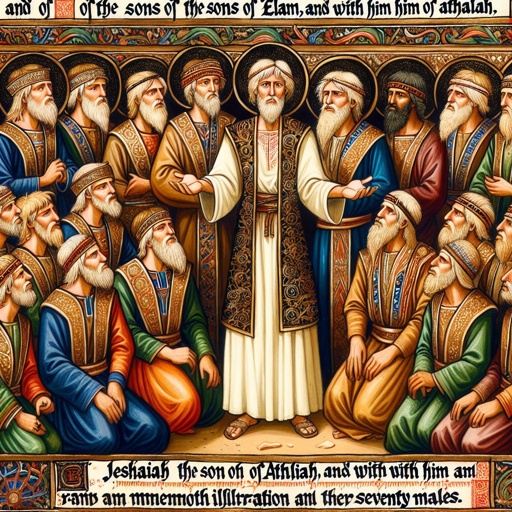
Ezra 8:7 - "And of the sons of Elam; Jeshaiah the son of Athaliah, and with him seventy males."

Ezra 8:10 - "And of the sons of Shelomith; the son of Josiphiah, and with him an hundred and threescore males."
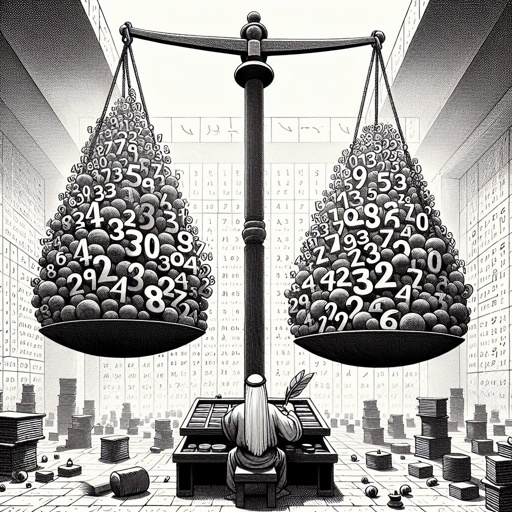
Ezra 8:34 - "By number and by weight of every one: and all the weight was written at that time."

Ezra 8:14 - "Of the sons also of Bigvai; Uthai, and Zabbud, and with them seventy males."

Ezra 8:5 - "Of the sons of Shechaniah; the son of Jahaziel, and with him three hundred males."

Ezra 3:2

Ezra 3:2

Ezra 3:2

Ezra 7:8 - "And he came to Jerusalem in the fifth month, which was in the seventh year of the king."

Ezra 8:12 - "And of the sons of Azgad; Johanan the son of Hakkatan, and with him an hundred and ten males."

Ezra 8:6 - "Of the sons also of Adin; Ebed the son of Jonathan, and with him fifty males."

Ezra 8:19 - "And Hashabiah, and with him Jeshaiah of the sons of Merari, his brethren and their sons, twenty;"

Ezra 8:23 - "So we fasted and besought our God for this: and he was intreated of us."

Ezra 8:11 - "And of the sons of Bebai; Zechariah the son of Bebai, and with him twenty and eight males."

Ezra 8:4 - "Of the sons of Pahath-moab; Elihoenai the son of Zerahiah, and with him two hundred males."

"And of the sons of Shephatiah; Zebadiah the son of Michael, and with him fourscore males." - Ezra 8:8

Ezra 3:2

Ezra 3:2

Ezra 8:9 - "Of the sons of Joab; Obadiah the son of Jehiel, and with him two hundred and eighteen males."

Ezra 8:24 - "¶ Then I separated twelve of the chief of the priests, Sherebiah, Hashabiah, and ten of their brethren with them,"

Ezra 8:13 - "And of the last sons of Adonikam, whose names are these, Eliphelet, Jeiel, and Shemaiah, and with them threescore males."

Ezra 9:1-2