What does Ezra 8:24 mean?
“Then I separated twelve of the chief of the priests, Sherebiah, Hashabiah, and ten of their brethren with them,” — Ezra 8:24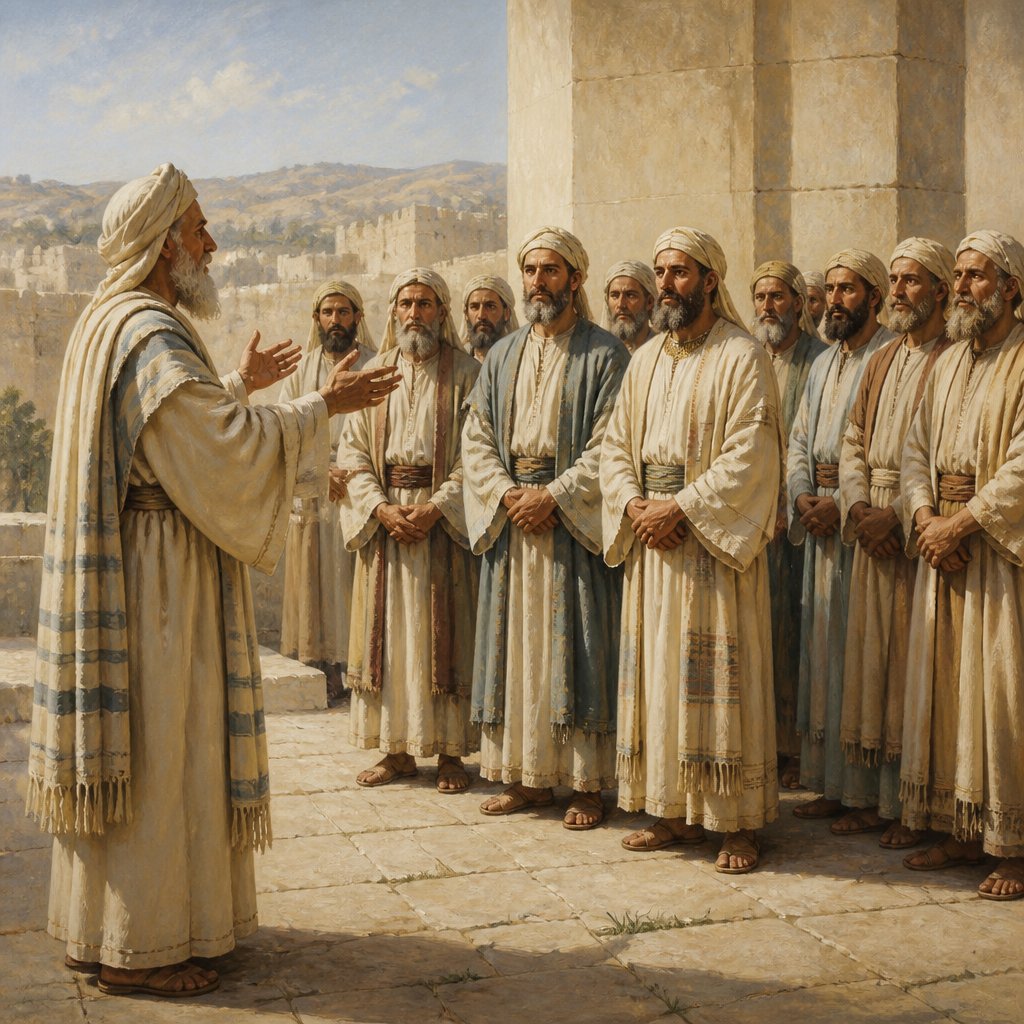
Ezra 8:24 in the King James Version of the Bible reads, "Then I separated twelve of the chief of the priests, Sherebiah, Hashabiah, and ten of their brethren with them, "
This verse is found in the Book of Ezra, which is a book of the Hebrew Bible and the Old Testament. It is a historical narrative that tells the story of the Israelites returning to Jerusalem from their exile in Babylon. The Book of Ezra focuses on the restoration of the Temple in Jerusalem and the reestablishment of the religious practices of the Israelite people.
In this particular verse, Ezra, a scribe and priest, is preparing for the return to Jerusalem from Babylon. He is organizing a group of priests and Levites to accompany him on the journey. The twelve chiefs of the priests mentioned in this verse are appointed to lead and guide the people in matters of faith and religious observance.
The verse carries several significant themes that are relevant to both the historical context of the time and the broader theological teachings of the Bible. One prominent theme is the importance of religious leadership and organization. The appointment of the twelve chief priests and the mention of their specific names highlights the role and significance of religious leaders in guiding the people and upholding the faith.
Another theme that can be drawn from this verse is the idea of communal responsibility and collaboration. The priests are not acting alone, but are accompanied by their brethren, emphasizing the importance of working together in matters of faith and worship. This theme underscores the biblical emphasis on community and shared responsibility in the practice of religion.
The verse also holds significance in the context of the historical narrative of the Israelites' return to Jerusalem. After years of exile in Babylon, the Israelites were seeking to rebuild their religious community and reestablish their connection to the land and the Temple. The appointment of the priests and their journey to Jerusalem symbolizes the rekindling of the religious identity and practices of the Israelite people.
Symbolism can also be found in the specific names mentioned in the verse. Sherebiah and Hashabiah, along with their brethren, are mentioned as leaders of the priests. In biblical tradition, names often hold symbolic meaning, and these names may carry significance in their etymology or historical context. Sherebiah, for example, means "flame of the Lord," which could symbolize the priests' role in keeping the spiritual fire burning within the community.
Furthermore, the number twelve is significant in the Bible, representing completeness and perfection. The appointment of twelve chief priests may symbolize the wholeness and integrity of the leadership structure, as well as the unity and cohesion of the religious community as a whole.
Overall, Ezra 8:24 is a verse that carries important themes of religious leadership, communal responsibility, and the restoration of the religious identity of the Israelite people. It reflects the historical context of the Israelites' return to Jerusalem and the rebuilding of their religious community, while also carrying broader theological significance in its themes and symbolism.
Get our apps


Artwork for Ezra 8:24

Ezra 8:24 - "¶ Then I separated twelve of the chief of the priests, Sherebiah, Hashabiah, and ten of their brethren with them,"
"¶ Then I separated twelve of the chief of the priests, Sherebiah, Hashabiah, and ten of their brethren with them," - Ezra 8:24

Ezra 2:24 - "The children of Azmaveth, forty and two."

Ezra 10:24 - "Of the singers also; Eliashib: and of the porters; Shallum, and Telem, and Uri."

Ezra 8:21

Ezra 8:8 - "And of the sons of Shephatiah; Zebadiah the son of Michael, and with him fourscore males."
"The children of Azmaveth, forty and two." - Ezra 2:24

Ezra 8:32 - "And we came to Jerusalem, and abode there three days."

Ezra 2:8 - "The children of Zattu, nine hundred forty and five."
Ezra 8:7 - "And of the sons of Elam; Jeshaiah the son of Athaliah, and with him seventy males."

Ezra 8:10 - "And of the sons of Shelomith; the son of Josiphiah, and with him an hundred and threescore males."
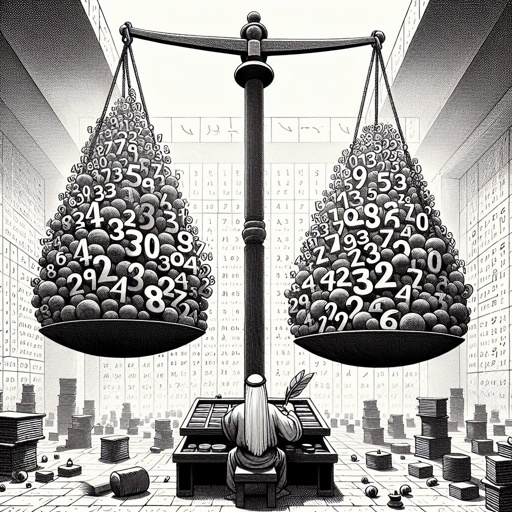
Ezra 8:34 - "By number and by weight of every one: and all the weight was written at that time."

Ezra 8:14 - "Of the sons also of Bigvai; Uthai, and Zabbud, and with them seventy males."

Ezra 8:5 - "Of the sons of Shechaniah; the son of Jahaziel, and with him three hundred males."

Ezra 8:12 - "And of the sons of Azgad; Johanan the son of Hakkatan, and with him an hundred and ten males."

Ezra 7:8 - "And he came to Jerusalem in the fifth month, which was in the seventh year of the king."

Ezra 8:19 - "And Hashabiah, and with him Jeshaiah of the sons of Merari, his brethren and their sons, twenty;"

Ezra 8:6 - "Of the sons also of Adin; Ebed the son of Jonathan, and with him fifty males."

Ezra 8:23 - "So we fasted and besought our God for this: and he was intreated of us."

Ezra 4:24 - "Then ceased the work of the house of God which is at Jerusalem. So it ceased unto the second year of the reign of Darius king of Persia."

Ezra 8:11 - "And of the sons of Bebai; Zechariah the son of Bebai, and with him twenty and eight males."

Ezra 8:2 - "Of the sons of Phinehas; Gershom: of the sons of Ithamar; Daniel: of the sons of David; Hattush."

Ezra 8:4 - "Of the sons of Pahath-moab; Elihoenai the son of Zerahiah, and with him two hundred males."

"And of the sons of Shephatiah; Zebadiah the son of Michael, and with him fourscore males." - Ezra 8:8
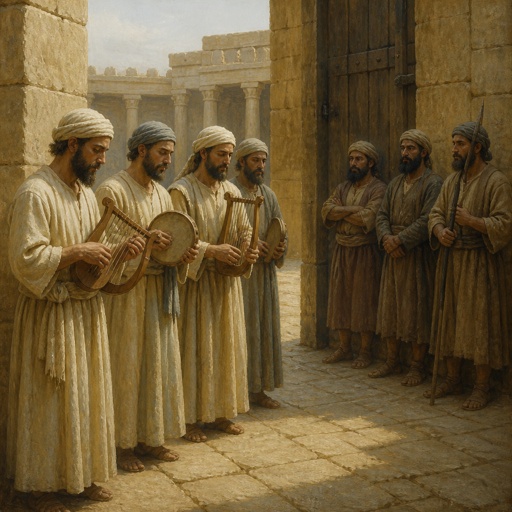
"Of the singers also; Eliashib: and of the porters; Shallum, and Telem, and Uri." - Ezra 10:24

Ezra 8:9 - "Of the sons of Joab; Obadiah the son of Jehiel, and with him two hundred and eighteen males."

Ezra 8:13 - "And of the last sons of Adonikam, whose names are these, Eliphelet, Jeiel, and Shemaiah, and with them threescore males."

Ezra 4:8 - "Rehum the chancellor and Shimshai the scribe wrote a letter against Jerusalem to Artaxerxes the king in this sort:"

Ezra 8:3 - "Of the sons of Shechaniah, of the sons of Pharosh; Zechariah: and with him were reckoned by genealogy of the males an hundred and fifty."

Ezra 8:27 - "Also twenty basons of gold, of a thousand drams; and two vessels of fine copper, precious as gold."