What does Ezra 9:13 mean?
“And after all that is come upon us for our evil deeds, and for our great trespass, seeing that thou our God hast punished us less than our iniquities deserve, and hast given us such deliverance as this;” — Ezra 9:13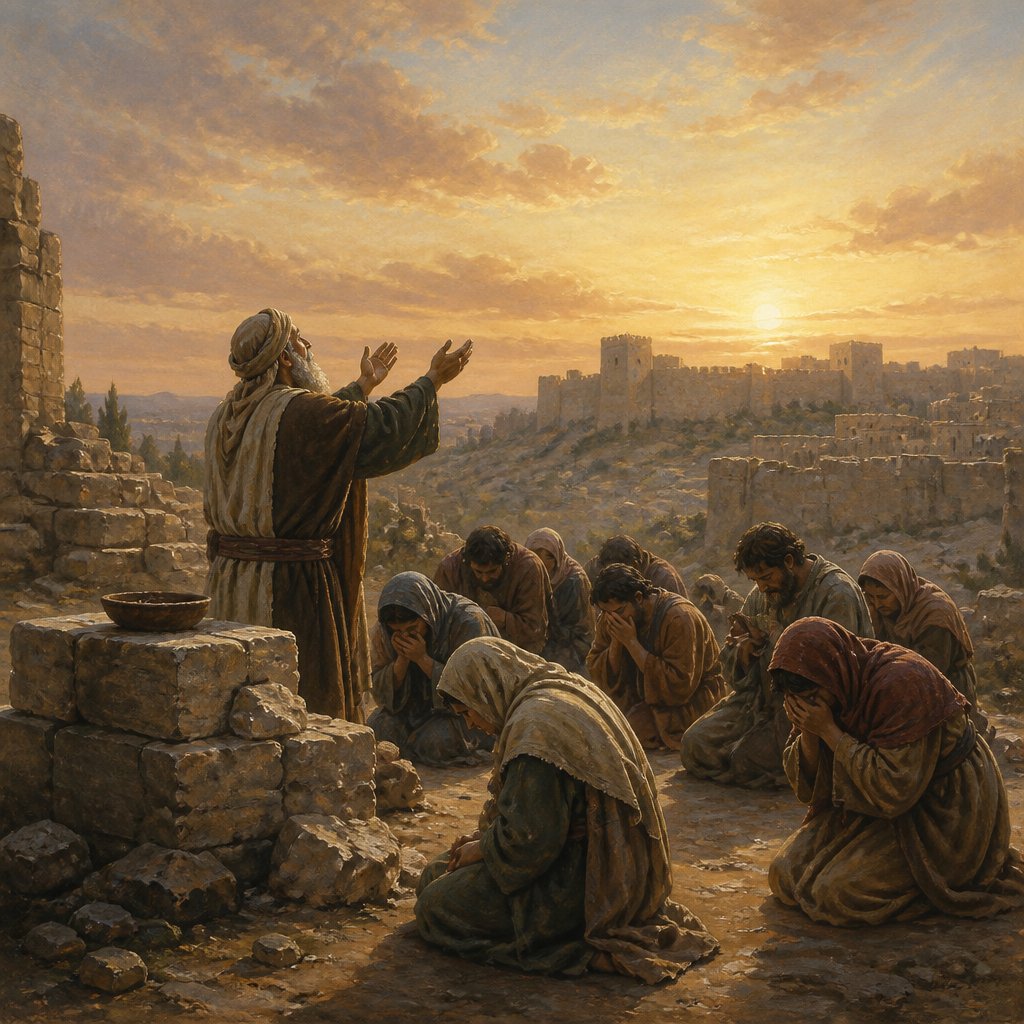
Ezra 9:13 KJV - And after all that is come upon us for our evil deeds, and for our great trespass, seeing that thou our God hast punished us less than our iniquities deserve, and hast given us such deliverance as this;
The book of Ezra is a historical and prophetic book found in the Old Testament of the Bible. It tells the story of the Israelites who were exiled in Babylon and their eventual return to Jerusalem to rebuild the temple. The verse Ezra 9:13 comes in the context of Ezra's prayer of repentance and confession for the sins of the Israelites.
In this verse, Ezra acknowledges the punishment that the Israelites have received for their evil deeds and great trespasses. He recognizes that God has been merciful towards them, punishing them less than they deserve for their iniquities, and has given them deliverance in the form of the opportunity to return to Jerusalem and rebuild the temple.
The theme of repentance and confession is central to this verse. The verse acknowledges the sinful nature of the Israelites and their need for forgiveness and redemption. Ezra recognizes that the punishment they have received is a result of their own actions and confesses the wrongdoings of the people. This theme is consistent with the larger message of the book of Ezra, which is the restoration of the people of Israel through repentance and the rebuilding of the temple.
The context of this verse is important to understand its significance. The Israelites had been exiled in Babylon for their disobedience to God, and as they returned to Jerusalem, they faced many challenges. The rebuilding of the temple was a central part of their restoration, and Ezra's prayer of confession and repentance was a pivotal moment in their journey back to God. The verse serves as a reminder of the consequences of sin and the importance of seeking forgiveness and redemption.
Symbolically, this verse represents the mercy and grace of God towards his people. Despite their disobedience and sin, God has not dealt with them according to what their iniquities deserve. Instead, he has provided them with deliverance and the opportunity for restoration. The verse also symbolizes the hope for a new beginning and the promise of forgiveness and redemption through repentance.
Overall, Ezra 9:13 is a powerful verse that captures the essence of the Israelites' journey towards repentance and restoration. It emphasizes the importance of confessing our sins and seeking forgiveness from God. It also serves as a reminder of God's mercy and grace towards his people, even in the face of their disobedience. As such, it continues to be a source of inspiration and hope for those who seek redemption and restoration in their relationship with God.
Get our apps


Artwork for Ezra 9:13

Ezra 9:13-15

Ezra 9:13 - "And after all that is come upon us for our evil deeds, and for our great trespass, seeing that thou our God hast punished us less than our iniquities deserve, and hast given us such deliverance as this;"
"And after all that is come upon us for our evil deeds, and for our great trespass, seeing that thou our God hast punished us less than our iniquities deserve, and hast given us such deliverance as this;" - Ezra 9:13

Ezra 9:6

Ezra 3:9

Ezra 9:3

Ezra 9:1

Ezra 9:1

Ezra 9:1

Ezra 9:1-2

Ezra 9:1-2

Nehemiah 12:13 - "Of Ezra, Meshullam; of Amariah, Jehohanan;"

Ezra 2:9 - "The children of Zaccai, seven hundred and threescore."
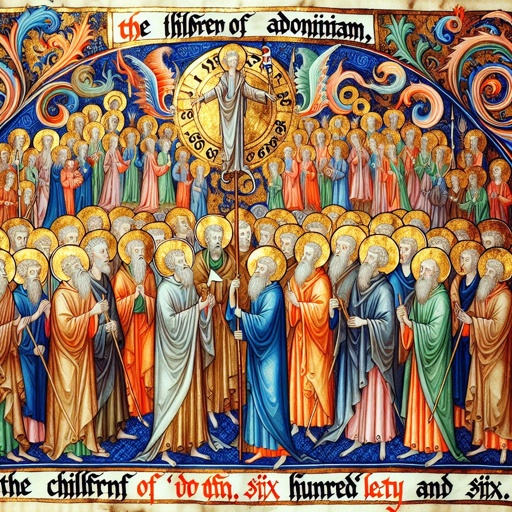
Ezra 2:13 - "The children of Adonikam, six hundred sixty and six."

"Of Ezra, Meshullam; of Amariah, Jehohanan;" - Nehemiah 12:13

Ezra 8:13 - "And of the last sons of Adonikam, whose names are these, Eliphelet, Jeiel, and Shemaiah, and with them threescore males."

Ezra 8:9 - "Of the sons of Joab; Obadiah the son of Jehiel, and with him two hundred and eighteen males."

Ezra 1:9 - "And this is the number of them: thirty chargers of gold, a thousand chargers of silver, nine and twenty knives,"

Ezra 5:13 - "But in the first year of Cyrus the king of Babylon the same king Cyrus made a decree to build this house of God."

"The children of Zaccai, seven hundred and threescore." - Ezra 2:9

Ezra 9:10 - "And now, O our God, what shall we say after this? for we have forsaken thy commandments,"
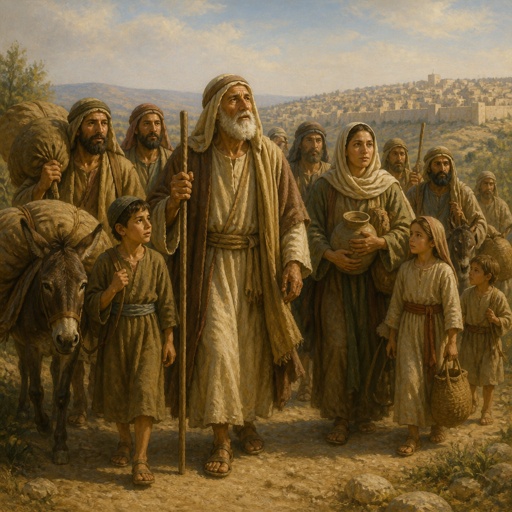
"The children of Adonikam, six hundred sixty and six." - Ezra 2:13

Ezra 6:13 - "¶ Then Tatnai, governor on this side the river, Shethar-boznai, and their companions, according to that which Darius the king had sent, so they did speedily."

Ezra 5:9 - "Then asked we those elders, and said unto them thus, Who commanded you to build this house, and to make up these walls?"

Ezra 4:9 - "Then wrote Rehum the chancellor, and Shimshai the scribe, and the rest of their companions; the Dinaites, the Apharsathchites, the Tarpelites, the Apharsites, the Archevites, the Babylonians, the Susanchites, the Dehavites, and the Elamites,"
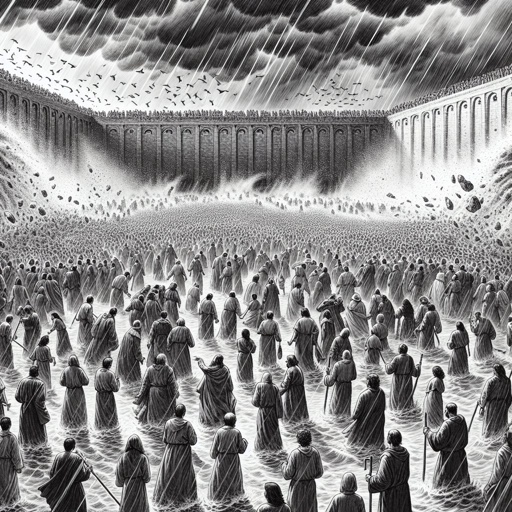
Ezra 10:13 - "But the people are many, and it is a time of much rain, and we are not able to stand without, neither is this a work of one day or two: for we are many that have transgressed in this thing."

Nehemiah 8:13 - "¶ And on the second day were gathered together the chief of the fathers of all the people, the priests, and the Levites, unto Ezra the scribe, even to understand the words of the law."

Ezra 4:13 - "Be it known now unto the king, that, if this city be builded, and the walls set up again, then will they not pay toll, tribute, and custom, and so thou shalt endamage the revenue of the kings."

Ezra 3:13 - "So that the people could not discern the noise of the shout of joy from the noise of the weeping of the people: for the people shouted with a loud shout, and the noise was heard afar off."

Ezra 7:13 - "I make a decree, that all they of the people of Israel, and of his priests and Levites, in my realm, which are minded of their own freewill to go up to Jerusalem, go with thee."