What does Ezra 9:15 mean?
“O LORD God of Israel, thou art righteous: for we remain yet escaped, as it is this day: behold, we are before thee in our trespasses: for we cannot stand before thee because of this.” — Ezra 9:15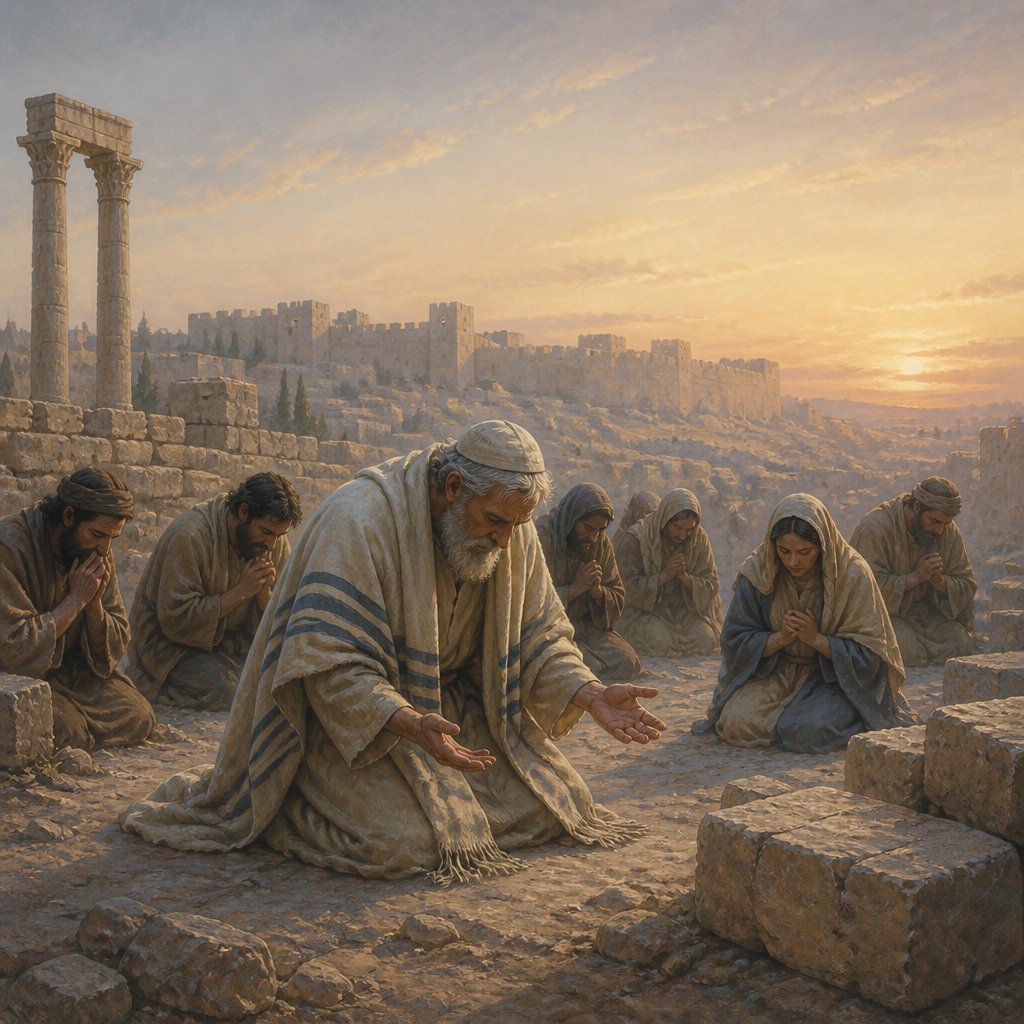
Ezra 9:15 (KJV) states: "O Lord God of Israel, thou art righteous: for we remain yet escaped, as it is this day: behold, we are before thee in our trespasses: for we cannot stand before thee because of this."
The book of Ezra is set during the historical period when the Israelites were allowed to return from their exile in Babylon to rebuild the temple in Jerusalem. This rebuilding signified both physical and spiritual restoration for the nation of Israel. However, the people faced numerous challenges, including intermarriage with pagan nations, which threatened their faith and identity as the chosen people of God.
In Ezra 9:15, the speaker acknowledges the righteousness of God while confessing the sins of the people of Israel. They recognize that, despite God's mercy and protection, they have continued to rebel and transgress against His commandments. The acknowledgment of God's righteousness indicates a deep understanding of His holiness and sovereignty, as well as the people's unworthiness before Him.
The phrase "for we remain yet escaped, as it is this day" reflects the people's gratitude for being allowed to return to their homeland and rebuild the temple. They recognize that it is only by God's grace and mercy that they have not been completely destroyed or forgotten. This acknowledgment of God's faithfulness and deliverance emphasizes the theme of grace and redemption throughout the verse.
The speaker then declares, "behold, we are before thee in our trespasses: for we cannot stand before thee because of this." This confession reveals the people's humble acknowledgment of their sinfulness and inability to stand before a holy God on their own merits. They recognize that their trespasses have separated them from God and acknowledge their need for His forgiveness and restoration.
The context of this verse is crucial for understanding its significance. The Israelites had been given a second chance to rebuild their nation and temple after years of exile and captivity. However, they had continued to compromise their faith by intermarrying with pagan nations, thus diluting their identity as God's chosen people. The verse serves as a poignant reminder of the importance of remaining faithful to God and His commandments, even in the face of adversity and temptation.
The symbolism in this verse is powerful and multi-layered. The acknowledgement of God's righteousness and the people's inability to stand before Him due to their trespasses highlights the theme of sin and redemption. It emphasizes the need for repentance and the recognition of God's holiness. The concept of escaping from complete destruction also symbolizes God's mercy and protection over His people, despite their disobedience.
Overall, Ezra 9:15 serves as a powerful reminder of the consequences of sin and the need for repentance and restoration. It illustrates the importance of acknowledging God's righteousness and sovereignty while humbly seeking His forgiveness and grace. The verse speaks to the universal human experience of falling short of God's standards and the continual need for His mercy and redemption. It also underscores the enduring faithfulness of God, who remains steadfast in His love for His people, despite their failings.
Get our apps


Artwork for Ezra 9:15

Ezra 9:15 - "O LORD God of Israel, thou art righteous: for we remain yet escaped, as it is this day: behold, we are before thee in our trespasses: for we cannot stand before thee because of this."
"O LORD God of Israel, thou art righteous: for we remain yet escaped, as it is this day: behold, we are before thee in our trespasses: for we cannot stand before thee because of this." - Ezra 9:15

Ezra 9:13-15

Ezra 9:6

Ezra 3:9

Ezra 9:3

Ezra 9:1

Ezra 9:1

Ezra 9:1

Ezra 6:15-16

Ezra 6:15-16

Ezra 9:1-2

Ezra 9:1-2

Ezra 2:15 - "The children of Adin, four hundred fifty and four."

Ezra 2:9 - "The children of Zaccai, seven hundred and threescore."

Ezra 8:9 - "Of the sons of Joab; Obadiah the son of Jehiel, and with him two hundred and eighteen males."

Ezra 6:15 - "And this house was finished on the third day of the month Adar, which was in the sixth year of the reign of Darius the king."

Ezra 1:9 - "And this is the number of them: thirty chargers of gold, a thousand chargers of silver, nine and twenty knives,"
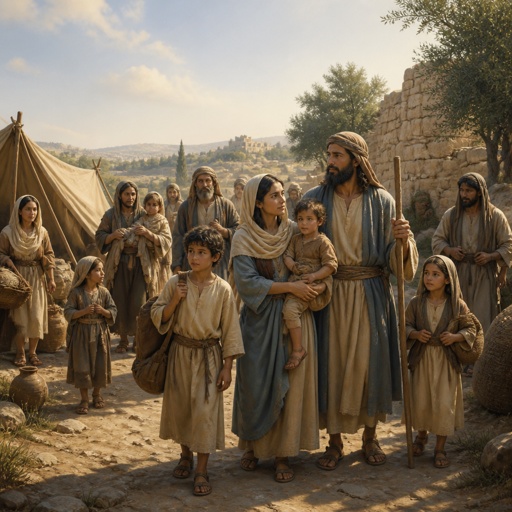
"The children of Adin, four hundred fifty and four." - Ezra 2:15

"The children of Zaccai, seven hundred and threescore." - Ezra 2:9

Ezra 9:10 - "And now, O our God, what shall we say after this? for we have forsaken thy commandments,"
Ezra 10:15 - "¶ Only Jonathan the son of Asahel and Jahaziah the son of Tikvah were employed about this matter: and Meshullam and Shabbethai the Levite helped them."

Ezra 5:15 - "And said unto him, Take these vessels, go, carry them into the temple that is in Jerusalem, and let the house of God be builded in his place."

Ezra 7:15 - "And to carry the silver and gold, which the king and his counsellors have freely offered unto the God of Israel, whose habitation is in Jerusalem,"

Ezra 5:9 - "Then asked we those elders, and said unto them thus, Who commanded you to build this house, and to make up these walls?"

Ezra 4:9 - "Then wrote Rehum the chancellor, and Shimshai the scribe, and the rest of their companions; the Dinaites, the Apharsathchites, the Tarpelites, the Apharsites, the Archevites, the Babylonians, the Susanchites, the Dehavites, and the Elamites,"

Ezra 8:15 - "¶ And I gathered them together to the river that runneth to Ahava; and there abode we in tents three days: and I viewed the people, and the priests, and found there none of the sons of Levi."

Ezra 9:3 - "And when I heard this thing, I rent my garment and my mantle, and plucked off the hair of my head and of my beard, and sat down astonied."

Ezra 9:9 - "For we were bondmen; yet our God hath not forsaken us in our bondage, but hath extended mercy unto us in the sight of the kings of Persia, to give us a reviving, to set up the house of our God, and to repair the desolations thereof, and to give us a wall in Judah and in Jerusalem."

"Of the sons of Joab; Obadiah the son of Jehiel, and with him two hundred and eighteen males." - Ezra 8:9