What does Genesis 10:13 mean?
“And Mizraim begat Ludim, and Anamim, and Lehabim, and Naphtuhim,” — Genesis 10:13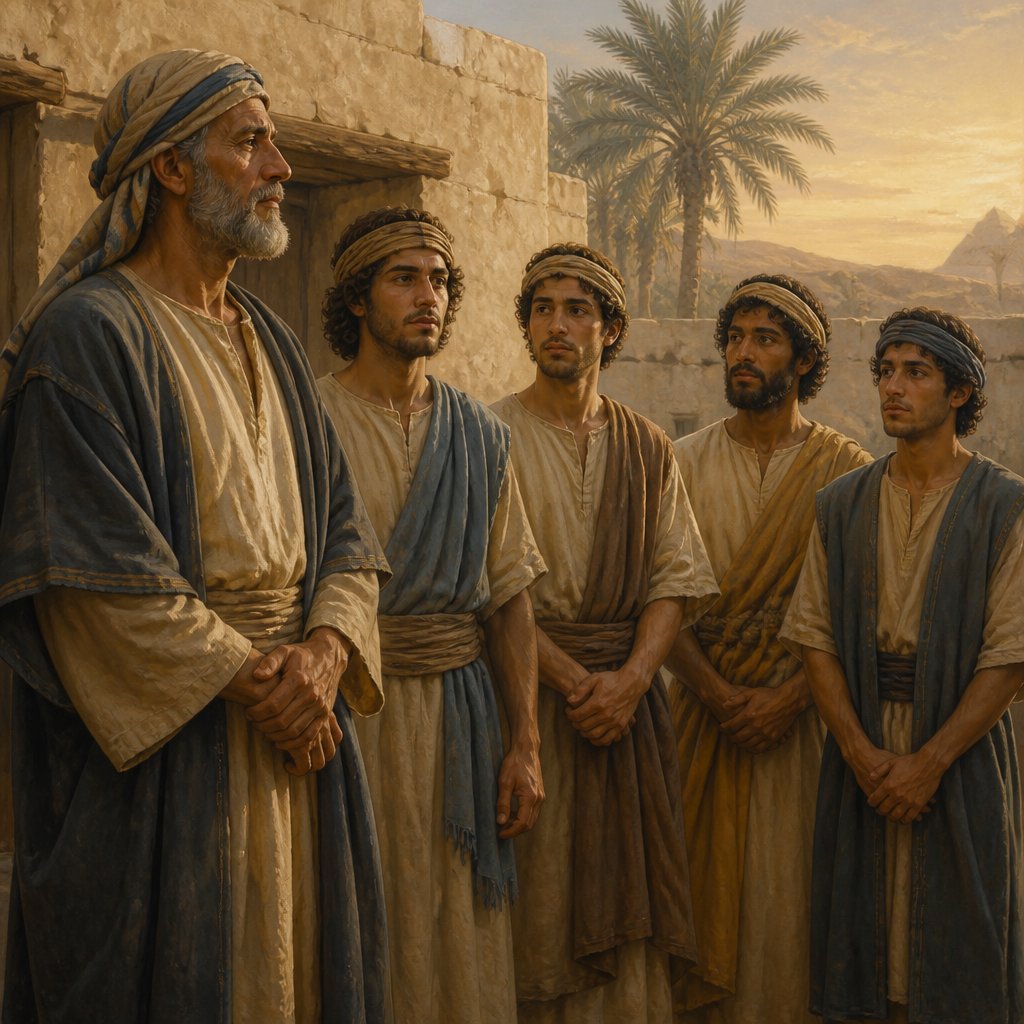
Genesis 10:13 in the King James Version of the Bible reads, "And Mizraim begat Ludim, and Anamim, and Lehabim, and Naphtuhim." This verse is part of a larger passage known as the table of nations, which lists the descendants of Noah's three sons: Shem, Ham, and Japheth. In the case of Genesis 10:13, the verse specifically focuses on the descendants of Ham, who was the father of Mizraim.
Contextually, this verse comes immediately after the genealogy of the sons of Ham and is followed by the mention of additional sons and grandsons of Mizraim. This genealogical account is important because it sets the stage for the establishment of nations and people groups that will play a significant role in biblical history. The table of nations provides a link between the global flood and the various nations that emerged in the ancient world.
In order to fully understand the significance of Genesis 10:13, it is important to consider the broader themes and context of the passage. One of the key themes in this verse is the idea of lineage and ancestry. In biblical times, a person's ancestry was of utmost importance, as it determined their identity, inheritance, and lineage. The genealogical records served as a way of tracing and preserving the history and heritage of a particular people group.
Another important theme in this verse is the idea of legacy and posterity. Mizraim, as a descendant of Ham, played a pivotal role in the establishment of ancient nations and civilizations. His offspring, including Ludim, Anamim, Lehabim, and Naphtuhim, would go on to form the foundation of these nations, each contributing to the cultural, social, and historical fabric of the ancient world.
Symbolically, the mention of these descendants serves as a reminder of the interconnectedness of humanity and the diversity of cultures and nations that emerged following the flood. It also underscores the sovereignty of God in orchestrating the rise and fall of nations and people groups. Each descendant mentioned in this verse represents a thread in the intricate tapestry of human history, woven together by the guiding hand of God.
Furthermore, the genealogy of Mizraim and his descendants highlights the fulfillment of God's promise to Noah and his sons to multiply and fill the earth. It serves as a testimony to the faithfulness of God in preserving and fulfilling His covenantal promises to humanity, despite the challenges and obstacles that arise throughout history.
In conclusion, Genesis 10:13 may seem like a simple genealogical record, but it carries significant meaning in the broader context of biblical history. It serves as a reminder of the interconnectedness of humanity, the importance of lineage and ancestry, and the fulfillment of God's promises to multiply and fill the earth. Ultimately, this verse points to the sovereignty of God in shaping the course of human history and the diverse tapestry of nations and cultures that have emerged as a result.
Get our apps


Artwork for Genesis 10:13

Genesis 10:13 - "And Mizraim begat Ludim, and Anamim, and Lehabim, and Naphtuhim,"
"And Mizraim begat Ludim, and Anamim, and Lehabim, and Naphtuhim," - Genesis 10:13

Genesis 13:10

Genesis 13:10 - "And Lot lifted up his eyes, and beheld all the plain of Jordan, that it was well watered every where, before the LORD destroyed Sodom and Gomorrah, even as the garden of the LORD, like the land of Egypt, as thou comest unto Zoar."

Genesis 13:13 - "But the men of Sodom were wicked and sinners before the LORD exceedingly."

Genesis 20-13

Genesis 15:13
Genesis 18-13

Genesis 25-13

Genesis 9:13

Genesis 16:13

Genesis 19-13

Genesis 21-13

Genesis 23-13

Genesis 28-13

Genesis 17-13
Genesis 24-13

Genesis 22-13

Genesis 15:10

Genesis 23-10

Genesis 22-10

Genesis 16:10

Genesis 17:10

Genesis 19-10

Genesis 20-10

Genesis 22:10

Genesis 21-10

Genesis 18-10

Genesis 24:10

Genesis 25-10