What does Genesis 10:31 mean?
“These are the sons of Shem, after their families, after their tongues, in their lands, after their nations.” — Genesis 10:31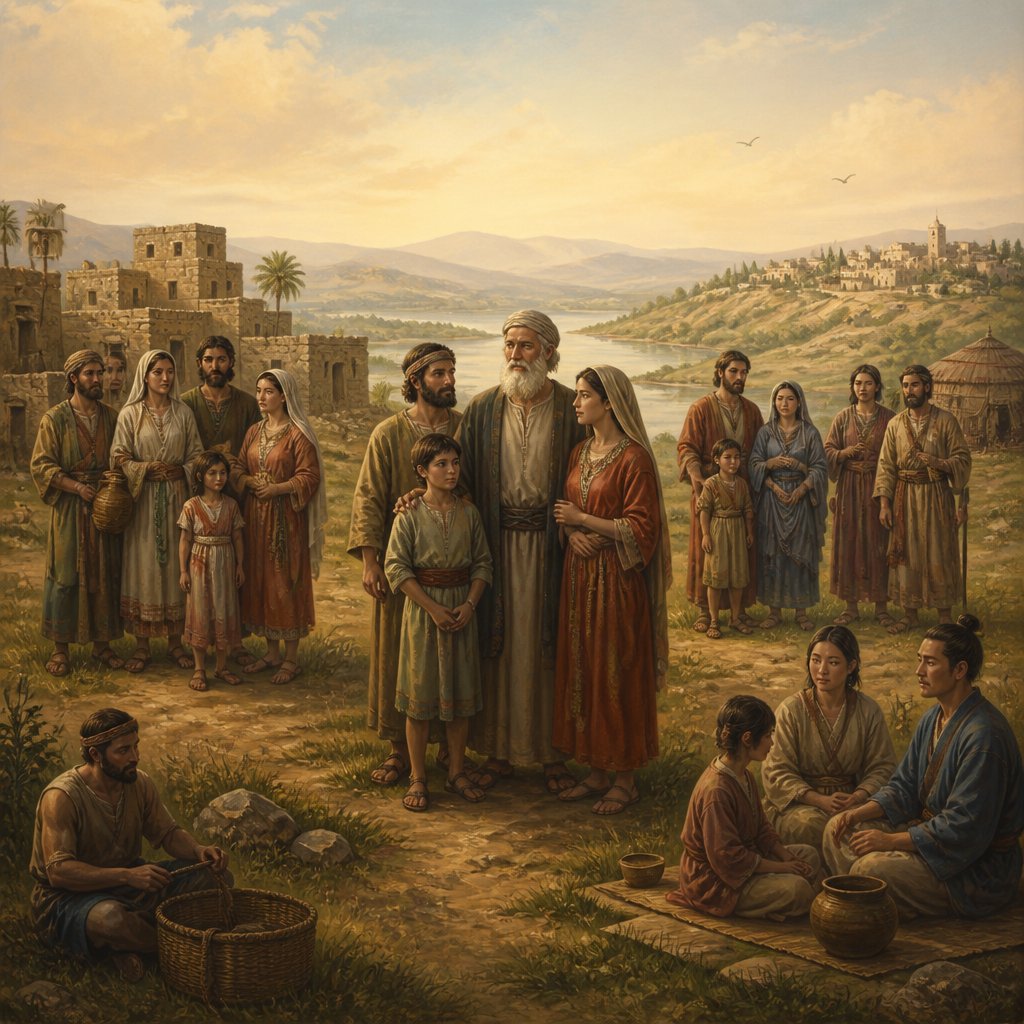
Genesis 10:31 (KJV) reads, "These are the sons of Shem, after their families, after their tongues, in their lands, after their nations." This verse is found within the genealogy of the descendants of Noah, which is often referred to as the Table of Nations. This passage is an important part of the biblical narrative and provides a deeper understanding of the origins of different nations and languages.
The Book of Genesis, where this verse is located, is the first book of the Christian Bible and the Hebrew Scriptures. It serves as a historical and theological foundation for the rest of the Bible. The narratives in Genesis are fundamental to understanding key themes such as the origins of humanity, the nature of God, the concept of sin, and the promise of redemption through a chosen people. Genesis 10 in particular lists the descendants of the three sons of Noah—Shem, Ham, and Japheth—and traces the genealogy of these nations.
In Genesis 10:31, the focus is on the descendants of Shem, who are organized into their respective families, languages, lands, and nations. This emphasis on language and nationhood is significant, as it illustrates the diversity of humanity that emerged from the descendants of Noah. The verse hints at the dispersion of people across the earth and the formation of distinct cultures and nations.
One of the key themes in this verse is the idea of God's sovereignty and providence over the nations. The concept of nations and languages as part of God's divine plan is echoed throughout the Bible, particularly in the Old Testament. The Tower of Babel story in Genesis 11 further explores the theme of language and the division of people, showing how God scattered the people and confused their language as a response to their pride and rebellion.
The context of Genesis 10:31 also speaks to the importance of family and ancestry in the biblical narrative. The genealogies in the Bible serve as a reminder of the interconnectedness of humanity and the continuity of God's plan through specific lineages. They also provide a historical foundation for the emergence of Israel as a chosen nation and the fulfillment of God's covenant promises.
The symbolism in this verse lies in its depiction of diversity and unity among humanity. The mention of "tongues" signifies the linguistic diversity that emerges as people spread across the earth, while the reference to "lands" and "nations" points to the formation of distinct cultural and political entities. This diversity is a reflection of God's creative and complex design for humanity, which embraces differences and yet ultimately seeks to bring all people into relationship with Him.
The verse also conveys the idea of unity within diversity. Despite the proliferation of different nations and languages, the underlying unity of human descent from Noah and ultimately from Adam and Eve is emphasized. This unity is a constant theme in the Bible, culminating in the vision of a restored and unified humanity in the new heavens and new earth.
In conclusion, Genesis 10:31 offers a glimpse into the diversity and unity of humanity as part of God's divine plan. It underscores the significance of family, language, and nationhood in the biblical narrative, while also pointing to the overarching themes of God's sovereignty and providence over the nations. It serves as a foundational passage for understanding the origins of different peoples and cultures, and it provides a framework for embracing the diversity of humanity within the context of God's redemptive purposes.
Get our apps


Artwork for Genesis 10:31
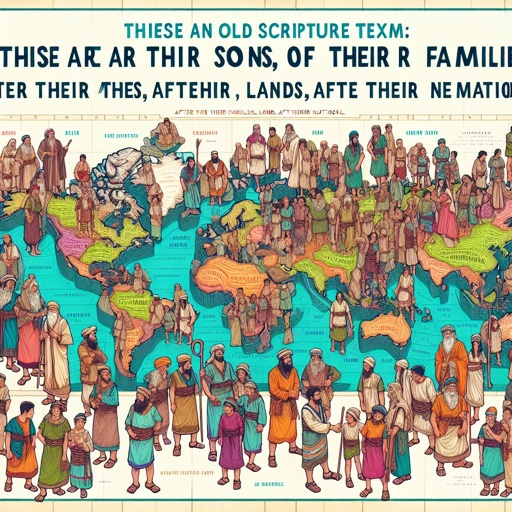
Genesis 10:31 - "These are the sons of Shem, after their families, after their tongues, in their lands, after their nations."
"These are the sons of Shem, after their families, after their tongues, in their lands, after their nations." - Genesis 10:31

Genesis 31:10 - "And it came to pass at the time that the cattle conceived, that I lifted up mine eyes, and saw in a dream, and, behold, the rams which leaped upon the cattle were ringstraked, speckled, and grisled."

Genesis 21-31

Genesis 18-31

Genesis 31:35

Genesis 19-31

Genesis 24-31

Mark 10:31

Genesis 31:22 - "And it was told Laban on the third day that Jacob was fled."

Genesis 31:45 - "And Jacob took a stone, and set it up for a pillar."

Genesis 31:47 - "And Laban called it Jegarsahadutha: but Jacob called it Galeed."

Genesis 31:31 - "And Jacob answered and said to Laban, Because I was afraid: for I said, Peradventure thou wouldest take by force thy daughters from me."

Genesis 34:31 - "And they said, Should he deal with our sister as with an harlot?"

Genesis 25:31 - "And Jacob said, Sell me this day thy birthright."

Genesis 31:2 - "And Jacob beheld the countenance of Laban, and, behold, it was not toward him as before."

Genesis 37:31 - "And they took Joseph's coat, and killed a kid of the goats, and dipped the coat in the blood;"

Genesis 31:4 - "And Jacob sent and called Rachel and Leah to the field unto his flock,"

Genesis 42:31 - "And we said unto him, We are true men; we are no spies:"

Hebrews 10:31 - "It is a fearful thing to fall into the hands of the living God."

Genesis 41:31 - "And the plenty shall not be known in the land by reason of that famine following; for it shall be very grievous."

Genesis 21:31 - "Wherefore he called that place Beer-sheba; because there they sware both of them."

Mark 10:31 - "But many that are first shall be last; and the last first."

Genesis 31:17 - "¶ Then Jacob rose up, and set his sons and his wives upon camels;"

Genesis 31:6 - "And ye know that with all my power I have served your father."

John 10:31 - "Then the Jews took up stones again to stone him."

Genesis 31:9 - "Thus God hath taken away the cattle of your father, and given them to me."

Isaiah 10:31 - "Madmenah is removed; the inhabitants of Gebim gather themselves to flee."

Ezra 10:31 - "And of the sons of Harim; Eliezer, Ishijah, Malchiah, Shemaiah, Shimeon,"

Genesis 5:31 - "And all the days of Lamech were seven hundred seventy and seven years: and he died."