What does Genesis 11:22 mean?
“And Serug lived thirty years, and begat Nahor:” — Genesis 11:22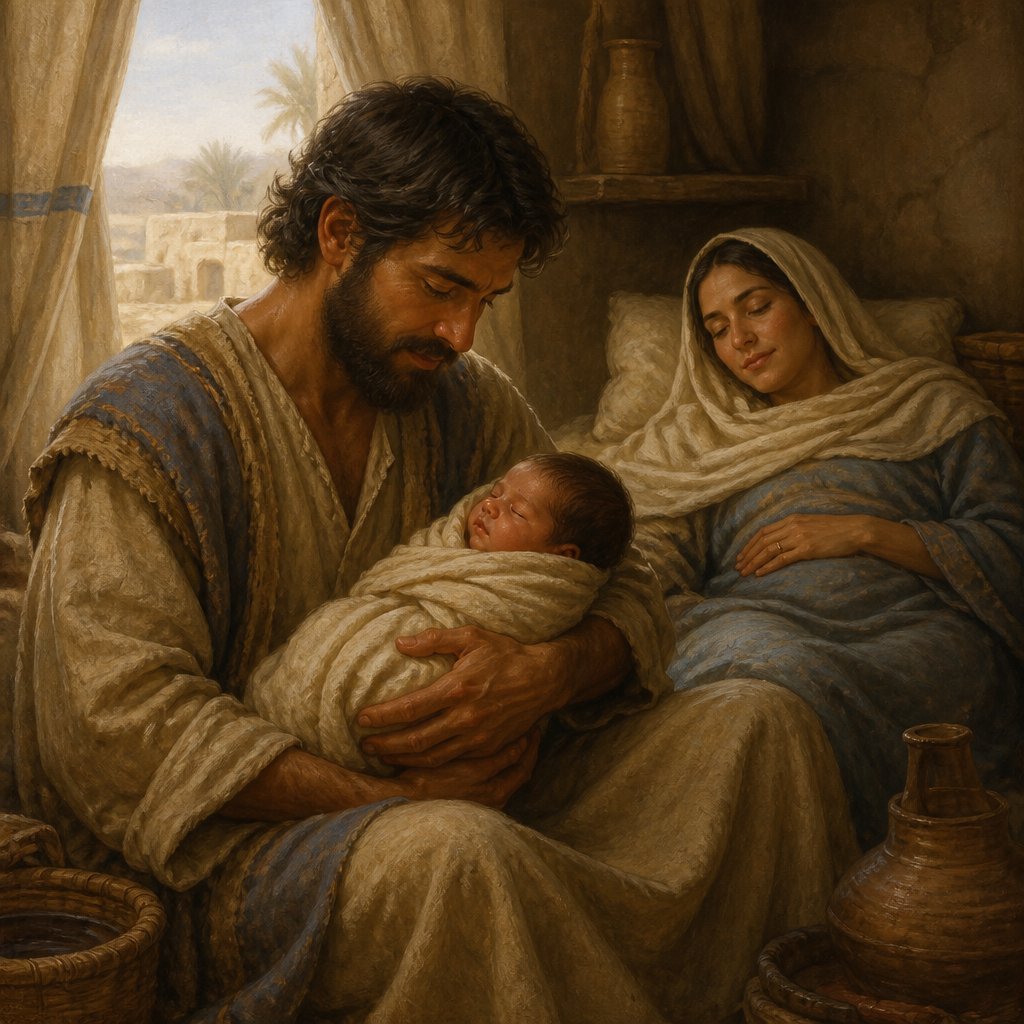
Genesis 11:22 (KJV) states, "And Serug lived thirty years, and begat Nahor." At first glance, this verse may seem quite straightforward, simply stating a fact about Serug's life and family lineage. However, upon closer examination and with an understanding of the greater context of the book of Genesis, this verse takes on greater significance.
Genesis is the first book of the Bible and is often referred to as the book of beginnings. It tells the story of the creation of the world, the fall of man, and the beginnings of the nation of Israel. In this context, the verse about Serug's life and the birth of his son Nahor serves as a small piece in the larger narrative of God's plan for humanity.
The genealogy presented in Genesis 11 is a part of the broader narrative of the book, tracing the lineage of the patriarchs from Adam to Abraham. This genealogy is not merely a list of names and ages but serves as a key part of the narrative, as it highlights the continuation of God's covenantal promises to the descendants of Adam and Eve.
In this verse, we see the continuation of the lineage of the patriarchs, a line that ultimately leads to the birth of Abraham, who plays a crucial role in God's plan for redemption and salvation. Each new generation in this genealogy is a small step towards the fulfillment of God's promises, leading ultimately to the birth of Jesus Christ.
Furthermore, this verse also highlights the theme of generational faithfulness and continuity. The fact that Serug lived long enough to have a son suggests that he was a part of this larger plan and that his own faithfulness contributed to the ongoing fulfillment of God's promises. In the Bible, the concept of generational faithfulness is central to the covenant between God and His people, as seen in verses such as Exodus 20:6, which states, "but showing love to a thousand generations of those who love me and keep my commandments."
The birth of Nahor is significant because it marks the continuation of God's plan through the line of descent from Adam to the patriarchs and, ultimately, to Jesus Christ. The lives of these individuals are not merely a record of events but are part of a larger narrative of redemption and salvation.
Additionally, this verse can be seen as a symbol of hope and continuity. In the midst of the brokenness and sin that characterizes much of the early narratives in Genesis, the birth of a new generation serves as a symbol of hope and a reminder that God's plan for redemption is ongoing. It shows that despite the challenges and struggles of the present, God is still at work, moving history towards its ultimate fulfillment.
In conclusion, Genesis 11:22 is not just a simple statement of a birth but is part of the larger narrative of God's redemptive plan for humanity. It serves as a reminder that every generation plays a part in the ongoing fulfillment of God's promises and that He is continually working towards His ultimate goal of salvation. This verse emphasizes the themes of generational faithfulness, hope, and the continuity of God's plan, all of which are central to the broader narrative of the Bible and God's relationship with His people.
Get our apps


Artwork for Genesis 11:22

Genesis 11:22 - "And Serug lived thirty years, and begat Nahor:"
"And Serug lived thirty years, and begat Nahor:" - Genesis 11:22

Genesis 22:11

Genesis 22:11-12.

Genesis 22:11-12

Genesis 22:11-12

Genesis 22:11 - "And the angel of the LORD called unto him out of heaven, and said, Abraham, Abraham: and he said, Here am I."

Genesis 22-22

Genesis 22:22 - "And Chesed, and Hazo, and Pildash, and Jidlaph, and Bethuel."

Genesis 22

James 2:2-4

Genesis 22 14

Genesis 21:22

Genesis 18-22

Genesis 22-9

Genesis 22-8

Genesis 22:15

Genesis 22-12

Genesis 28-22

Genesis 22-10

Genesis 22-16

Genesis 22-23

Genesis 22-21

Genesis 22-7

Genesis 22-4

Genesis 17-22

Genesis 19-22

Genesis 22-14

Genesis 22-17

Genesis 22:1